NASA's Artemis II mission is poised to make history as the first crewed lunar flight since 1972. The crew, consisting of Commander Reid Wiseman, Pilot Victor Glover, Mission Specialist Christina Koch, and Canadian Space Agency astronaut Jeremy Hansen, arrived at Kennedy Space Center in Florida, signaling the final preparations for their 10-day journey around the Moon. This mission is a significant milestone in NASA's Artemis program, which aims to establish a sustainable human presence on the Moon and lay the groundwork for future missions to Mars. The Artemis II mission will utilize NASA's Space Launch System (SLS) rocket and the Orion spacecraft, both designed to support deep space exploration. The SLS, one of the most powerful rockets ever built, will propel the Orion spacecraft on its trajectory around the Moon. This mission will test critical systems, including life-support and navigation, providing valuable data for future lunar landings. The crew will also conduct scientific experiments to study the effects of deep space travel on the human body, a crucial step in ensuring the safety of astronauts on longer missions. The Artemis II crew's arrival at Kennedy Space Center marks the culmination of years of planning and development. The mission has faced several challenges, including technical issues and delays, but NASA has remained committed to its goal of returning humans to the Moon. The crew is currently in a strict quarantine protocol to ensure they are healthy and free from any illnesses that could jeopardize the mission. This precautionary measure underscores the importance of crew health in the success of the mission. The launch is scheduled for April 1, 2026, with a backup window extending through early April. However, previous technical issues, such as fuel leaks, have introduced potential delays, possibly pushing the mission to May or June. Despite these challenges, the Artemis II mission represents a significant step forward in human space exploration. It not only aims to return humans to the Moon but also to establish a sustainable presence, paving the way for future missions to Mars. The Artemis II mission is not just a technical endeavor; it is a symbol of international collaboration and human resilience. The diverse crew composition, including the first woman and the first Black man to travel to the Moon, reflects NASA's commitment to inclusivity and representation in space exploration. Their journey will inspire future generations to pursue careers in science, technology, engineering, and mathematics (STEM), and to dream beyond the stars. As the launch date approaches, the world watches with anticipation. The Artemis II mission is more than just a return to the Moon; it is a testament to human ingenuity, determination, and the unyielding desire to explore the unknown. The success of this mission will not only honor the legacy of the Apollo program but also set the stage for a new era of space exploration, one that is sustainable, inclusive, and focused on the long-term goal of reaching Mars.
 🔬 science
NASA's Artemis II Crew Prepares for Historic Moon Mission
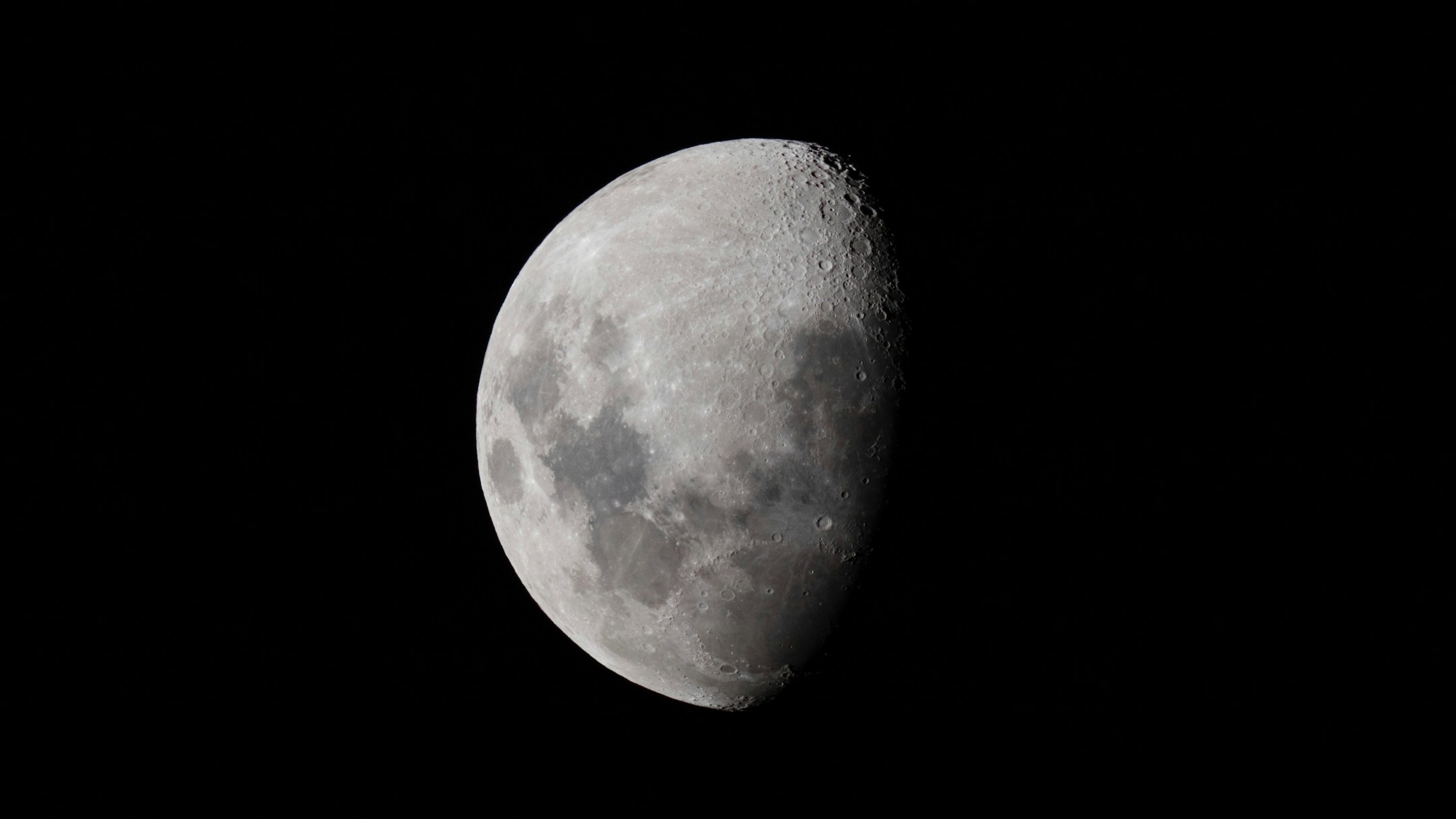
NASA's Artemis II crew has arrived at Kennedy Space Center, gearing up for a historic 10-day mission around the Moon. The launch is scheduled for April 1, 2026, marking the first crewed lunar flight in over five decades.
My Take
NASA's Artemis II mission is a monumental step in human space exploration, but it's also a test of our collective will and resilience. The challenges faced—from technical glitches to the global pandemic—have only highlighted the importance of perseverance and adaptability. This mission isn't just about returning to the Moon; it's about proving that humanity can overcome obstacles and reach for the stars, together. The diverse crew composition sends a powerful message about inclusivity and representation, showing that space is a frontier for all. As we watch the launch, let's remember that this isn't just a triumph for NASA; it's a triumph for all of us, a testament to what we can achieve when we dare to dream big and work together. The Artemis II mission also serves as a reminder of the importance of investing in science and technology. The innovations developed for this mission have far-reaching implications, not just for space exploration but for life on Earth. From advancements in materials science to new medical technologies, the spin-offs from this mission will benefit humanity in countless ways. As we celebrate this achievement, let's also commit to supporting and funding the next generation of scientists, engineers, and explorers who will continue to push the boundaries of what is possible. The journey to the Moon is just the beginning; the possibilities are limitless, and the future is ours to shape.
What Happens Next
As the Artemis II mission approaches its launch date, the crew will undergo final preparations, including a series of training exercises and system checks to ensure mission readiness. The launch is scheduled for April 1, 2026, with a backup window extending through early April. However, previous technical issues, such as fuel leaks, have introduced potential delays, possibly pushing the mission to May or June. Despite these challenges, NASA remains committed to the mission's success and is working diligently to address any issues that arise. The crew is expected to enter a strict quarantine protocol shortly before launch to ensure they are healthy and free from any illnesses that could jeopardize the mission. This precautionary measure underscores the importance of crew health in the success of the mission. Once launched, the Artemis II mission will test critical systems, including life-support and navigation, providing valuable data for future lunar landings. The crew will also conduct scientific experiments to study the effects of deep space travel on the human body, a crucial step in ensuring the safety of astronauts on longer missions. The mission is expected to last 10 days, culminating in a splashdown in the Pacific Ocean. The success of this mission will not only honor the legacy of the Apollo program but also set the stage for a new era of space exploration, one that is sustainable, inclusive, and focused on the long-term goal of reaching Mars.