Artificial intelligence (AI) systems, particularly deep neural networks, are often described as 'black boxes' due to their complex and opaque decision-making processes. This lack of transparency poses significant challenges, especially in high-stakes applications like healthcare and criminal justice, where understanding the rationale behind AI-driven decisions is paramount. The inability to interpret AI's internal workings can erode trust and hinder the adoption of these technologies in critical sectors. (nature.com) To address this issue, researchers are turning to human cognition as a model for developing more interpretable AI systems. By studying how humans process information and make decisions, scientists aim to design AI models that mimic these transparent processes. This approach seeks to create AI systems whose decision-making pathways are as understandable as human reasoning, thereby enhancing trust and reliability. (nature.com) However, this endeavor is not without its challenges. Human cognition itself remains a 'black box' to some extent, with many aspects of thought and decision-making still not fully understood. Replicating this complexity in AI systems requires a deep understanding of neuroscience and psychology, fields that are continually evolving. Moreover, there is an ongoing debate about whether AI should aim to replicate human-like reasoning or develop its own forms of interpretability. (nature.com) The stakes are high. In sectors like healthcare, AI systems are increasingly used to assist in diagnostics and treatment planning. If these systems cannot provide clear explanations for their recommendations, it becomes difficult for medical professionals to trust and effectively integrate them into patient care. Similarly, in criminal justice, AI tools used for risk assessments must be transparent to ensure fairness and accountability. (nature.com) In response, the scientific community is actively exploring methods to 'unbox' AI. Techniques such as explainable AI (XAI) are being developed to shed light on AI decision-making processes. These efforts aim to create AI systems that not only perform tasks efficiently but also provide clear, understandable justifications for their outputs, aligning with human cognitive processes and enhancing user trust. (nature.com)
 💻 technology
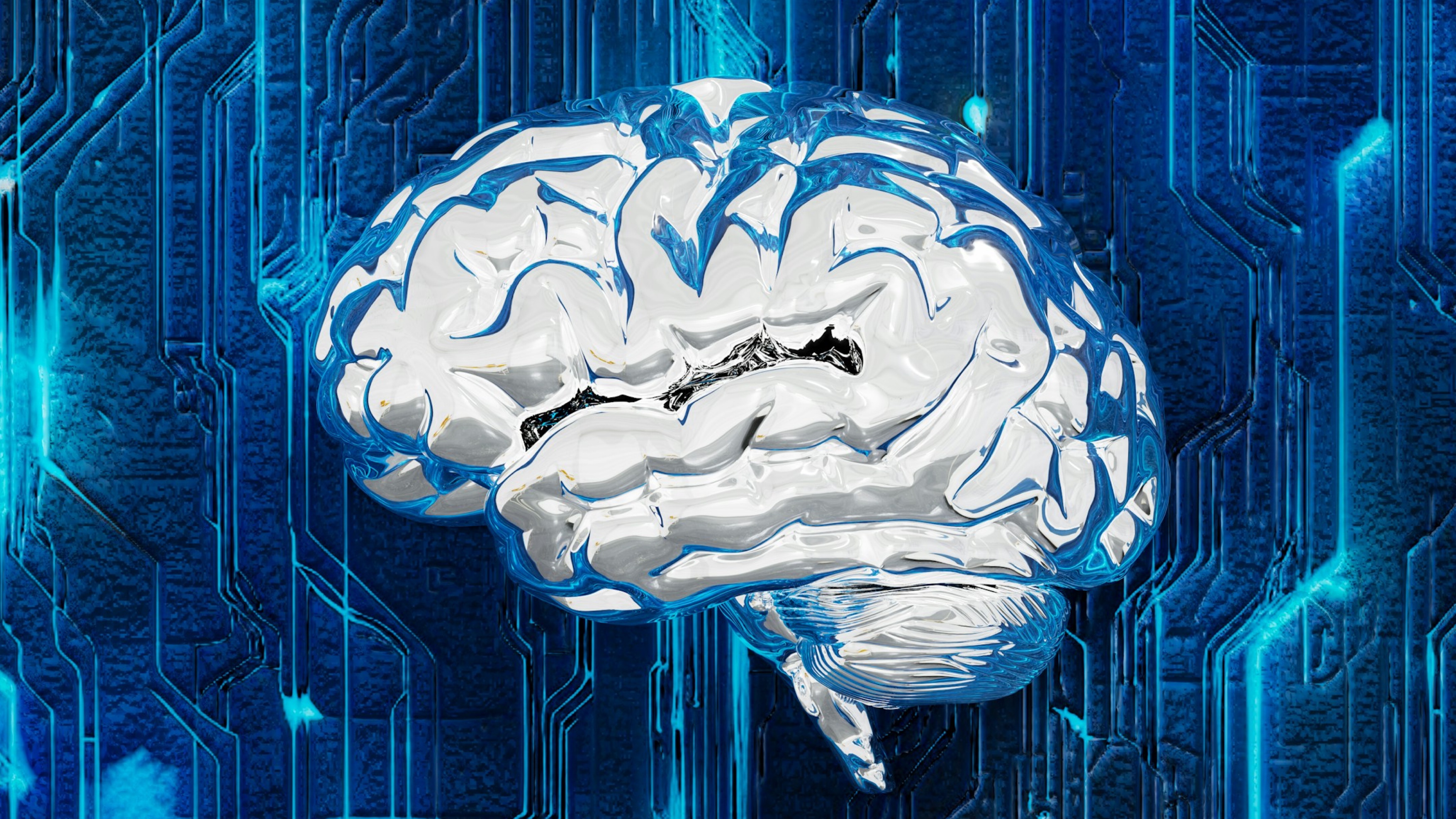
AI's Black Box: Human Minds Hold the Key
Artificial intelligence's opaque decision-making processes are under scrutiny. Experts argue that understanding human cognition is crucial to demystify AI's 'black box' nature.
My Take
The push to make AI systems more interpretable by emulating human cognition is both ambitious and necessary. While it's true that human minds are not entirely transparent, striving to make AI's decision-making processes as understandable as possible is a step in the right direction. This approach could bridge the trust gap between humans and machines, fostering more widespread acceptance of AI technologies in critical areas. However, it's crucial to recognize that replicating human cognition in AI is not a panacea. It may lead to systems that are more understandable but not necessarily more accurate or fair. Therefore, while transparency is important, it should not come at the expense of the AI's performance and ethical considerations. The challenge lies in balancing interpretability with efficacy, ensuring that AI systems are both understandable and reliable. This balance is essential for the responsible integration of AI into society, particularly in sectors where decisions have significant human consequences.
What Happens Next
As AI continues to permeate critical sectors, the demand for transparent and interpretable systems will intensify. This will likely spur further research into explainable AI, leading to the development of models that not only perform tasks efficiently but also provide clear, understandable justifications for their outputs. Such advancements could pave the way for AI systems that are more aligned with human cognitive processes, enhancing trust and facilitating broader adoption. However, this progress will require interdisciplinary collaboration, drawing from fields like neuroscience, psychology, and computer science, to create AI systems that are both effective and comprehensible.