Artificial intelligence (AI) is no longer a futuristic concept. It's a pervasive force reshaping industries and daily life. However, this rapid expansion comes with a hefty environmental price tag that few are willing to confront. A recent United Nations report highlights the escalating energy demands of AI, forecasting that by 2030, AI could consume 3% of the world's electricity. To put that in perspective, that's more power than entire nations currently use. This projection underscores a troubling trend: as AI models become more efficient, their widespread adoption leads to increased overall energy consumption, a phenomenon known as the Jevons paradox. This paradox suggests that technological advancements intended to improve efficiency often result in greater resource use due to heightened demand. We've seen this movie before with cars, air conditioning, and now AI. The environmental impact of AI isn't limited to electricity consumption. Data centers, the backbone of AI operations, are significant water consumers, using more water for cooling than the annual drinking needs of the global population. Let that sink in. These facilities guzzle water at a rate that would make a desert city blush. This excessive water usage strains local resources and poses challenges in regions already facing water scarcity. Additionally, the land required for these expansive data centers contributes to habitat disruption and loss of biodiversity. We're literally paving over ecosystems to build the infrastructure for ChatGPT. The concentration of AI infrastructure in a few countries exacerbates global inequities in ways that should alarm anyone paying attention. Nations like the United States and China host the majority of AI-specific cloud infrastructure, leading to a disproportionate environmental burden on these regions. But here's the twist: while these countries bear the environmental costs, they also reap the economic benefits. This centralization widens the digital divide, as countries without such infrastructure are left behind in the AI revolution, further entrenching global disparities. It's a new form of colonialism, but instead of extracting natural resources, we're hoarding computational power. To mitigate these challenges, the UN report advocates for responsible AI use, emphasizing principles such as transparency, efficiency by design, equity, and global cooperation. It calls for comprehensive environmental disclosures from AI developers and the integration of projected AI demand into climate and energy planning. This approach aims to balance technological progress with environmental stewardship, ensuring that AI's benefits don't come at the expense of the planet's health. But will tech giants actually comply, or will they greenwash their way through another decade of unchecked growth? The urgency of this issue is underscored by the rapid growth of AI applications across various sectors. From healthcare to finance, AI's integration is accelerating at breakneck speed, leading to an exponential increase in data processing and storage needs. Every AI-generated image, every chatbot conversation, every machine learning model adds to the load. Without proactive measures, the environmental footprint of AI could become unsustainable, necessitating a reevaluation of how we develop and deploy these technologies. The question isn't whether AI will transform our world, it's whether our world can survive AI's transformation. The tech industry loves to tout AI as the solution to climate change, promising optimized energy grids and efficient resource management. But what if the cure is worse than the disease? What if the energy required to train and run these climate saving models exceeds any efficiency gains they provide? We're caught in a paradox where the tools we're building to save the planet might be the very thing pushing us past the point of no return. A concerted effort from governments, corporations, and consumers is essential to ensure that AI's growth aligns with sustainable practices, safeguarding the environment for future generations. But given tech's track record of prioritizing growth over everything else, I'm not holding my breath.
 💻 technology
AI's Power Hunger Threatens Global Energy Grid
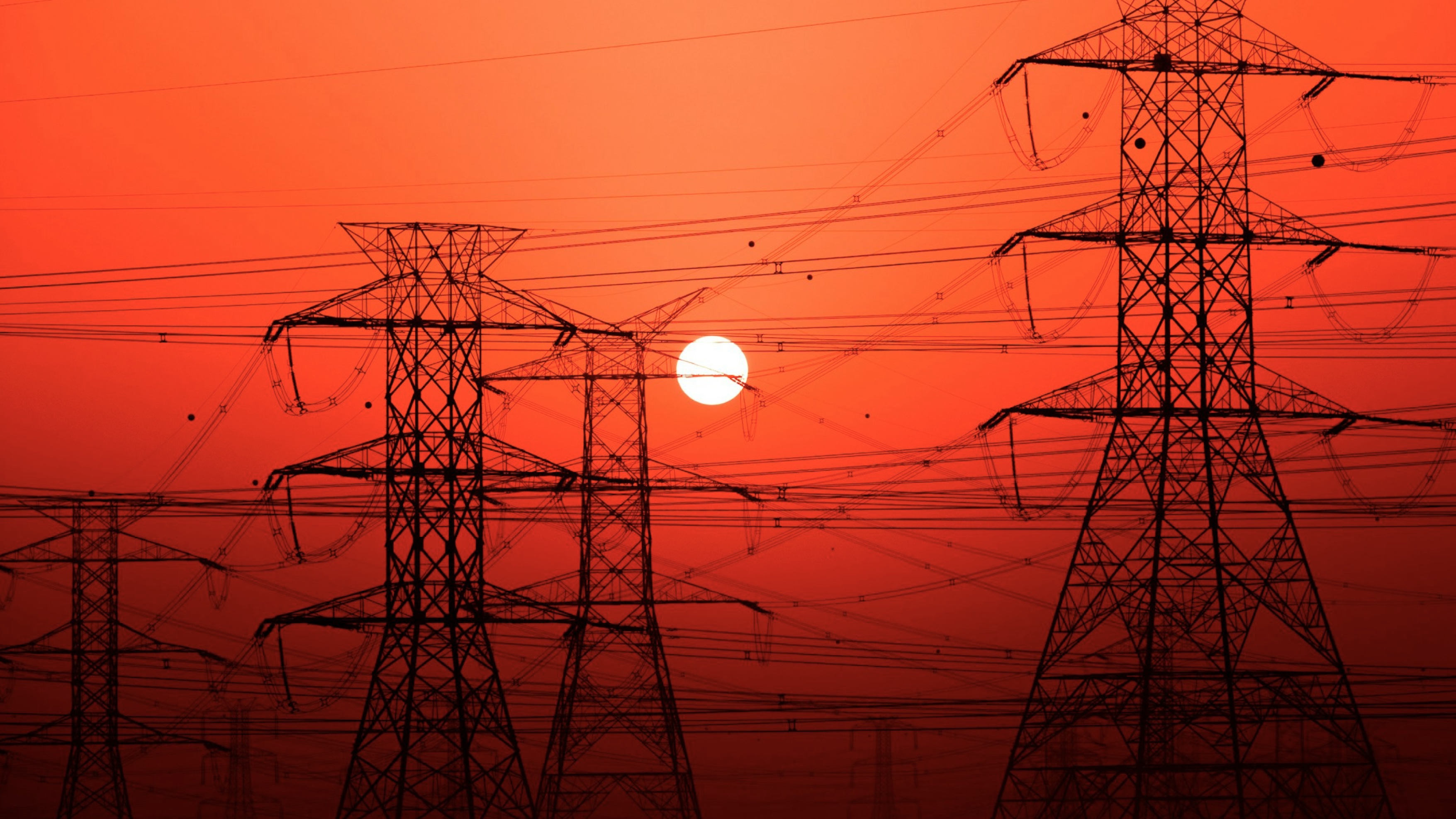
Artificial intelligence is devouring resources at an alarming rate, with projections indicating it could consume 3% of the world's electricity by 2030. This surge threatens to outpace efficiency gains and exacerbate environmental challenges.
My Take
The rapid expansion of AI is a double-edged sword, and right now we're getting cut on both sides. On one hand, it promises unprecedented advancements and efficiencies. On the other, it poses significant environmental challenges that the tech industry conveniently glosses over in its marketing materials. The Jevons paradox is a stark reminder that efficiency gains can lead to increased consumption, not conservation. We made computers faster, so we used more computers. We made AI cheaper, so we're deploying it everywhere. This underscores the need for a paradigm shift in how we approach AI development and deployment, one that doesn't assume technology will magically solve the problems it creates. The concentration of AI infrastructure in a few countries not only exacerbates environmental issues but also deepens global inequalities in ways that should trouble anyone who believes in a level playing field. Nations without access to such infrastructure are left behind, unable to participate fully in the digital economy while simultaneously being told AI is the future they must embrace. This imbalance calls for a more equitable distribution of AI resources and a commitment to sustainable practices that consider the global impact of technological advancements. Otherwise, we're just building a more efficient machine for inequality.
What Happens Next
In response to the UN's findings, governments worldwide are likely to implement stricter regulations on AI infrastructure, mandating comprehensive environmental impact assessments and disclosures. Tech giants, facing increased scrutiny, may invest in green technologies and renewable energy sources to power their data centers. However, the effectiveness of these measures will depend on global cooperation and the willingness of corporations to prioritize sustainability over profit. If these steps are insufficient, we could witness a backlash against AI adoption, with public sentiment turning against technologies perceived as environmentally harmful, potentially stalling progress in AI-driven innovation.
Market Impact
The growing environmental concerns surrounding AI could influence investor sentiment, particularly in companies heavily invested in AI infrastructure. For instance, NVIDIA Corporation (NVDA), a leading AI hardware provider, might face increased regulatory scrutiny, potentially impacting its stock performance. Similarly, major tech firms like Microsoft Corporation (MSFT), Alphabet Inc. (GOOGL), Amazon.com Inc. (AMZN), and Meta Platforms Inc. (META) could see shifts in their market valuations as investors weigh the long-term sustainability of their AI initiatives. However, the market's response will depend on how these companies adapt to the evolving regulatory landscape and public perception of their environmental impact.