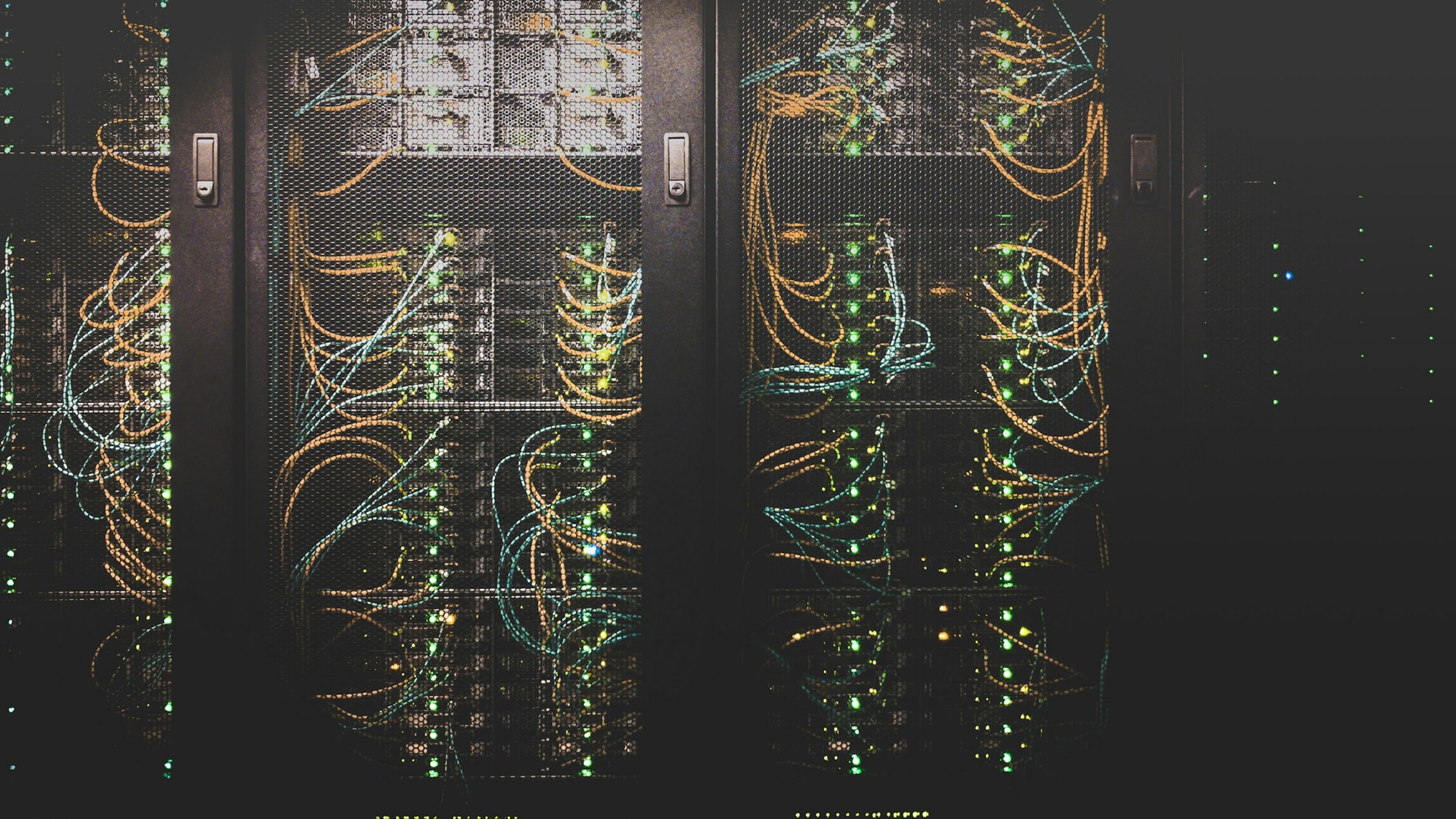
Anthropic, the AI (artificial intelligence) startup behind Claude, announced Tuesday it has secured exclusive access to SpaceX's entire Colossus 1 data center, one of the largest GPU (graphics processing unit) clusters on the planet. The deal hands Anthropic massive computational firepower at a moment when AI companies are locked in an arms race for processing capacity. The immediate payoff: Claude Code users across Pro, Max, Team, and Enterprise tiers will see their five hour rate limits double starting this week, with Pro and Max subscribers no longer hitting peak hours slowdowns that previously choked usage during business hours. Colossus 1, part of SpaceX's expansion into AI infrastructure, represents tens of thousands of NVIDIA H100 GPUs networked together in a purpose built facility. While SpaceX originally pitched the center as supporting its own projects like Starship navigation and Starlink optimization, the company appears to be pivoting toward leasing capacity to outside players. Anthropic's willingness to take the entire allocation suggests the startup is preparing for a significant scaling push, likely tied to training next generation Claude models that demand far more compute than current versions. The rate limit increases land at a strategic moment. Claude Code, Anthropic's specialized coding assistant, competes directly with GitHub Copilot, Amazon CodeWhisperer, and OpenAI's GPT 4 for developer mindshare. Doubling throughput makes Claude Code viable for larger engineering teams that previously hit usage ceilings mid sprint. Removing peak hours throttling eliminates a friction point that sent developers to competitors during crunch time. These changes position Claude Code as infrastructure grade tooling rather than a supplemental assistant. Beyond the immediate capacity boost, Anthropic executives have reportedly expressed interest in SpaceX's longer term vision: orbital data centers. SpaceX has floated plans to launch compute clusters into low Earth orbit, leveraging the near zero cooling costs of space and direct access to Starlink's satellite internet backbone. Such facilities could run AI inference workloads with lower latency for global users while bypassing terrestrial energy constraints. Anthropic's interest signals the company sees space based compute as more than science fiction, potentially giving it an edge in deploying AI services to underserved regions or handling compute intensive tasks without earthbound infrastructure limits. The financial terms of the Colossus 1 deal remain undisclosed, but GPU capacity has become the scarcest resource in AI development. NVIDIA's H100 chips command premium pricing, and cloud providers regularly sell out reserved capacity months in advance. By locking down an entire data center, Anthropic secures predictable access while competitors scramble for scraps across AWS (Amazon Web Services), GCP (Google Cloud Platform), and Azure. This move mirrors OpenAI's $51 million Supercomputing deal with Microsoft in 2024 and Google's custom TPU (Tensor Processing Unit) investments for Gemini training. The message is clear: whoever controls the compute controls the future of AI.
 💻 technology
Anthropic Grabs Entire SpaceX Supercomputer For AI Blitz
Anthropic just locked down every last processor in SpaceX's Colossus 1 data center, and the first thing they're doing is doubling rate limits for Claude Code users. Peak hour throttling vanishes for paying customers starting this week, while Anthropic eyes even wilder plans: AI models running in orbit.
My Take
This deal exposes the dirty secret of the AI boom: nobody has enough chips. Anthropic isn't grabbing SpaceX's entire data center because they're flush with cash and feeling generous. They're doing it because the alternative is watching OpenAI and Google train bigger models faster while Claude falls behind. The rate limit increases are nice PR, but the real story is desperation dressed up as ambition. Every major AI lab is one supply shock away from hitting a wall, and Anthropic just bought itself insurance. The orbital data center angle sounds like Elon Musk fever dream material, but don't dismiss it. SpaceX has the launch capacity to make space based compute economically viable, and the physics genuinely work: vacuum cooling, solar power, no land costs, direct line to Starlink's global network. If Anthropic is seriously exploring this, it suggests they see a future where AI workloads are too energy intensive or latency sensitive for traditional data centers. That's either visionary or insane, and with this crowd, it's usually both. The real winners here are developers who've been hammering Claude Code and hitting rate limits during crunch time. Doubling throughput and killing peak hours throttling transforms the tool from a nice to have into something you can build a workflow around. But the bigger question is what Anthropic plans to train with all that compute. If they're burning this much money on infrastructure, they'd better be cooking up something that makes GPT 5 look quaint.
What Happens Next
Within six months, Anthropic will announce a new flagship model trained on Colossus 1, likely branded Claude 4 or something equally uninspired, and the performance jump will be dramatic enough to force OpenAI into an early GPT 5 release. The compute advantage gives Anthropic runway to experiment with multimodal capabilities that current Claude versions lack: real time video understanding, massive context windows that don't choke on entire codebases, maybe even live debugging that watches you code and suggests fixes before you compile. SpaceX's orbital data center plans will leak more details by fall 2026, probably through an offhand Musk tweet that sends aerospace and cloud stocks into chaos. If the economics work, expect Amazon and Google to announce competing space based compute initiatives within a year, turning low Earth orbit into the next frontier for data center land grabs. Starlink's latency advantage could make orbital inference viable for real time applications like autonomous vehicles or live translation, forcing traditional cloud providers to either launch their own satellites or accept they've lost the speed war. The wildcard nobody's pricing in: what happens if Anthropic's compute binge doesn't yield a model that justifies the expense? Investors have poured billions into AI startups on the assumption that more compute equals better models, but we're approaching the point where that scaling law might break. If Claude 4 lands with a thud, the entire industry will face a reckoning about whether throwing chips at the problem is a sustainable strategy or just expensive theater. That's when the real consolidation begins, and half these startups discover they've been buying lottery tickets with venture capital.
What History Tells Us
The AI compute wars echo the early 2000s semiconductor manufacturing race, when Intel, AMD, and IBM spent billions building fabrication plants to achieve nanometer scale transistor advantages. Companies that secured chip supply thrived; those that didn't, like Sun Microsystems, withered. By 2026, GPU access has replaced fab capacity as the chokepoint, with similar winner take all dynamics. Anthropic's data center lockdown mirrors Amazon's 2006 bet on building AWS infrastructure before demand materialized, a move that seemed reckless until it made Amazon the cloud computing kingmaker. The space based computing angle recalls the 1990s satellite internet gold rush, when companies like Teledesic and Iridium burned billions on orbital networks that failed due to cost and latency issues. Modern technology might solve those problems, but history suggests extreme skepticism toward any plan involving "just launch it into space."
Market Impact
NVIDIA remains the clearest beneficiary, with shares currently trading around $892, up 34% year to date as AI companies fight over H100 supply. Anthropic's Colossus 1 deal confirms sustained demand for high end GPUs, supporting NVIDIA's premium pricing and validating analyst targets in the $950 to $1000 range. Short term bullish momentum should continue through Q2 earnings. SpaceX remains private, but this deal strengthens its position ahead of a rumored 2027 IPO. Investors in funds holding SpaceX equity (like ARK Venture Fund or Fidelity's private tech positions) gain exposure to a new revenue stream beyond launch services. If orbital data centers prove viable, SpaceX could capture enterprise cloud spending currently dominated by AWS, Azure, and GCP, potentially justifying valuations north of $200 billion at IPO. Broadcom and Marvell, both suppliers of custom networking chips for AI data centers, see indirect upside as Colossus 1 scale deployments require massive interconnect infrastructure. Broadcom, trading near $1,245, has already rallied 28% this year on AI networking demand. Any confirmation that SpaceX is expanding Colossus or building orbital facilities could push AVGO toward $1,400 by year end. Watch for cloud infrastructure ETFs like SKYY or CLOU to benefit if space based compute gains traction, though current exposure remains speculative.