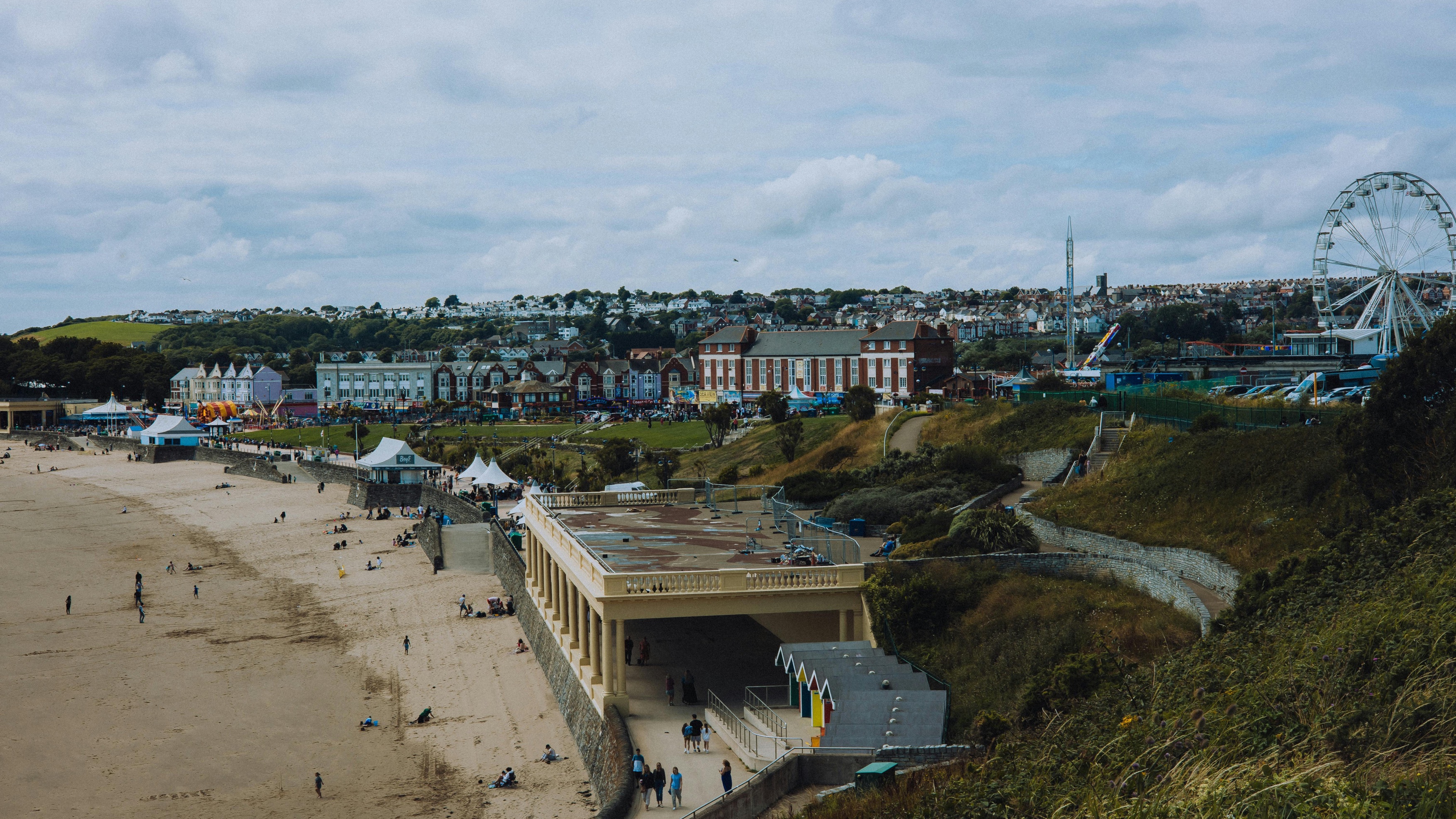
Barry Island was supposed to get a shiny new Morio Lounge, one of those trendy cafe-bar chains that dot British high streets with their Instagram-friendly interiors and bottomless brunches. The venue was set to occupy a prime spot on The Parade, right in the heart of Barry's seafront regeneration zone. Initial buzz suggested a 2024 opening, and now the entire project sits in limbo with no concrete timeline. The Loungers Group, which owns the Morio brand (their coastal-themed spinoff from the main Lounge concept), has gone notably quiet on the Barry Island project. The company has been undergoing significant changes, having been taken private in a £338 million deal that completed in March 2024 by Epiris, a private equity firm. This delisting from the London Stock Exchange came as the company operated around 230 sites across its three brands. The timing of the Barry Island delay coincides with this major corporate restructuring, which likely shifted priorities and capital allocation decisions. Barry Island has been riding a wave of renewed interest, partly thanks to the Gavin and Stacey effect keeping the town in the national consciousness. The seafront has seen investment in recent years, with the Goodsheds food and craft market opening and various independent businesses taking root. A Morio Lounge was meant to be another anchor tenant, the kind of recognizable brand that signals a place is on the up. Instead, it's become a case study in how regeneration promises can stall out. Vale of Glamorgan Council has been pushing its Barry Island Masterplan, an ambitious vision to transform the waterfront into a year-round destination rather than a summer-only nostalgia trip. The council's planning documents outline various proposals for The Parade area, though specific details about the Morio site remain murky in public records. What's clear is that the council wants development, businesses want to capitalize on Barry's moment, but something in the execution keeps breaking down. Local reaction has shifted from excitement to exasperation. Residents keep asking the same questions: When is it actually opening? Is it cancelled? Why won't anyone give a straight answer? Some longtime locals are skeptical it'll ever materialize, pointing to other failed regeneration schemes over the decades. The younger demographic who'd most likely pack a Morio Lounge on weekends are tired of hearing coming soon with no substance behind it. The hospitality sector nationally has been brutal in recent years. Rising costs, staff shortages, supply chain chaos, and uncertain consumer spending have made expansion risky. Loungers Group's shift to private ownership suggests its backers want to restructure and consolidate before aggressive expansion. But transparency would go a long way. If the project is genuinely stalled by factors beyond anyone's control, say so. If it's been quietly shelved, admit it. The current strategy of saying nothing just breeds cynicism in a community that's been sold on the promise of better things coming.
 📈 business
Barry Island's Morio Lounge Stuck in Limbo Since 2023
The promised Morio Lounge on Barry Island has become a symbol of coastal regeneration gone wrong. Three years after initial announcements, the venue remains unbuilt with no opening date in sight. Local frustration is mounting as the company behind it stays silent.
My Take
This is what happens when regeneration becomes a buzzword divorced from reality. Barry Island doesn't need vague promises from chain operators, it needs businesses that actually commit and deliver. The Morio Lounge saga is embarrassing for everyone involved. Loungers Group looks flaky, the council looks ineffective, and Barry residents are left wondering if anyone actually cares about following through. Here's the hard truth: if a company can't execute on a single venue in a town desperate for investment, they shouldn't be making announcements in the first place. The damage isn't just a missing cafe-bar, it's the erosion of trust. Next time someone promises Barry a new amenity, residents will roll their eyes instead of getting excited. That cynicism is toxic for genuine regeneration efforts down the line. Barry has real potential, but it needs partners who treat it as more than a box-ticking exercise in coastal expansion. The town deserves better than indefinite delays and corporate silence. Either open the damn Lounge or formally kill the project and let someone else take the space.
What Happens Next
The most likely scenario is quiet cancellation disguised as ongoing delay. Loungers Group will keep the Barry Island project in a permanent state of "under review" without formally pulling the plug, avoiding bad PR from an outright withdrawal. Meanwhile, they'll focus resources on openings in less risky markets with better footfall guarantees. The space on The Parade will sit empty through another summer season. What could break the stalemate? A local entrepreneur or independent operator swooping in to take over the site, proving that Barry can support a quality hospitality venue without waiting for a national chain to get its act together. That would be the best outcome, turning this corporate failure into a homegrown success story. Alternatively, Vale of Glamorgan Council could apply real pressure, either through planning conditions or by courting alternative tenants, forcing Loungers Group to commit or step aside. The wildcard is whether this becomes a political flashpoint. If opposition councillors or local media really dig into what's causing the delays, it could expose deeper problems in Barry's regeneration pipeline. Are planning processes too slow? Are developers getting cold feet because the economics don't work? Is the council overpromising and underdelivering? Those questions matter more than one missing lounge bar, and they could reshape how Vale of Glamorgan approaches coastal development for years.
What History Tells Us
Barry's story is a microcosm of post-industrial British coastal decline and the challenges of reversing it. The town boomed in the late 19th and early 20th centuries as a coal-exporting port, with Barry Docks once shipping more coal than any other port in the world. When the coal industry collapsed, Barry's economy followed. By the 1980s and 1990s, the town had the reputation as a faded seaside resort, its island attractions looking shabby and forgotten. Regeneration attempts have come and gone for decades. The 2000s saw various schemes to revitalize the waterfront, most delivering modest results at best. What changed in recent years was the Gavin and Stacey effect, the BBC sitcom that put Barry back in the national conversation and drew tourists to its filming locations. That cultural moment created an opportunity for genuine reinvestment, but only if followed through with actual development. The Morio Lounge delay echoes countless other British regeneration projects where announcements and plans vastly outnumber completed builds.
Market Impact
Loungers Group was taken private in a £338 million deal by Epiris that completed in March 2024, delisting from the London Stock Exchange. This means there's no direct stock play on the company anymore. However, the broader UK hospitality sector faces ongoing headwinds that the Barry situation exemplifies. Restaurant Group (RTN.L), trading around 95p, and Mitchells and Butlers (MAB.L) at roughly 290p both operate in similar casual dining and pub-restaurant markets. These stocks remain under pressure from cost inflation and cautious consumer spending. The Barry Island delay, while small in isolation, fits a pattern of hospitality companies becoming more conservative with capital deployment following private equity takeovers, where the focus shifts to operational efficiency and profitability over aggressive expansion. That's mildly bearish for the sector, suggesting companies are prioritizing consolidation over growth.