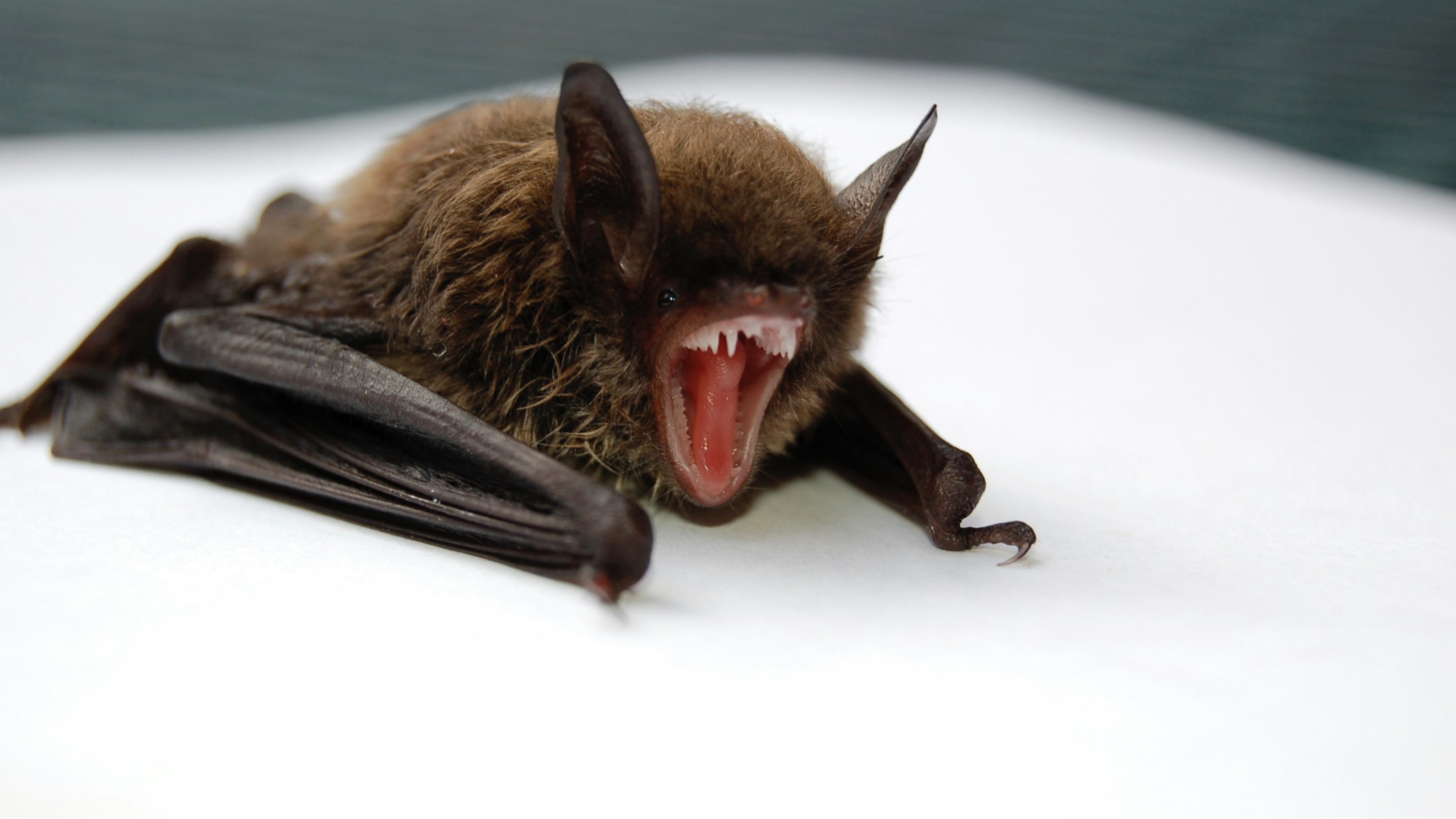
The child was vacationing with his parents at a cottage in northern Ontario in 2024 when he woke in the night to find a bat on his face. His father caught the animal in a cooking pot and released it outside. The family saw no obvious scratches or bite marks on the boy's skin. The bat didn't seem aggressive. So they made a choice that would haunt them forever: they decided medical attention wasn't necessary. That decision, according to infectious disease physicians writing in the Canadian Medical Association Journal this week, was a preventable tragedy. Nineteen days after the bat encounter, the boy began experiencing tingling, numbness, and swelling on the right side of his face. His local hospital in Ontario found elevated heart rate and white blood cell count but otherwise normal vital signs. The next day, everything accelerated. He lost feeling in half his face. His speech slurred. Then came fever, confusion, hallucinations, difficulty swallowing, and excessive saliva production. Classic rabies symptoms, though by the time they appeared, it was already too late. After four days in intensive care at McMaster Children's Hospital in Hamilton, Ontario, tests confirmed rabies. The virus had reached his brain. By day five, his brain stem reflexes were gone, indicating total loss of brain stem function. Seventeen days after hospital admission, following consultations between his family and medical experts, he was removed from life support and died. The entire nightmare, from bat encounter to death, spanned just over five weeks. The medical team's report emphasizes a critical misunderstanding about bats and rabies. Most people picture a rabid animal as aggressive, frothing at the mouth, visibly sick. Bats don't follow that script. A rabid bat might seem perfectly calm. Its teeth are so small that bites can be invisible, leaving no marks whatsoever. In North America, bats account for the majority of human rabies cases, with silver-haired bats (Lasionycteris noctivagans) responsible for most Canadian infections. Skunks, foxes, and raccoons also carry the disease, but it's bats that pose the sneakiest threat. The tragedy here is that rabies is nearly 100% preventable with post-exposure prophylaxis (PEP), a treatment protocol that includes wound cleaning, antibody administration, and a series of vaccines. It's almost always effective if administered before symptoms appear. But once symptoms start, the infection is almost 100% fatal, with most patients dying within one to two weeks. The rabies virus must travel from the exposure site to the brain before symptoms manifest, a journey that can take days or weeks depending on where the bite occurred and other factors. This boy had a 19-day window where PEP could have saved his life. His parents didn't know they were watching that window close.
 ❤️ health
Bat on Kid's Face While Sleeping: Fatal Mistake
An 11-year-old Canadian boy woke up to a bat resting on his nose and mouth at a family cottage. No visible bite marks, no panic, no doctor visit. Nineteen days later, rabies symptoms began. Five weeks after that, he was dead. His parents' decision to skip the hospital after the bat encounter cost their son his life.
My Take
This story is every parent's nightmare because the "mistake" was completely reasonable. A bat lands on your kid's face, you check for injuries, you see nothing, the bat seems fine, you make a judgment call. Except that judgment call requires knowledge most people simply don't have: that bat bites can be invisible, that seemingly healthy bats can carry rabies, that any direct contact with a bat is considered high-risk exposure requiring immediate medical intervention. We're not talking about negligence here. We're talking about a knowledge gap that killed a child. The medical community needs to own its share of responsibility for this death. If the standard protocol is that any bat contact requires PEP regardless of visible injuries, then that message has catastrophically failed to reach the public. How many families know that rule? How many emergency room doctors would think to ask about bat exposure when examining a child with facial numbness weeks after a cottage vacation? The physicians writing this case report call for "better public awareness," which is medical-speak for "we haven't done our job educating people." Rabies kills fewer than 10 people annually in the U.S. and only 28 Canadians since 1924, so it's rare enough that it's not top-of-mind for most healthcare providers, let alone parents. Here's what needs to happen immediately: every emergency room, every family doctor's office, every public health website in North America needs a simple, bold-print alert: IF A BAT TOUCHES YOU OR YOUR CHILD, GO TO THE HOSPITAL IMMEDIATELY. Not "if you see a bite." Not "if the bat seems sick." If there is physical contact, you go. The treatment is safe, it's effective, and it prevents a death sentence. This boy's parents will live with their decision forever, but they shouldn't have been put in a position where they needed specialized medical knowledge to make the right call. That's a systems failure, and kids are dying because of it.
What Happens Next
Ontario's public health authorities are about to face intense pressure to launch an aggressive public awareness campaign, but here's the problem: they're going to target cottage country and rural areas, when the real risk is everywhere. Bats roost in urban attics, suburban barns, city parks. The next case could just as easily be a Toronto kid who finds a bat in his bedroom or a Vancouver family dealing with a bat infestation in their garage. The geographic focus will be too narrow. Expect to see rabies PEP protocols tightened across Canadian hospitals within six months. Emergency departments will likely implement mandatory screening questions about animal contact for patients presenting with neurological symptoms, facial numbness, or unexplained sensory changes. That's a good step, but it still relies on people actually going to the hospital, which this family didn't do. The harder challenge is reaching people before they make that cottage-to-home drive with an untreated exposure. The wildcard scenario: this case could trigger a push for pre-exposure rabies vaccination in high-risk populations, similar to what's already done for veterinarians and wildlife workers. Some public health officials might argue that kids who regularly vacation in cottage country should receive prophylactic rabies vaccines. That's a tough sell politically and financially, but it would genuinely prevent deaths. More likely, we'll see a compromise: provincial health ministries will mandate that cottage rental properties post prominent rabies warning signs and provide information packets to guests. It's a half-measure, but it's actionable and cheap, which makes it the most probable outcome. Whether it's enough to prevent the next death is another question entirely.
What History Tells Us
Rabies has been killing humans for millennia, but the modern tragedy is how preventable it's become. Louis Pasteur developed the first rabies vaccine in 1885 after a nine-year-old boy named Joseph Meister was bitten by a rabid dog. Pasteur's experimental treatment worked, and Meister survived. Since then, rabies has gone from a common death sentence to an exceedingly rare cause of mortality in developed nations, precisely because of post-exposure prophylaxis. The U.S. saw thousands of rabies deaths annually in the early 1900s; by the 1960s, that number had dropped to single digits per year thanks to widespread pet vaccination and PEP availability. But here's the historical pattern that keeps repeating: every few years, someone dies of rabies in North America because they didn't know they'd been exposed or didn't take the threat seriously. In 2021, an Illinois man died after waking to a bat in his room but refusing treatment because he was afraid of needles. In 2019, a Utah girl died after a bat bite that her parents didn't recognize as serious. These aren't failures of medical science. They're failures of risk communication, and they echo a much older pattern. In the pre-vaccine era, rabies deaths were often blamed on victims' ignorance or bad luck, when the real culprit was lack of public education. We've solved the medical problem of rabies. We still haven't solved the information problem.