Scott Mills, a fixture in British radio for over two decades, has been abruptly dismissed from his role as host of the BBC Radio 2 Breakfast Show. The BBC's terse statement, 'While we do not comment on matters relating to individuals, we can confirm Scott Mills is no longer contracted to work with the BBC,' leaves much to the imagination. The broadcaster has not disclosed the specific nature of the allegations against Mills, fueling speculation and concern among listeners and industry insiders alike. Mills, 53, took over the prestigious breakfast slot from Zoe Ball in January 2025, following a successful tenure on BBC Radio 1. His transition to Radio 2 was seen as a natural progression, given his extensive experience and popularity. However, his tenure was short-lived, lasting just over a year before his sudden departure. The lack of transparency from the BBC regarding the allegations has raised questions about the organization's handling of such sensitive matters. In the past, the BBC has faced criticism for its opaque approach to internal controversies, and this incident appears to be no different. The absence of detailed information leaves the public to fill in the gaps, often leading to misinformation and heightened public scrutiny. Mills' departure also highlights the precarious nature of high-profile positions within the BBC. The corporation's swift action in terminating his contract suggests a zero-tolerance policy towards personal conduct issues, regardless of an individual's stature or popularity. This approach underscores the BBC's commitment to maintaining its public image and adhering to its internal standards. The broader implications of this incident are yet to unfold. The BBC's handling of the situation will likely influence public perception and could set a precedent for how similar cases are managed in the future. The lack of clarity surrounding the allegations against Mills also raises concerns about the fairness and transparency of the BBC's internal processes.
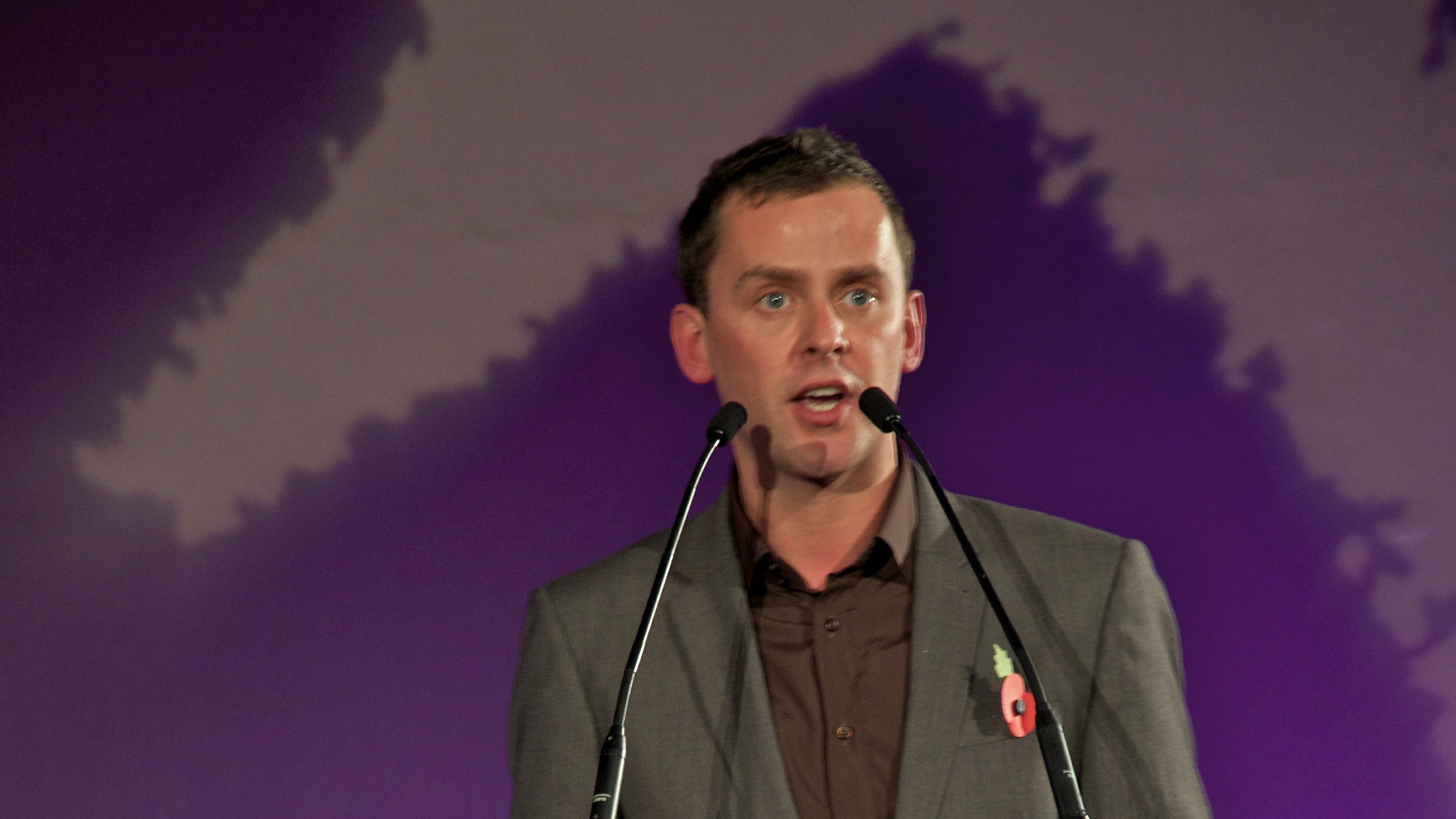 🎬 entertainment
BBC Axes Scott Mills Amid 'Personal Conduct' Scandal
Scott Mills, the beloved BBC Radio 2 presenter, has been dismissed over allegations concerning his personal conduct. The BBC confirmed his departure, stating he is 'no longer contracted to work with the BBC.'
My Take
The BBC's decision to terminate Scott Mills' contract without providing specific details about the allegations is both commendable and concerning. On one hand, it demonstrates a commitment to upholding standards and taking decisive action when necessary. On the other hand, the absence of transparency leaves the public in the dark, fostering speculation and potentially damaging reputations without due process. In an era where information is readily accessible, the BBC's approach to handling internal controversies appears outdated. A more transparent and communicative strategy would not only uphold the corporation's integrity but also maintain public trust. The lack of clarity in this case serves as a reminder of the importance of clear communication and due process in managing sensitive issues. Ultimately, the BBC's handling of this situation will be scrutinized, and its response could have lasting effects on its reputation and the trust placed in it by the public. The corporation must balance its commitment to maintaining high standards with the need for transparency and fairness in its internal processes.
What Happens Next
In the wake of Scott Mills' dismissal, the BBC is likely to conduct a thorough internal investigation into the allegations against him. This process may involve interviews with staff members, a review of his on-air conduct, and an assessment of any complaints or concerns raised during his tenure. The findings of this investigation could lead to policy changes within the BBC regarding the management of personal conduct issues. Public reaction to Mills' departure will be closely monitored. Fans and listeners may express their support for Mills, potentially leading to public campaigns or petitions advocating for his reinstatement. Conversely, if the allegations are substantiated, there could be public backlash against Mills, affecting his future prospects in the broadcasting industry. The BBC's handling of this situation will set a precedent for how similar cases are managed in the future. The corporation's commitment to transparency and due process will be under scrutiny, and its response could influence public perception and trust in the organization.
What History Tells Us
The BBC has faced similar controversies in the past, such as the 2008 'Sachsgate' scandal involving Russell Brand and Jonathan Ross. In that incident, the presenters left offensive messages on actor Andrew Sachs' voicemail, leading to public outrage and significant criticism of the BBC's internal processes. The corporation's response to that scandal involved suspensions, resignations, and a review of its editorial standards. This historical context underscores the challenges the BBC faces in managing personal conduct issues and maintaining public trust.