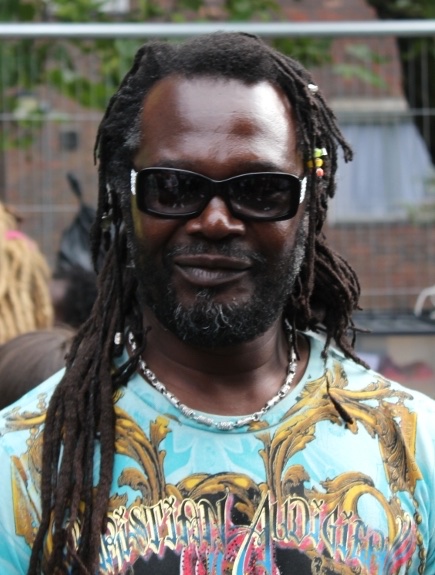
Twenty-one years and hundreds of pitches into Dragons' Den, the show's most famous alumnus is still the reggae singer who turned a homemade hot sauce into a supermarket staple. But Levi Roots was never the biggest financial story to come out of that studio in Salford, Greater Manchester, and treating him as the ceiling on what the show can produce badly undersells it. The real spread of Dragons' Den millionaires runs from a hairbrush entrepreneur who got laughed out of the room to a pair of teenage sisters who had all five Dragons fighting over them this year and walked away anyway. Levi Roots pitched Reggae Reggae Sauce in 2007 and secured £50,000 from Peter Jones and Richard Farleigh for a 40% stake in his business. The sauce ended up on supermarket shelves nationwide and, according to Sainsbury's own figures at the time, it outsold Heinz Tomato Ketchup. His personal wealth is now estimated at £30 million by the Sunday Times Rich List, though recent reporting on his company accounts has suggested the picture behind that headline figure is more complicated than the brand story suggests, with much of his income now coming from music, television and books rather than the sauce business alone. Further down the list of names people actually remember sits Wonderbly, originally pitched as Lost My Name. Piers Linney, then a Dragon, put in £100,000 for a 4% stake, and the personalised children's book company has since sold more than two million books worldwide, with Linney himself once calling it the most successful business to have ever passed through the Den's walls. Skinny Tan followed a similar arc: founders Kate Cotton and Louise Ferguson had already banked more than £600,000 in their first year when they walked in, and Kelly Hoppen and Linney matched that figure for a 10% stake. The brand was sold to InnovaDerma for an undisclosed sum in 2015, with both founders staying on as shareholders and the tanning range now selling internationally. Elsewhere, the rich list of Den alumni now includes Magic Whiteboard, turning over more than £1.2 million a year, and Chocbox, which has racked up more than £25 million in global sales. The deal nobody talks about, though, is pork scratchings. In 2016, Nick Coleman and Andrew Allen pitched The Snaffling Pig Co, a premium pork scratching brand, to then-Dragon Nick Jenkins, the Moonpig founder. He put in £70,000 for a 20% stake at a company valuation of just £350,000, with the founders given an option to buy back 10% of the equity within eighteen months if things went well. Things went very well. The company's most recent valuation stands at £11.4 million, a more than thirtyfold increase on the price Jenkins paid, making it one of the quietest and most lucrative returns the Den has ever produced, dwarfing plenty of the flashier headline pitches in pure percentage terms. Money on the show has got bigger, too. The current record cash investment is Yuv Beauty, which walked away in late 2025 with £500,000 from Steven Bartlett and Sara Davies for just 2% equity, the largest single valuation ever agreed on the programme, and the business is already reported to be worth around £25 million. Kimai, a lab-grown diamond and recycled gold jewellery brand founded by Jessica Warch and Sidney Nauhaus, secured £250,000 from Bartlett for 3% equity and, unlike a striking number of on-air handshakes, that deal actually completed. Because completion is the catch nobody puts on the poster. Analysis of the show's first eleven series found that 143 deals worth £13 million had been verbally agreed in the Den, yet only 76 of them, worth £5.8 million, ever actually closed once lawyers and accountants got involved. Dragon Deborah Meaden has been candid about the drop-off, telling one interviewer that in a typical run she has done nine deals and got seven away, and pointing out that even a seven-in-nine hit rate beats normal angel investing, where she said she would be lucky to get one in ten deals to completion. That is the uncomfortable truth of the format: the handshake is the entertainment, the due diligence is where businesses actually live or die. Some of the most instructive stories are the deals that collapsed anyway. Charles Ejogo secured £150,000 from Peter Jones and Duncan Bannatyne for his umbrella vending machine business Umbrolly, only for the offer to fall through after filming; he pressed on regardless and landed a rollout of 150 machines across the London Underground before the company eventually dissolved in 2010. Hungry House pitched for backing from James Caan and Duncan Bannatyne, agreed £100,000 for a 50% stake on camera, and then watched that deal disintegrate in post-show negotiations. The founders raised £150,000 elsewhere instead, grew the takeaway platform without a Dragon in sight, and eventually sold it, first to Delivery Hero and later, folded into that deal, to Just Eat for a reported £200 million. And this year's most talked-about walk-away belongs to sisters Honor and Cat Black, who pitched Maiden, their cricket kit brand built for women and girls, and became the rare entrepreneurs to get all five investors on board at once, including guest Dragon Gary Neville. They chose to turn the money down, telling reporters that interest from other investors during the due diligence period let them raise what they needed elsewhere on their own terms. Then there is the roll call of businesses the Dragons said no to that went on to dwarf almost everything that actually got funded. BrewDog never even made it in front of the panel, rejected by producers after a screen test, and has since grown into a business reportedly valued in the billions, built in part on a community of more than 75,000 crowdfunding investors. Trunki's Rob Law was famously humiliated when Theo Paphitis pulled the handle off his ride-on children's suitcase live on air in 2006; the brand has gone on to sell in more than a hundred countries. Natalie Ellis was turned down for her non-spill Road Refresher dog bowl in 2008, took the product to the United States instead, and had pulled in £1 million in sales within a year, with roughly 40% of that coming from American buyers. Approved Food was rejected when its founders asked for £150,000 for a 10% stake in 2014; they raised £400,000 through loans and other investors and built the surplus-food retailer to a £4 million turnover. More recently, haircare brand Hair Syrup was turned down after Deborah Meaden questioned its margins and Touker Suleyman withdrew a last-minute offer, but founder Lucie Macleod has since told the BBC the business has been thriving regardless. Britain's version is not the only one keeping score. Shark Tank, the American cousin of the format, launched in 2009 and fields investors who are, on paper, in a different financial league; one comparison of the two shows put the average net worth of the Sharks at around $4.5 billion against roughly $30 million for the Dragons, though Peter Jones alone has since been reported at a personal net worth of £1.2 billion in one recent ranking, muddying that comparison. Both formats trace back to a much older Japanese show, Tigers of Money, which put entrepreneurs in front of investors on television as early as 2001. American commentators generally reckon Shark Tank converts a higher proportion of pitches into completed funding, partly because its investors are more experienced dealmakers and more aggressive negotiators, though nobody has published Shark Tank fall-through data anywhere near as detailed as the UK analysis of verbal Den agreements. What is clear from the British numbers is that getting an offer on camera and getting a cheque in the bank are two very different achievements, and the gap between them has quietly become the most important statistic in the whole format.
 📈 business
Beyond Levi Roots: The Dragons' Den Millions Nobody Mentions
Reggae Reggae Sauce is the story everyone remembers, but a modest £70,000 pork scratchings deal is quietly worth more today than most of the Den's headline pitches. A look at the real winners, the rejects who proved the panel wrong, and the brutal maths behind who actually gets paid.
My Take
The lesson here is not "the Dragons are geniuses." It is that most of the money that actually matters in this story was raised somewhere else entirely. Snaffling Pig's thirtyfold return happened because Nick Jenkins backed a genuinely good product at a sane valuation and then got out of the way, not because television cameras were rolling. BrewDog, Trunki and Road Refresher all built real businesses precisely because nobody in the Den believed in them, which should worry anyone who thinks a panel of five people, however successful, has a reliable eye for what actually sells. The show's real product was never investment capital. One financier who turned down a seat on the panel pointed out that his own fund puts roughly sixteen times more money into UK startups every year than all five Dragons have invested between them across the programme's entire history. What the Den actually sells is attention, a national audience, and a credibility stamp that opens doors with retailers and banks long after the cameras stop rolling. That is worth something real, arguably more to a small business than the cheque itself, but it is a very different pitch to the one the show makes about itself. None of which makes it worthless television or a worthless launchpad. It makes it a lottery with unusually good marketing. For every Snaffling Pig or Wonderbly there are dozens of companies that took the money, took the appearance fee in publicity, and quietly folded a few years later once the novelty wore off. The honest headline is not "get rich pitching to Dragons," it is "get seen pitching to Dragons, and hope you are one of the roughly half whose handshake survives contact with a lawyer."
What Happens Next
Series 23 is currently airing, and the panel has just added its most talked-about guest seat yet. Susie Ma has joined the current run of guest Dragons alongside returning names like Gary Neville, giving the show a fresh injection of publicity heading into its next block of episodes. Steven Bartlett, still the youngest Dragon ever to sit in the chairs, remains the most active investor by volume, having pledged money to thirteen companies worth more than £900,000 in series 22 alone, with Sara Davies and Touker Suleyman not far behind on deal count. Expect the usual autumn wave of "what happened next" specials to follow, and expect at least a handful of series 22 and 23 handshake deals to quietly fail to convert once due diligence gets under way, in keeping with the show's long-running pattern of roughly half of on-air agreements never actually closing. Watch in particular for Yuv Beauty's £500,000 record deal and the Kimai jewellery investment to be tested over the next year, since both are recent enough that their real-world completion and early trading numbers will start to become public. Longer term, the more interesting trend is what happens to the businesses the Dragons pass on. With BrewDog, Trunki and Approved Food all having proved a panel of five self-made millionaires can be wrong about a product on the day, expect future rejected pitches to lean harder into crowdfunding and direct-to-consumer routes rather than waiting for a second chance at television investment, using the "as seen on Dragons' Den" exposure as free advertising even without a completed deal.
What History Tells Us
The pitch-to-panel format did not start in a Manchester TV studio. It traces back to Tigers of Money, a Japanese programme first broadcast by Nippon Television in 2001, which put entrepreneurs in front of wealthy investors on camera years before the format crossed to Britain in 2005 and then to America as Shark Tank in 2009. The three shows have since developed distinct national personalities, with Dragons' Den generally seen as more mentoring in tone and Shark Tank as faster-paced and more combative, but the underlying business model, and its underlying flaw of a headline handshake that may or may not survive lawyers, is identical wherever the format airs.