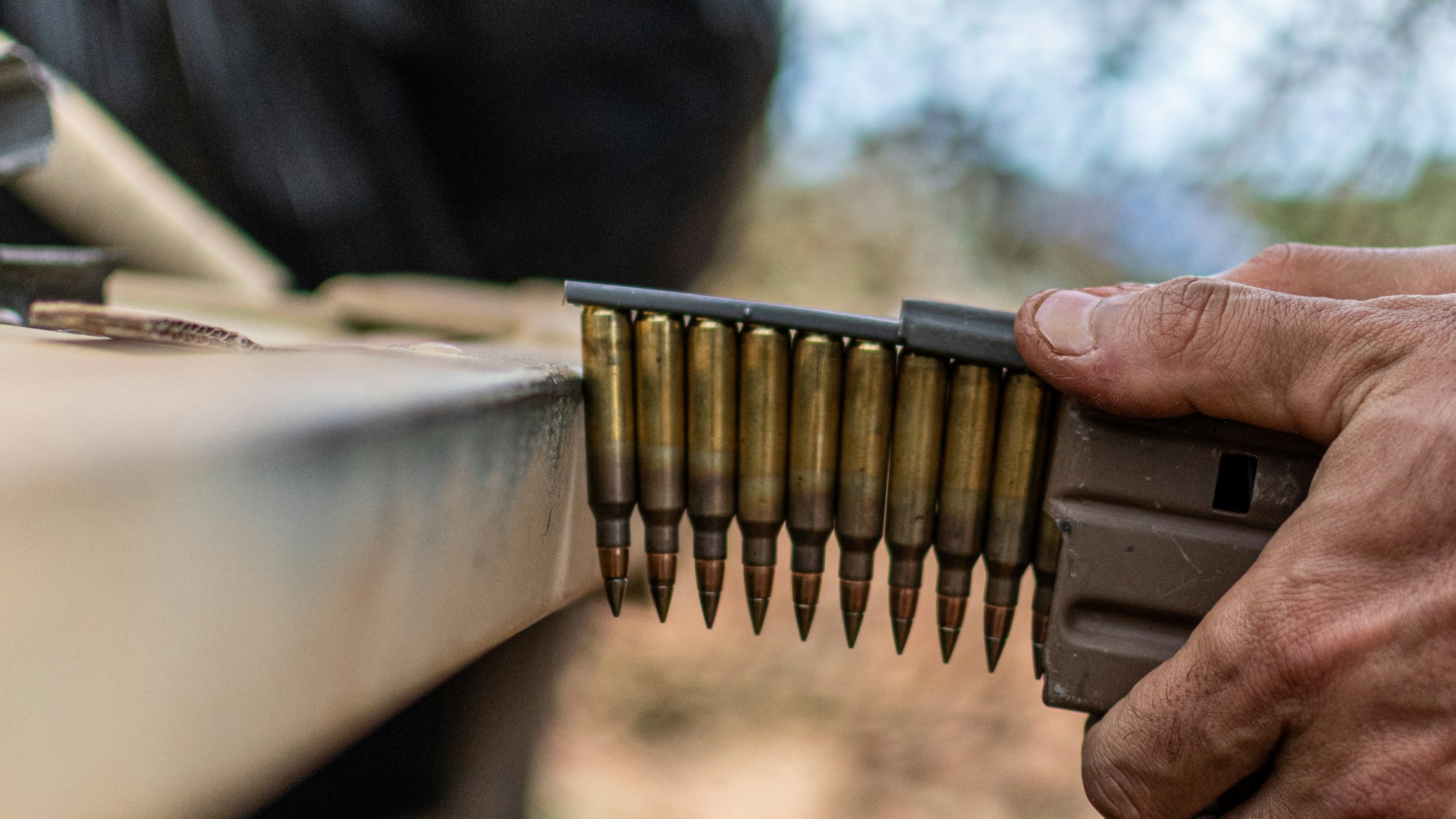
The idiom 'bite the bullet' is commonly used to describe the act of facing a difficult or unpleasant situation with courage and determination. Its origins trace back to the 18th and 19th centuries, particularly in military contexts. During this period, anesthesia was not available, and soldiers undergoing surgery would sometimes bite down on a bullet to endure the pain. This practice served to distract them from the procedure and prevent them from screaming, as well as to reduce the risk of biting their own tongues. The bullet, being malleable and durable, was a practical tool for this purpose. Over time, the phrase evolved from this literal practice to a metaphorical expression, symbolizing the act of confronting adversity head-on. The earliest known use of the idiom in this figurative sense appears in Rudyard Kipling's 1891 novel, 'The Light That Failed,' where the protagonist is advised to 'bite on the bullet' during a painful operation. This usage reflects the broader cultural understanding of the phrase as a symbol of stoic endurance in the face of hardship. The transition from a literal to a metaphorical expression highlights the human tendency to draw from concrete experiences to articulate abstract concepts. By the late 19th century, 'bite the bullet' had become a common idiom in both British and American English, used to describe the act of facing any ordeal with courage and resolve. Its enduring presence in the language underscores the universal appeal of the concept of enduring pain or difficulty with fortitude. Today, the phrase is widely used in various contexts, from personal challenges to professional decisions, embodying the spirit of resilience and determination. Its evolution from a battlefield practice to a common idiom illustrates the dynamic nature of language and its ability to adapt and convey complex human experiences. Understanding the origins of such phrases enriches our appreciation of language and the historical events that shape it.
 🔬 science
Bite the Bullet: A Painful Idiom's Origins Revealed
Ever wondered where the phrase 'bite the bullet' comes from? Let's dig into its gritty past and see how it evolved into the idiom we know today.
My Take
The phrase 'bite the bullet' serves as a stark reminder of the lengths to which humans have gone to endure pain and hardship. Its origins in battlefield medicine, where soldiers had to find ways to cope with excruciating procedures without anesthesia, reflect a time when resilience was a matter of survival. This historical context adds depth to the idiom, transforming it from a mere expression to a testament of human endurance. In today's world, the phrase continues to resonate, encouraging individuals to face challenges head-on. It serves as a metaphor for confronting difficult situations with courage and determination, a concept that remains relevant across various aspects of life. The enduring nature of 'bite the bullet' highlights the timeless human capacity to adapt and persevere, regardless of the circumstances. Its evolution from a literal practice to a metaphorical expression underscores the power of language to encapsulate complex human experiences and emotions. Embracing the essence of this idiom can inspire individuals to tackle their own challenges with fortitude, drawing strength from the knowledge that resilience has been a cornerstone of human history. By understanding the origins and evolution of such phrases, we gain insight into the cultural and historical contexts that shape our language and, by extension, our perceptions and actions. This awareness can foster a deeper appreciation for the expressions we use daily and the rich histories they carry with them.
What Happens Next
As language continues to evolve, idioms like 'bite the bullet' may undergo further transformations, potentially acquiring new meanings or falling out of common usage. However, the core concept of facing adversity with courage is likely to remain a timeless theme in human expression. The phrase's enduring presence in literature, media, and everyday conversation suggests that it will continue to serve as a powerful metaphor for resilience and determination. Its adaptability across different contexts and cultures underscores the universal appeal of the idea of confronting challenges head-on. Whether in personal struggles or societal challenges, the essence of 'biting the bullet' will likely persist, inspiring individuals to face difficulties with fortitude and resolve.