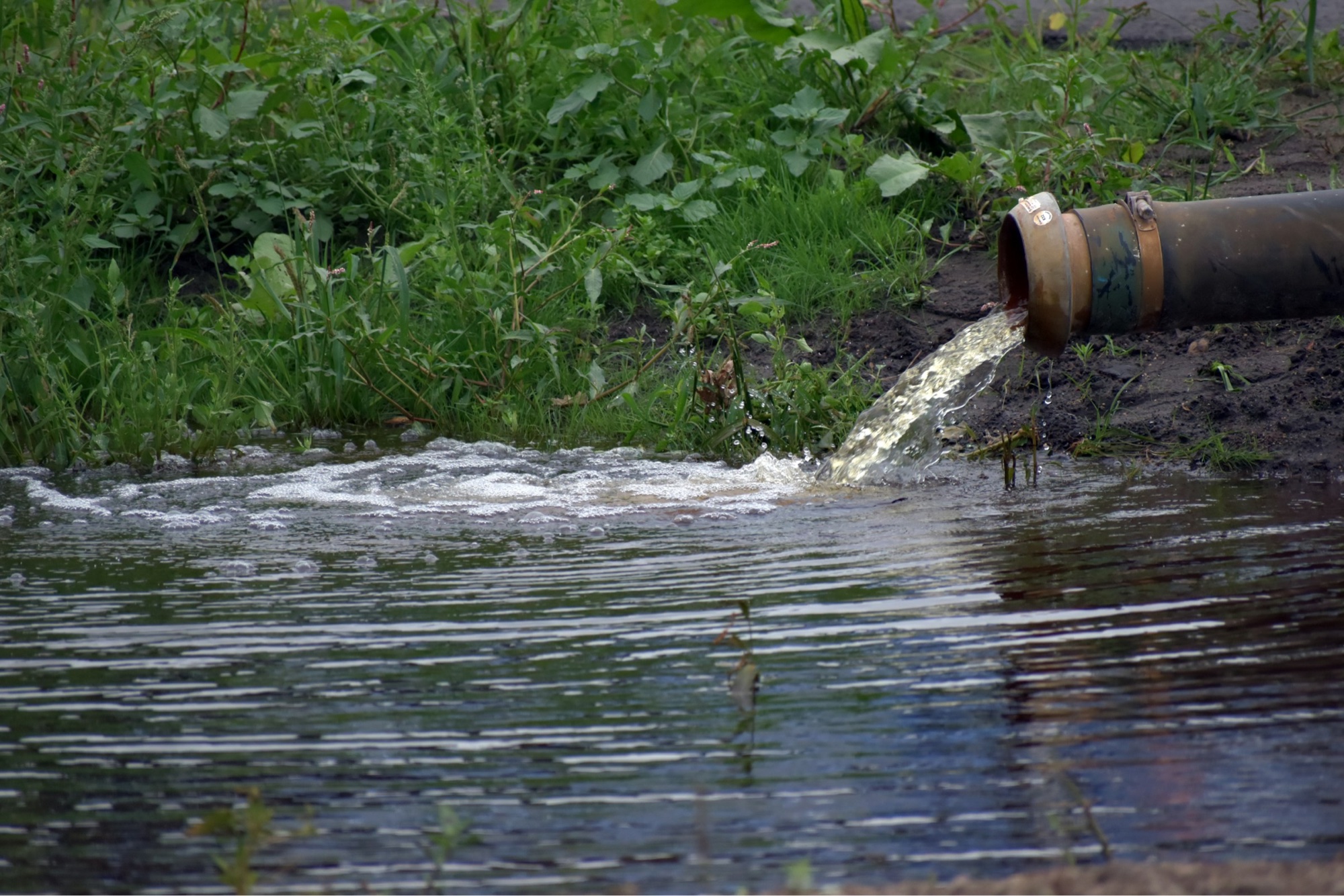
In July 2026, a High Court ruling allowed criminal charges to proceed against four former Southern Water executives. The charges, brought by the Environment Agency, had been issued earlier but were subject to a legal challenge that was dismissed on July 22, 2026. Matthew Wright (former CEO), Philip Barker, Clive Massey, and Mark Gregory allegedly orchestrated a scheme between 2012 and 2017 where sewage tankers were driven away from testing sites to dodge inspections and avoid £45 million in fines. It's the first time water industry bosses have faced criminal prosecution since activists began exposing the sewage scandal over a decade ago.

The numbers tell a damning story. According to latest available figures, England's water companies discharged raw sewage into rivers and coastal waters approximately 290,000 times in 2025, down from over 400,000 times in previous years. Only 14% of England's rivers, lakes, and coastal waters meet good ecological health standards, according to the latest Environment Agency assessment. A fifth are classified as 'poor' and three percent carry the lowest 'bad' rating. During the 2024 bathing season alone (starting May 15), Surfers Against Sewage documented 116,000 hours of sewage discharges near swimming sites. Hundreds of people reported illnesses. This isn't just about pollution. Water companies have failed spectacularly at their core job of providing clean drinking water. South East Water left thousands of Kent residents without tap water on multiple occasions, including major incidents in late 2025 and early 2026, following a pattern of supply failures dating back to 2020. During the summer 2024 heatwave, the company asked customers to limit showers to under four minutes because storage tanks were approaching critical levels. Meanwhile, according to regulator Ofwat, almost three billion liters of drinking water leak from aging pipes every single day in England and Wales. That's five times more than hosepipe bans save. Despite explosive housing growth, England hasn't built a new reservoir since 1992. By 2050, the country will need an additional five billion liters daily for public water supplies, plus a further one billion liters daily for the wider economy including energy, farming, and industry. How did a G7 economy allow its water infrastructure to deteriorate into what the National Risk Register now lists as a catastrophic threat to national security, on par with a pandemic? The answer is privatization gone rogue. When Margaret Thatcher's government sold off England and Wales' water infrastructure in 1989 (Scotland and Northern Ireland kept theirs public), the stated goal was innovation through competition. Instead, it handed institutional investors lucrative monopolies with captive customers. Foreign investors moved in during the 2000s, loading companies with debt while extracting billions that should have funded repairs. Then in 2009, the Environment Agency introduced 'operator self-monitoring,' essentially letting water companies police themselves on sewage reporting. Feargal Sharkey, the former Undertones frontman turned environmental campaigner, has been leading the charge for accountability. He names four executives as emblematic of the industry's failures (three of whom face no charges): Steve Mogford (CEO of United Utilities 2011-2023), Susan Davy (CEO of South West Water from July 2020, announced retirement in July 2025), and Liv Garfield (CEO of Severn Trent Water 2014-December 2025). Combined with Wright's tenure compensation, these four executives collected £68.1 million in salaries and bonuses while their companies repeatedly violated environmental laws. Sharkey has long argued that the genuine threat of prison time would transform the industry overnight. The Environment Agency launched a record 81 criminal investigations into water companies between July 2024 and March 2025, with at least seven cases expected to reach court in coming months. Water bosses could face jail time and companies could be fined hundreds of millions of pounds. The human cost extends beyond inconvenience and contaminated beaches. In 1999, eight-year-old Heather Preen died from an aggressive E. coli infection after contact with raw sewage pumped into the sea at Dawlish Warren, Devon. Her mother Julie now campaigns for water safety, recently pleading with officials to 'put public health before profit.' Grassroots organizations including Windrush Against Sewage Pollution (WASP), Surfers Against Sewage, River Action UK, Save Windermere, and Fish Legal have driven much of the investigative work that led to current prosecutions. Ash Smith, a former Thames Valley Police officer who co-founded WASP, calls it 'shocking' that companies got away with violations for so long and wants a full inquiry into regulatory failures at Ofwat and the Environment Agency. The new political landscape brings fresh questions but few clear answers. Recent government proposals to abolish Ofwat and create a new super-regulator have been dismissed by campaigners as 'window dressing' that fails to address the fundamental problem: an industry structure that prioritizes shareholder returns over public health. Without mutualization or nationalization, critics argue, the water sector will continue functioning primarily as a financial engineering tool for extracting money rather than delivering essential services. The underlying issue isn't just incompetent regulation, it's an ownership model that was broken from the start.