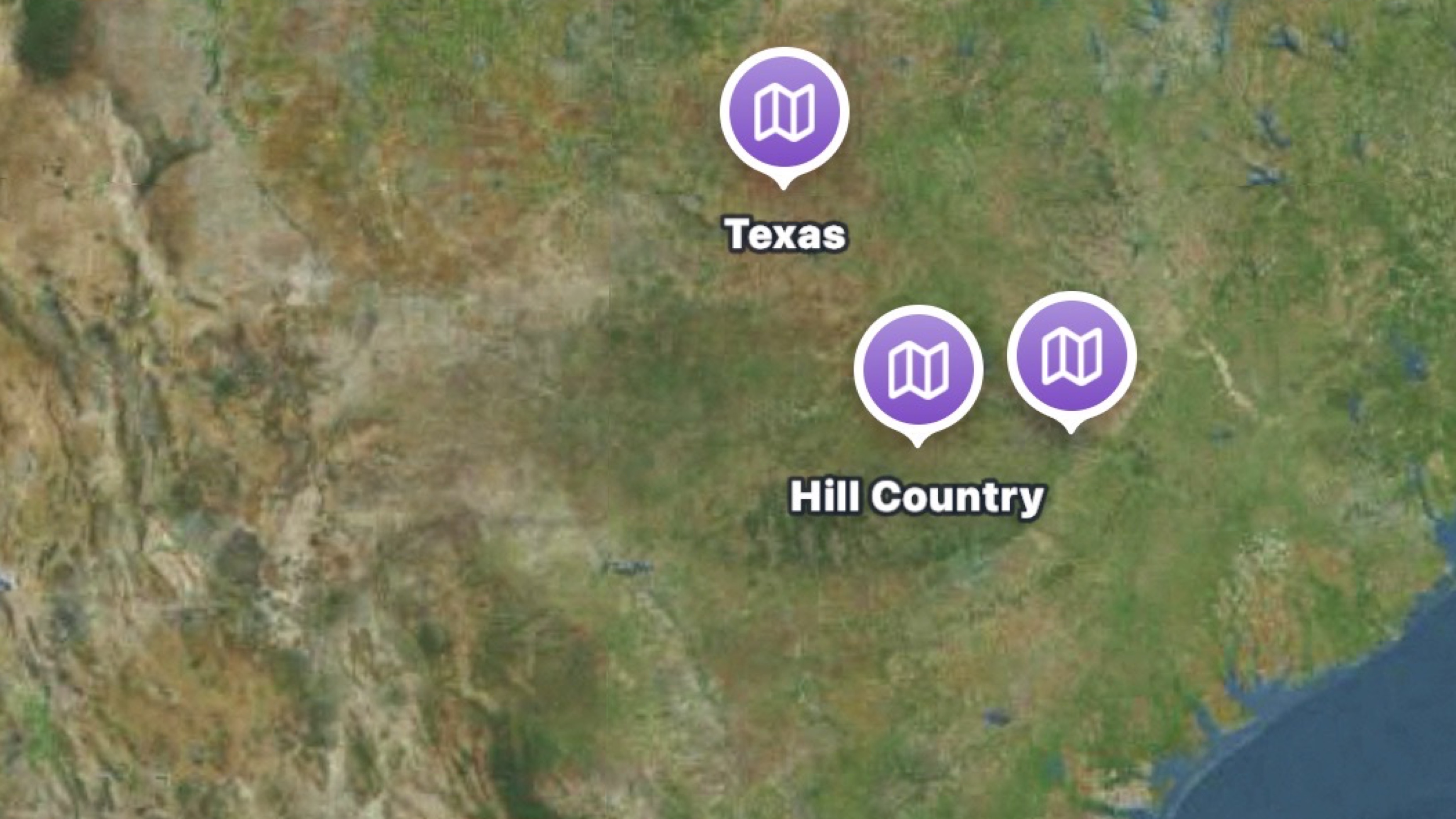
Camp Mystic, a fixture of Texas summer camps for generations, announced Thursday it's withdrawing its 2026 camp license application and will not reopen. The decision comes as multiple investigations and lawsuits bear down on the camp's operators following the Fourth of July 2025 floods that claimed 27 young lives on their property. The catastrophic flash flooding across Texas Hill Country killed more than 100 people total, making it one of the deadliest natural disasters in state history. The announcement follows a brutal week for the camp's reputation. Public hearings into the disaster began recently, with testimony likely painting a damning picture of preparedness failures, inadequate evacuation protocols, and possible negligence. At least one Texas lawmaker publicly promised to shut the camp down if operators didn't do it themselves, a rare political threat that signals how politically toxic this tragedy has become. For a summer camp to face this level of legislative hostility means the evidence emerging is likely devastating. The lawsuits piling up against Camp Mystic represent not just financial liability but a fundamental reckoning with how recreational facilities handle extreme weather in an era of climate volatility. Texas has seen increasingly severe flash flooding events in recent years, yet many camps, ranches, and outdoor facilities still operate with weather protocols designed for a different climate reality. Camp Mystic's location in the Hill Country, known for its stunning limestone valleys, also makes it a natural funnel for flash floods when massive rainfall hits upstream. What's striking is the speed of the collapse. One week of bad publicity, one round of hearings, and the camp folds entirely rather than fight through investigations and legal proceedings. That suggests either the evidence is indefensible or the financial and reputational costs of defending the operation exceed any possible future revenue. Summer camps operate on thin margins; one cancelled season is survivable, but the stigma of 27 dead children is not. The broader implications ripple across Texas's massive outdoor recreation industry. Every camp, every retreat center, every adventure program is now asking whether their emergency protocols would survive the scrutiny Camp Mystic is receiving. Insurance companies will tighten requirements, parents will demand detailed safety plans, and some facilities will simply close rather than navigate the new liability landscape. The era of casual summer camp operations, where kids canoed and hiked with minimal oversight, is likely over in Texas.
 🏛️ politics
Camp That Lost 27 Girls Shuts Down Forever
Camp Mystic won't reopen after last July's catastrophic Hill Country floods killed 27 campers and over 100 people total. Facing lawsuits, investigations, and a lawmaker's vow to force closure, the owners pulled their license application Thursday. The once-beloved Texas institution is finished.
My Take
This shutdown is the only rational move the owners could make, but it doesn't absolve them of anything. Pulling a license application isn't accountability; it's retreat. Twenty-seven families lost children because someone, somewhere, made a series of catastrophically bad decisions when flash flood warnings started coming in. Whether that's criminal negligence or tragic miscalculation is for courts and investigators to determine, but the fact that Camp Mystic's operators would rather close permanently than defend their actions speaks volumes. The real test is what happens next in the courts and legislative hearings. If this turns out to be a case of ignored warnings, inadequate shelters, or delayed evacuations, then Texas needs to throw the book at everyone responsible. But if it's genuinely a case of an unprecedented weather event overwhelming reasonable precautions, then we need to talk about how climate change is making outdoor recreation fundamentally more dangerous. Either way, 27 dead kids demands more than a closed camp-it demands systemic change in how we protect children in outdoor settings. And let's be blunt: this disaster was entirely preventable with modern weather monitoring and aggressive evacuation protocols. We have real-time radar, flash flood warnings, and mobile alerts. The fact that 27 girls died in 2025 when we have technology that can predict these events hours in advance is inexcusable. Someone decided those kids would be fine, and they were catastrophically wrong.
What Happens Next
The first domino falls in May when discovery documents in the civil lawsuits reveal internal communications from the days before and during the flood. If those emails and texts show staff ignoring National Weather Service warnings or delaying evacuations for logistical convenience, expect criminal charges by summer. The Travis County District Attorney's office will face enormous political pressure to prosecute, especially as families organize and demand accountability. By fall 2026, Texas legislators will introduce sweeping reforms requiring all overnight camps and outdoor facilities to maintain real-time weather monitoring systems, designated severe weather shelters rated for flash floods, and mandatory evacuation protocols triggered by National Weather Service alerts. The bill will be named after one of the 27 victims and will pass with bipartisan support, though enforcement funding will be gutted in committee. Insurance companies will do the real enforcement-camps that don't comply simply won't get coverage. The wildcard is whether the federal government gets involved. If the National Transportation Safety Board (NTSB) or Federal Emergency Management Agency (FEMA) determines systemic failures in how Texas handles flash flood warnings for recreational facilities, we could see nationwide regulations imposed on an industry that's operated with minimal federal oversight for decades. That's the outcome nobody sees coming, but 100+ deaths in a single weather event could be the catalyst that brings federal regulators into summer camps across America.
What History Tells Us
The closest historical parallel is the 1993 Big Thompson Canyon flood in Colorado, where 144 people died during a flash flood in a narrow canyon popular with campers and tourists. That disaster, like this one, was driven by massive rainfall upstream funneling into a confined space with limited evacuation routes. In both cases, victims had little warning before walls of water hit, and in both cases, investigations revealed communication failures between weather services and ground-level managers. The Big Thompson disaster led to Colorado implementing aggressive flash flood warning systems and mandatory evacuation protocols for recreational areas-reforms Texas apparently never fully adopted despite having similar geography. Another parallel is the 2003 Station nightclub fire in Rhode Island that killed 100 people and led to sweeping changes in fire safety codes for entertainment venues nationwide. Like Camp Mystic, the Station was a private business where management decisions directly led to preventable deaths. The aftermath saw owners criminally prosecuted, massive civil settlements, and regulatory reforms that fundamentally changed how similar venues operate. Camp Mystic's tragedy could trigger the same cascade for outdoor recreation facilities.