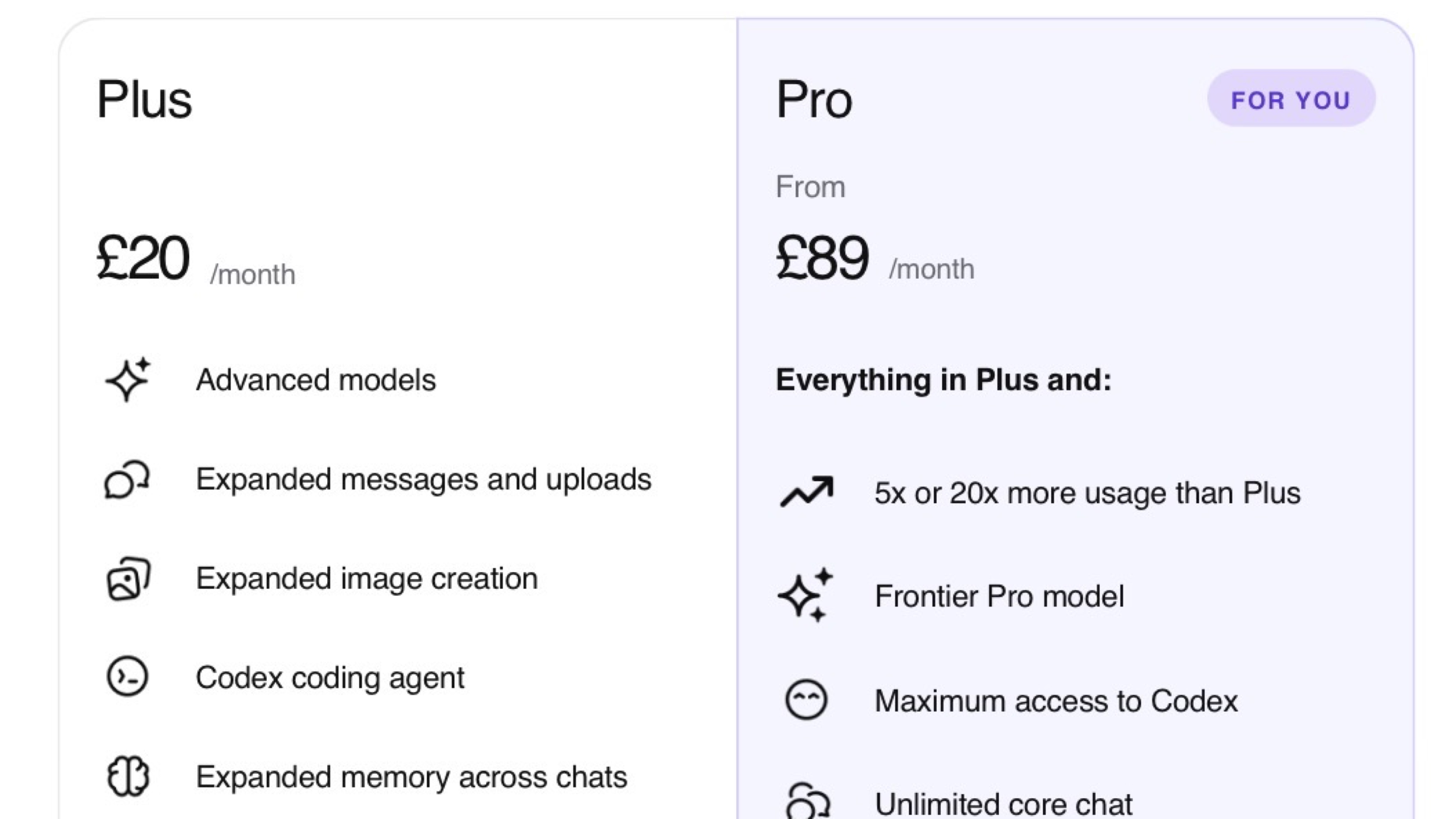
OpenAI's ChatGPT, once a leading AI chatbot, is now grappling with significant user dissatisfaction. Reports indicate a measurable decline in the model's accuracy and responsiveness, with users citing frequent factual errors and overzealous content filters. In March 2026, over 1.5 million users reportedly abandoned ChatGPT, a stark contrast to its previous market dominance. This exodus coincides with the introduction of new subscription tiers, including the $100 per month "Pro Lite" plan, which some users interpret as a strategy to upsell dissatisfied customers. Users have also reported increased verbosity in ChatGPT's responses, with outputs often filled with filler text that dilutes the quality of information provided. (aiproductivity.ai) This shift has led to frustration among users who rely on the chatbot for concise and accurate information. The timing of these performance issues, coupled with the rollout of higher-priced subscription plans, has fueled speculation that OpenAI may be intentionally degrading service to encourage users to upgrade. However, OpenAI has not publicly acknowledged any such strategy, and the company continues to assert that the performance issues are unintentional. As competitors like Google's Gemini AI offer robust free alternatives, the pressure on OpenAI to address these concerns intensifies. Users are increasingly seeking value and reliability, and OpenAI's response to this backlash will likely determine its future in the competitive AI landscape.
 💻 technology
ChatGPT's Decline: A Strategy to Upsell?
OpenAI's ChatGPT is facing user backlash over declining performance, leading to speculation that the company may be intentionally degrading service to push higher-tier subscriptions.
رأيي
OpenAI's recent actions raise serious questions about its commitment to user satisfaction. The introduction of higher-priced subscription tiers amid declining service quality suggests a deliberate strategy to upsell users, capitalizing on their dissatisfaction. This approach not only undermines trust but also risks alienating a user base that once viewed ChatGPT as a valuable tool. If OpenAI continues down this path, it may find itself outpaced by competitors who prioritize user experience over profit.
ماذا سيحدث بعد ذلك
OpenAI's response to the backlash will be pivotal. If the company acknowledges the performance issues and works to resolve them, it may regain user trust and stabilize its market position. Conversely, if OpenAI continues to prioritize upselling over user satisfaction, it risks further user attrition and potential market share loss to competitors like Google's Gemini AI. The next few months will be critical in determining whether OpenAI can realign its strategies to meet user expectations.
ما يخبرنا به التاريخ
In the early 2000s, Microsoft faced similar criticism with its Windows Vista release, which was plagued with performance issues. The backlash led to a significant decline in user trust and market share, highlighting the importance of maintaining product quality to sustain a user base.
تأثير السوق
The decline in ChatGPT's user base and performance issues have led to increased interest in alternative AI chatbots, particularly Google's Gemini AI. This shift could impact the market share of AI companies, with potential implications for stock prices and investment strategies.