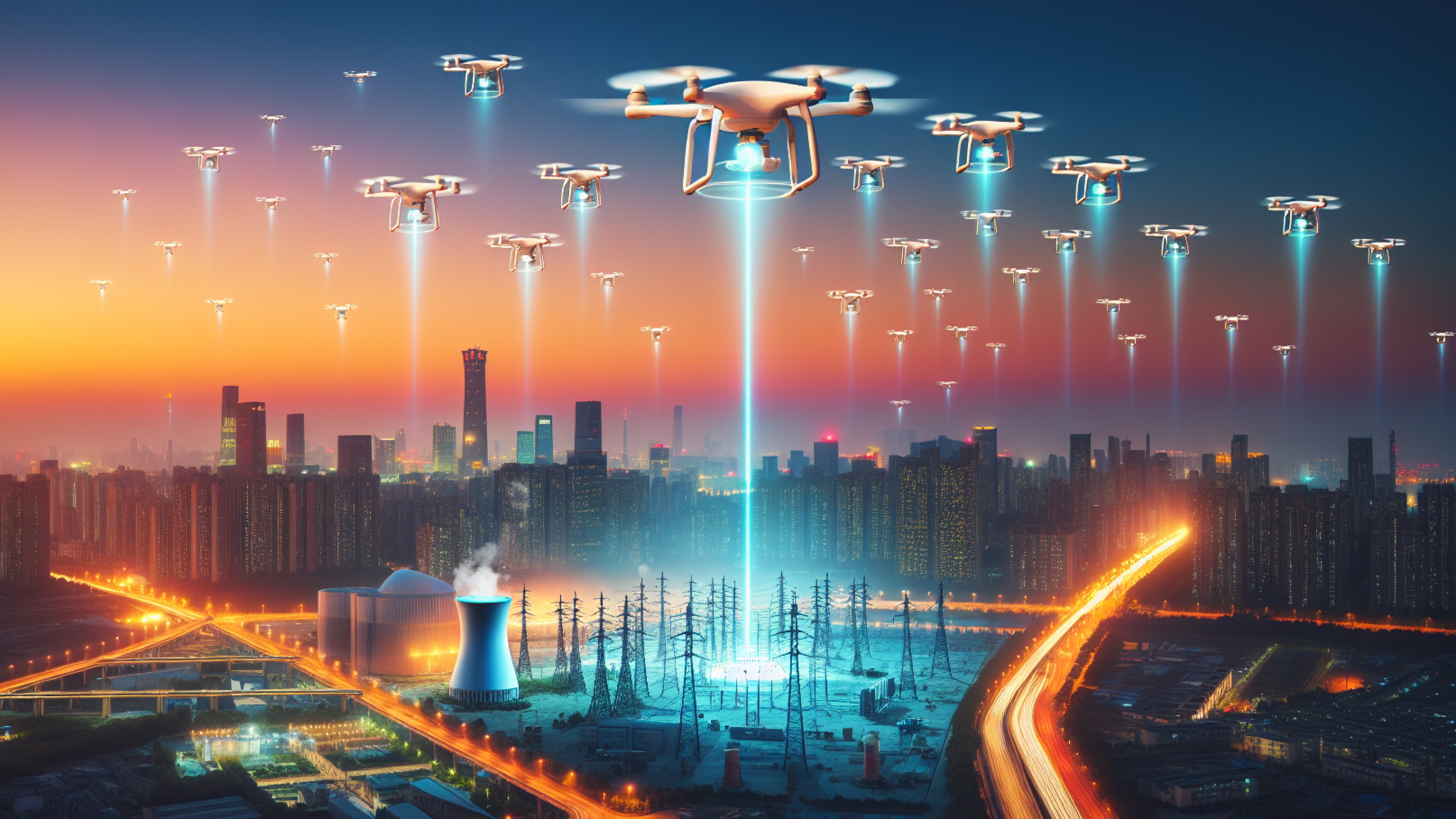
In a groundbreaking demonstration, Chinese researchers at Xidian University confirmed they maintained continuous drone flight using a microwave wireless power transfer (WPT) system beaming energy from the ground to a drone via microwaves. The system sustained a fixed-wing drone in flight for up to 3.1 hours at approximately 49 feet altitude, even with both ground emitter and drone in motion - an impressive leap beyond earlier static trials. We now have solid insights into the technology behind this: microwave wireless power transfer (MWPT) systems use ground-based transmitters and onboard drone rectenna arrays to convert microwaves into direct current (DC) power. The Xidian team overcame alignment challenges by using real-time Global Positioning System (GPS) positioning, beam steering controls, and onboard flight stabilization, ensuring the beam remained locked on the moving target. Similar designs deploy phased array antennas to dynamically adjust beam direction, minimizing dropouts and maximizing efficiency. MWPT also reduces the need for bulky batteries, allowing drones to redistribute saved weight toward sensors or payloads critical for longer missions and higher performance. These systems show formidable promise in expanding drone endurance well beyond conventional limits. Beyond military endurance missions, this beam-powered drone tech could radically reshape civilian drone applications. Agriculture would see drones monitoring crops for days without recharging. Disaster response operations like search and rescue, wildfire tracking, or real-time mapping could deploy fleets with true endurance. Infrastructure inspection teams could send drones into remote or hazardous zones, reduced battery weight enabling better sensors or longer range. Even delivery services could avoid frequent landing stops, vastly improving logistics efficiency. The ground-to-air beam could be mounted on mobile platforms like vehicles or temporary stations, creating flexible drone refueling networks. Imagine drones pulling into "refuelling stations" like cars at petrol pumps, quickly recharging mid-flight. This isn’t sci-fi, it’s a near-future operational tool. Still, hurdles remain. MWPT receivers are vulnerable to environmental interference like multipath fading. Signal reflections, scattering, or obstruction can cut power delivery by over 30 percent, especially in urban or cluttered environments. Advanced beam control and receiver design such as using gallium nitride (GaN) Schottky diodes are needed to stabilize delivery and improve efficiency in complex conditions. Receiver adaptability remains a core technical barrier before deployment in varied real-world environments. Looking beyond drones, the core microwave beam tech aligns directly with efforts in space-based solar power systems. Xidian University has already built a 75-meter-tall ground test facility for space solar power, capturing sunlight, converting it to microwave beams, and sending it over short distances for reconversion to electricity. Xidian is advancing both terrestrial drone power systems and orbital solar-microwave transmission through complementary research. Together, these signal a broader shift toward a microwave-powered energy ecosystem both above and on Earth. In essence, the tech is layered: a refined MWPT beam keeps drones aloft, while parallel work in space-based solar power may one day feed MWPT networks from orbit. This integrated vision could open a new era of airborne energy delivery, with military, civilian, and energy sectors standing to be redefined if the prototype scales. Xidian may be quietly building the backbone for a microwave-powered future. This innovation feels like a scene plucked straight from "The Jetsons," the iconic television show that imagined a world where futuristic technology handled everyday tasks from flying cars to household robots. Remarkably, with these microwave-powered drones, we are edging toward that future, turning pioneering sci-fi concepts into tangible reality. The race is officially on, and it might not look like anything we have seen before.
 💻 technology
China's Microwave Beam Powers Drones Mid-Flight
China's latest tech breakthrough beams energy to drones mid-air, keeping them flying longer. This could revolutionize military and surveillance operations. But is it a game-changer or just a flashy demo?
Mi opinion
China's microwave-powered drones are a game-changer. This tech could revolutionize military operations, allowing drones to stay airborne indefinitely without landing. Imagine surveillance missions that never end, or strike capabilities that don't pause. But there's a catch. While the technology is impressive, it's still in the testing phase. The real-world application, especially in combat zones, remains to be seen. Plus, the reliance on microwave beams could make these drones vulnerable to countermeasures. Still, the potential is enormous. If China can refine this technology, it could set a new standard in drone warfare. The U.S. and other nations will need to play catch-up, or risk falling behind in the next arms race. This isn't just about keeping drones in the air; it's about redefining how we think about aerial operations. The implications are vast, from military strategy to surveillance capabilities. But as with all new tech, the devil is in the details. Let's see if China can turn this prototype into a battlefield reality. If they do, expect a seismic shift in how wars are fought from the skies.
Que pasa despues
China's next move is clear: refine the technology and integrate it into military operations. Expect rapid development and deployment, possibly within the year. Meanwhile, the civilian sector is watching closely as the technology could lead to the establishment of drone 'fuel stations' akin to petrol stations, paving the way for commercial drone operations. The U.S. and its allies will likely accelerate their own research into similar technologies, leading to a new arms race in drone capabilities. This development may also encourage international regulations on drone warfare, as the potential for misuse grows. The balance of power in aerial combat could shift dramatically, with nations scrambling to develop countermeasures. The question is, who will lead the charge in this new frontier of warfare?