In a stunning breach of security, the Handala Hack Team, a pro-Iranian cyber group, has infiltrated the personal email account of FBI Director Kash Patel. The hackers have released a trove of personal emails, documents, and photographs, including images of Patel in Cuba, online. This incident marks a significant escalation in cyber hostilities amid the ongoing conflict between the U.S., Israel, and Iran. The breach is reportedly in retaliation for the FBI's recent seizure of several of Handala's domains, highlighting the escalating cyber tensions in the region. While the FBI has confirmed the authenticity of the breach, it emphasizes that no government-related information was compromised, describing the leaked content as historical and personal. The agency has taken measures to address the incident and minimize risks. This attack underscores the vulnerabilities in personal cybersecurity, even for high-ranking officials, and raises questions about the FBI's internal security protocols. The incident also highlights the challenges in attributing cyberattacks to state actors, as Iran often employs proxy groups like Handala to carry out operations, complicating direct attribution. The breach has prompted discussions about the need for enhanced cybersecurity measures and the importance of safeguarding personal information to prevent such incidents in the future.
 🏛️ politics
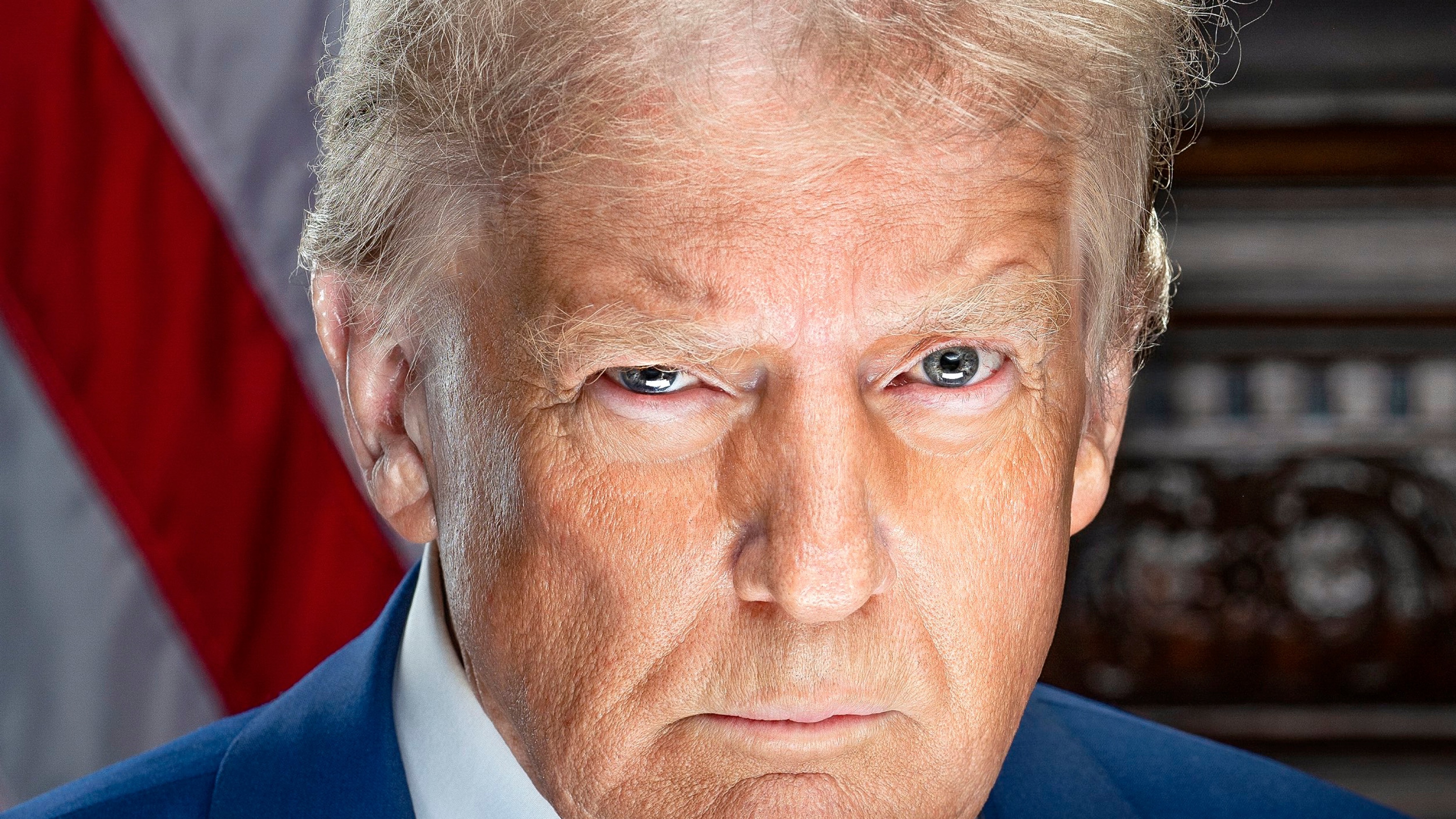
FBI Chief's Private Life Exposed Amid Cyberattack
FBI Director Kash Patel's personal emails and photos have been leaked online following a cyberattack by the Handala Hack Team, an Iran-linked group. The breach raises serious questions about Patel's security and the FBI's internal protocols.
My Take
The leak of FBI Director Kash Patel's personal emails and photos is more than just a security breach; it's a wake-up call. In an era where cyber threats are increasingly sophisticated, even the highest echelons of government are not immune. This incident lays bare the FBI's vulnerabilities and raises serious questions about its internal security measures. The fact that the breach was in retaliation for the FBI's actions against Handala's domains suggests a tit-for-tat escalation in cyber hostilities. While the FBI insists that no government-related information was compromised, the exposure of personal data is a stark reminder of the importance of robust cybersecurity protocols. This attack should serve as a catalyst for a comprehensive review of security practices, not just within the FBI, but across all government agencies. It's time to stop underestimating the threat and start implementing measures that can withstand the evolving landscape of cyber warfare.
What Happens Next
In the aftermath of the breach, the FBI is likely to conduct a thorough internal investigation to assess the extent of the compromise and identify any lapses in security protocols. This may lead to a reevaluation of cybersecurity measures and the implementation of stricter controls to prevent future incidents. The incident could also prompt a broader discussion on the need for international norms and agreements to govern state-sponsored cyber activities, aiming to reduce the frequency and severity of such attacks. Additionally, the exposure of personal information may lead to increased scrutiny of Patel's past activities and associations, potentially affecting his position and the public's trust in the FBI's leadership. The incident serves as a stark reminder of the vulnerabilities inherent in our digital infrastructure and the need for continuous vigilance and adaptation to emerging cyber threats.