India is grappling with an escalating climate crisis, with 2025 witnessing extreme weather events on 331 of the first 334 days of the year. (unicef.org) This surge in climate-induced disasters has led to widespread flooding, particularly impacting marginalized communities who are often the most vulnerable. The 2025 floods affected 4.9 million people nationwide, including 1.8 million children. (unicef.org) These communities, already facing socio-economic challenges, are now confronting the compounded threat of climate change. The lack of adequate infrastructure, limited access to resources, and insufficient disaster preparedness exacerbate their plight. In response, the Indian government, with support from international organizations like the World Bank, is implementing measures to build resilience against climate change. (worldbank.org) Initiatives include strengthening large dams, conserving groundwater, and ramping up solar power to reduce carbon emissions. However, these efforts often overlook the specific needs of marginalized communities. The disproportionate impact on these groups underscores the urgent need for inclusive climate adaptation strategies. Ensuring that marginalized communities have access to resources, education, and infrastructure is crucial for effective disaster risk reduction. Without targeted interventions, the gap between vulnerable populations and the rest of society will continue to widen. Addressing the challenges faced by marginalized communities in the context of climate change is not just a matter of social justice but also a necessity for the nation's overall resilience. A holistic approach that integrates the needs of all citizens is essential for sustainable development and disaster preparedness.
 🌍 world
India's Floods: Climate Crisis Drowns Marginalized Communities
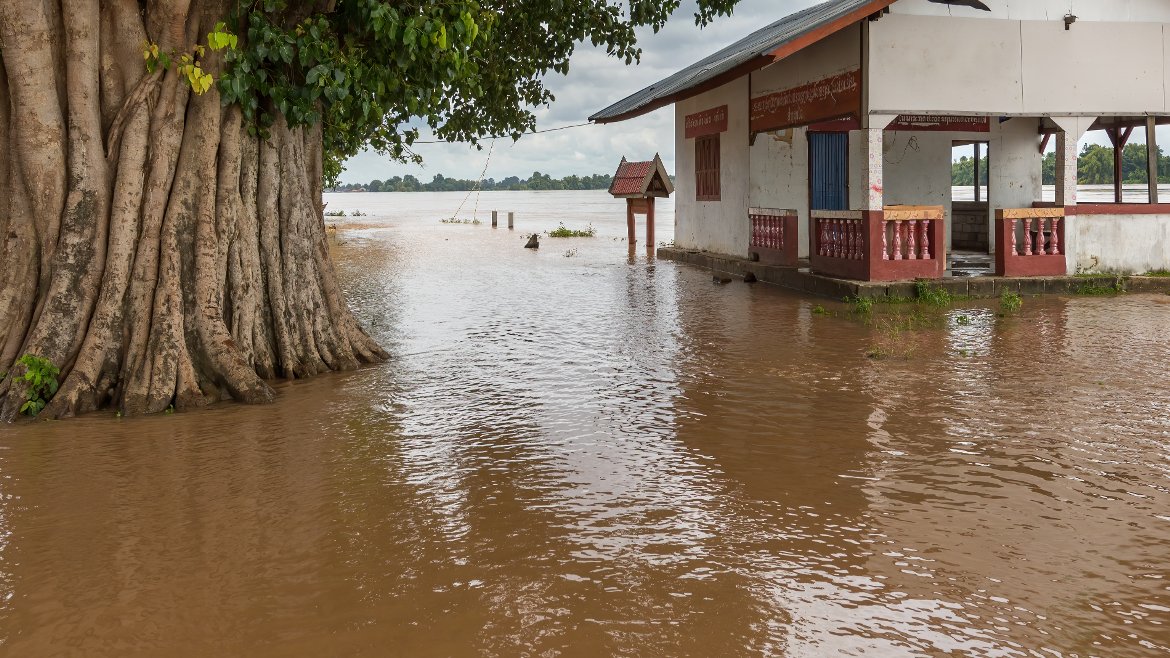
In India, escalating climate change is intensifying floods, disproportionately affecting marginalized communities. These vulnerable groups face heightened risks as extreme weather events become more frequent and severe.
My Take
The escalating climate crisis in India is not just an environmental issue; it's a glaring social injustice. Marginalized communities are bearing the brunt of these disasters, yet their voices remain largely unheard in policy-making processes. It's high time that the government and international bodies prioritize these communities, ensuring they have the resources and support needed to withstand and recover from climate-induced calamities. Furthermore, the current response strategies are insufficient. Strengthening infrastructure and promoting renewable energy are commendable, but they must be coupled with targeted efforts to uplift the most vulnerable. This includes providing access to education, healthcare, and economic opportunities. Only then can we hope to build a truly resilient society that leaves no one behind.
What Happens Next
The Indian government is expected to intensify efforts to strengthen infrastructure and implement climate adaptation strategies. International organizations will likely increase support, focusing on inclusive programs that address the needs of marginalized communities. However, without sustained political will and community engagement, these initiatives may fall short of achieving meaningful impact.