On March 25, 2026, a tragic accident unfolded in Bangladesh's Rajbari district when a bus carrying approximately 50 passengers plunged into the Padma River. The bus was en route to Dhaka from Kushtia, transporting workers returning after the Eid al-Fitr festival. As the bus attempted to board a ferry, it lost control and fell into the river. Many passengers managed to swim to safety, but others became trapped inside. Rescue operations faced significant challenges due to strong river currents and rain. A rescue vessel eventually retrieved the submerged bus, and emergency teams worked through the night to recover the bodies. By Thursday morning, at least 18 bodies had been recovered, including those of ten women and two children. Authorities have not confirmed whether any individuals remain missing. The Padma River, a major waterway in Bangladesh, has been the site of several accidents in recent years. In March 2026, a tanker carrying 24,000 liters of soybean oil sank in the Padma River near the Paturia ferry ghat in Manikganj. The tanker was traveling to Narayanganj from Jashore when it lost control and plunged into the river. The driver and his assistant were injured and rescued by the local fire service. The tanker was recovered after 16 hours with assistance from the Bangladesh Inland Water Transport Authority (BIWTA) and the local fire service. The soybean oil inside the tanker was recovered intact. Ferry services on the Padma River have also faced disruptions due to adverse weather conditions. In December 2025, dense fog led to the suspension of ferry services on key river routes across the Padma and Jamuna rivers. The Paturia-Daulatdia route was halted at 7:15 pm as thick fog blanketed the Padma River, making navigation unsafe. Similar conditions led to the suspension of ferry services on the Aricha-Kazirhat route. Authorities stated that ferry operations would resume once visibility improved and navigation became safe. The Padma River's challenging conditions have been a persistent issue for transportation in the region. The river's strong currents and unpredictable weather patterns pose significant risks to ferry and road transport. The recent bus accident highlights the need for improved safety measures and infrastructure to prevent such tragedies in the future. In response to these challenges, the Bangladesh government has been undertaking infrastructure projects to enhance transportation safety. The Padma Bridge, a major infrastructure project, was inaugurated on June 25, 2022. The 6.15-kilometer two-level road-rail bridge connects 21 southwestern districts to Dhaka and the eastern half of the country. Before the bridge, crossing the Padma meant ferry waits that could stretch to four days during peak flooding. The bridge aims to reduce travel time and improve safety for travelers. However, the recent bus accident indicates that more work is needed to ensure the safety of transportation in the region. The Padma Barrage, a proposed dam located in Rajbari and Pabna districts, is another project aimed at addressing water management issues in the region. The barrage is planned to store water during the dry season and generate electricity. The first part is scheduled to be completed in 2031, with the second part planned to start in 2028 and be completed by 2034. The project aims to address water scarcity and improve agricultural productivity in the region. However, the project's completion is still several years away, and immediate measures are needed to address the current transportation challenges. The recent bus accident serves as a stark reminder of the ongoing transportation challenges in Bangladesh. While infrastructure projects like the Padma Bridge and Padma Barrage are steps in the right direction, immediate measures are needed to ensure the safety of travelers. Enhanced safety protocols, better weather forecasting, and improved infrastructure are essential to prevent such tragedies in the future.
 🌍 world
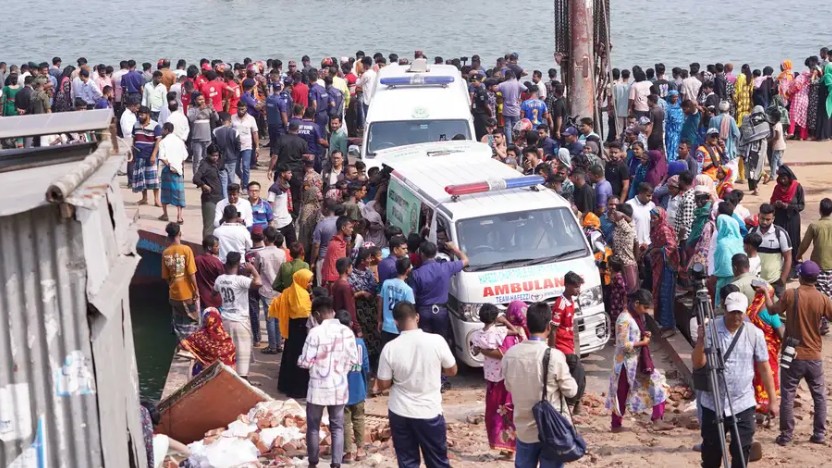
Bangladesh Bus Plunges into Padma River, 18 Dead
A bus carrying about 50 passengers fell into the Padma River in Bangladesh's Rajbari district, resulting in at least 18 fatalities. The incident occurred as the bus attempted to board a ferry en route to Dhaka from Kushtia, following the Eid al-Fitr festival. Many passengers managed to swim to safety, but others became trapped inside. Rescue efforts were hampered by strong river currents and rain. A rescue vessel eventually retrieved the submerged bus, and emergency teams worked through the night to recover the bodies. Among the deceased were ten women and two children. Authorities have not confirmed whether any individuals remain missing.
My Take
The recent bus accident in Bangladesh's Rajbari district is a tragic reminder of the persistent transportation challenges in the region. While infrastructure projects like the Padma Bridge and the proposed Padma Barrage are commendable, they are long-term solutions that do little to address the immediate safety concerns of travelers. The government's focus on large-scale projects often overlooks the pressing need for enhanced safety measures and infrastructure improvements in the short term. It's time for authorities to prioritize the safety of citizens over grandiose projects and ensure that transportation systems are safe, reliable, and accessible for all. The Padma River's treacherous conditions have been well-documented, yet accidents continue to occur. This suggests a systemic failure in addressing the root causes of these incidents. The reliance on ferry services, despite their inherent risks, underscores the lack of viable alternatives for travelers. The government's emphasis on mega-projects like the Padma Bridge, while important, should not come at the expense of addressing the immediate needs of the population. It's imperative that authorities balance long-term development with short-term safety measures to prevent further loss of life. In conclusion, the recent bus accident is a wake-up call for Bangladesh to reassess its transportation priorities. While infrastructure development is crucial, it should not overshadow the urgent need for improved safety measures and infrastructure that directly impact the daily lives of citizens. The government must take immediate action to ensure that transportation systems are safe, reliable, and capable of preventing such tragedies in the future.
What Happens Next
In the aftermath of the bus accident, authorities are likely to conduct a thorough investigation to determine the exact cause and implement measures to prevent similar incidents in the future. This may include reviewing ferry boarding procedures, enhancing safety protocols, and improving infrastructure around ferry terminals. Additionally, there may be increased public awareness campaigns to educate travelers about safety measures when using ferry services. However, given the history of transportation challenges in the region, it remains to be seen whether these measures will lead to significant improvements in safety. The government may also expedite the completion of infrastructure projects like the Padma Barrage to address water management issues that contribute to transportation challenges. However, given the projected completion dates of 2031 and 2034, these projects may not provide immediate relief. Therefore, it is crucial for authorities to implement short-term solutions to enhance transportation safety and prevent further loss of life.