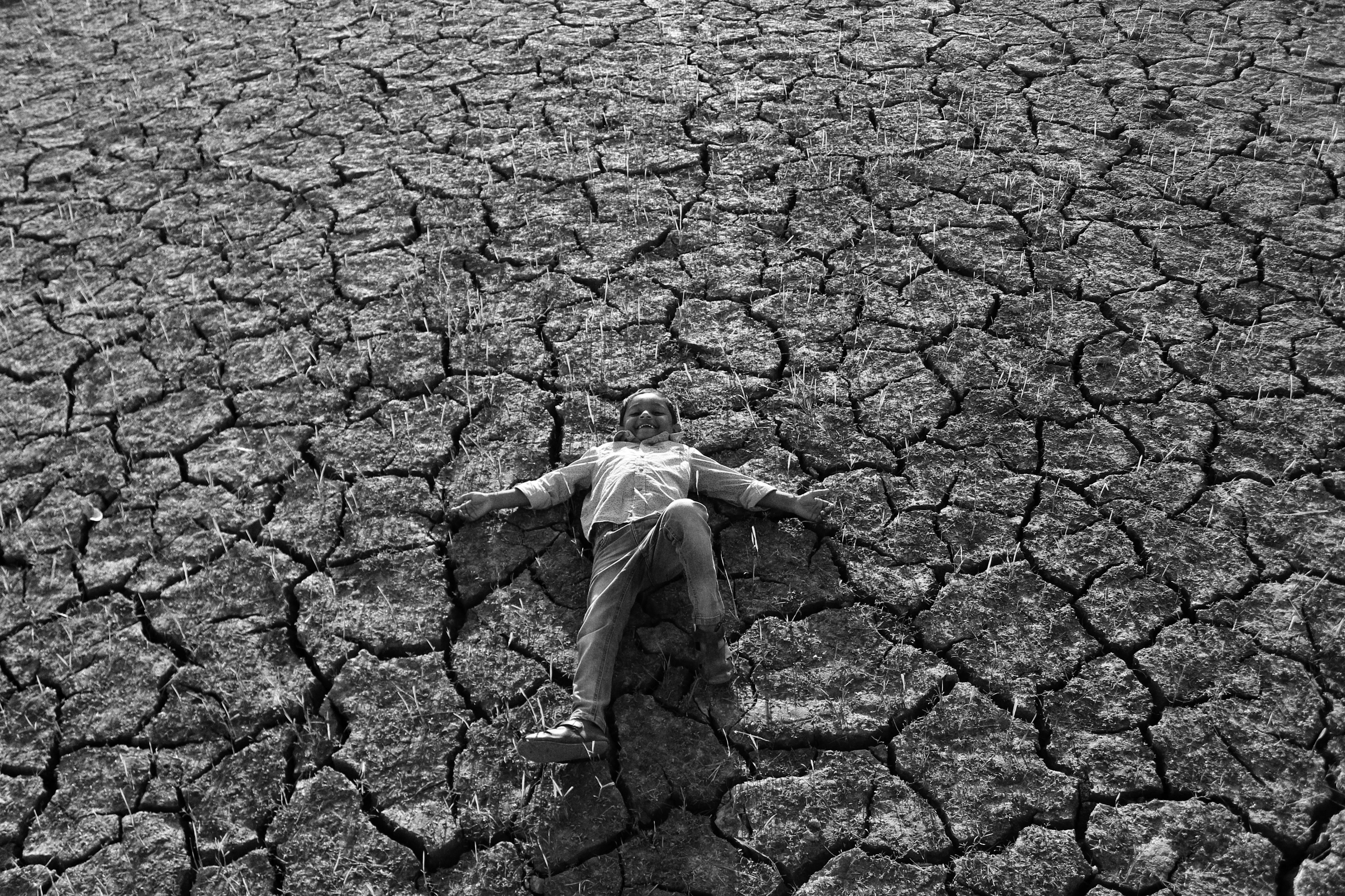
El Niño, which means 'The Little Boy' or 'Christ Child' in Spanish, is the periodic warming of sea surface temperatures in the central and eastern Pacific Ocean. It is intensifying, leading to unprecedented global temperature spikes and extreme weather events. The United Nations Secretary-General has raised alarms, stating that this phenomenon is 'fuelling a planet already on fire.' The current El Niño event is not just a statistical anomaly; it's a harbinger of the future. Scientists have observed that each successive El Niño is becoming more potent, a trend linked to the escalating impacts of climate change. This intensification is causing record-breaking heatwaves, devastating wildfires, and severe droughts worldwide. In the United States, the West Coast is grappling with some of the most severe wildfires in recent history. California, Oregon, and Washington have declared states of emergency as fires rage uncontrollably, threatening communities and wildlife. The Pacific Northwest, typically known for its temperate climate, is now experiencing scorching temperatures and dry conditions, making it a tinderbox ready to ignite. Meanwhile, in the Southern Hemisphere, Australia is bracing for another catastrophic bushfire season. The combination of El Niño's warming effects and the country's prolonged drought conditions has created a perfect storm for wildfires. Indigenous communities, who have long practiced fire management techniques, are witnessing their ancestral lands consumed by flames, highlighting the urgent need for climate adaptation strategies. Worst-case scenarios of an intensifying El Niño event include widespread crop failures, exacerbated poverty and hunger, severe water shortages, and massive economic downturns. Infrastructure damage from extreme weather could become commonplace, and health crises stemming from heatwaves and poor air quality pose significant threats to human well-being. The economic ramifications are staggering. The agricultural sector faces crop failures due to droughts and heat stress, leading to food shortages and soaring prices. Insurance companies are reeling from the financial burden of covering climate-related disasters, and governments are scrambling to allocate resources for disaster response and recovery. In response, the United Nations is calling for immediate global action. The Secretary-General has urged nations to accelerate efforts to reduce greenhouse gas emissions and invest in climate resilience. However, political inertia and vested interests continue to impede meaningful progress, leaving the planet vulnerable to further climatic upheavals. The intensifying El Niño serves as a stark reminder of the interconnectedness of global climate systems and the urgent need for coordinated international action. Without substantial mitigation and adaptation efforts, the world can expect more frequent and severe climate events, challenging the resilience of societies and ecosystems alike.
 🌍 world
El Niño's Fury: UN Chief Sounds Alarm
El Niño's intensifying grip is setting the planet ablaze, warns UN chief. Global temperatures soar, and climate chaos ensues.
My Take
The escalating El Niño is a wake-up call we can't afford to snooze. It's not just a weather pattern; it's a symptom of a planet in distress. The UN's warning should be a rallying cry for immediate action. Yet, political leaders remain mired in bureaucracy, more concerned with short-term gains than long-term survival. It's time to prioritize the planet over profits and take bold steps to combat climate change before it's too late.
What Happens Next
If current trends continue, we can expect more frequent and severe El Niño events, leading to widespread environmental and economic disruptions. Governments and international organizations must prioritize climate action, invest in sustainable infrastructure, and implement policies to reduce greenhouse gas emissions. Failure to act decisively will result in irreversible damage to ecosystems and human societies.
What History Tells Us
El Niño events have been occurring for centuries, but their frequency and intensity have increased in recent decades, correlating with global warming trends. Historical records show that severe El Niño events have led to significant societal impacts, including crop failures, economic downturns, and geopolitical tensions over resources.
Market Impact
The intensifying El Niño is expected to disrupt global markets, particularly in agriculture and insurance sectors. Crop failures and increased disaster recovery costs will lead to higher food prices and economic instability. Investors should brace for volatility and consider diversifying portfolios to mitigate climate-related risks.