Stève Stievenart, a French extreme swimmer from Wimereux, has achieved a remarkable milestone by becoming the first person to complete the 'Triple Crown of the End of the World.' This series of grueling swims includes the English Channel, the Catalina Channel, and the 20 Bridges double circumnavigation swim. In 2022, Stievenart completed a two-way crossing of the Catalina Channel in 28 hours, 45 minutes, and 48 seconds, marking him as the first man to achieve the Double Triple Crown. His latest accomplishment took place on April 19, 2026, when he successfully navigated the 43-kilometer stretch of the Rio de la Plata in Argentina. This swim, which took nearly 18 hours, was the final challenge in the 'Triple Crown of the End of the World,' a term that underscores the extreme conditions and remoteness of these swims. The Rio de la Plata, formed by the confluence of the Paraná and Uruguay rivers, is known for its strong currents and cold temperatures, making it a formidable challenge for even the most seasoned swimmers. Stievenart's achievement is not just a testament to his physical endurance but also to his mental fortitude. Swimming in such remote and challenging environments requires meticulous planning, adaptability, and a deep understanding of the risks involved. His success has inspired many in the open water swimming community and has brought attention to the sport's extreme disciplines. The 'Triple Crown of the End of the World' is a relatively new concept in the world of extreme swimming, and Stievenart's completion of it sets a high bar for future swimmers. It also highlights the growing interest in exploring and conquering some of the most challenging and least explored bodies of water on the planet. As more swimmers aim to replicate Stievenart's success, it is likely that these extreme swims will gain more recognition and perhaps even lead to the establishment of new records and challenges in the sport. Stievenart's journey also raises questions about the environmental impact of such extreme sports. While these swims are a testament to human endurance and spirit, they also bring attention to the preservation of these unique aquatic environments. The Rio de la Plata, for instance, is home to diverse ecosystems that could be affected by increased human activity. As the popularity of extreme swimming grows, it will be important to balance the pursuit of personal achievements with the responsibility of environmental stewardship.
 ⚽ sports
French Swimmer Conquers 'Triple Crown of the End of the World'
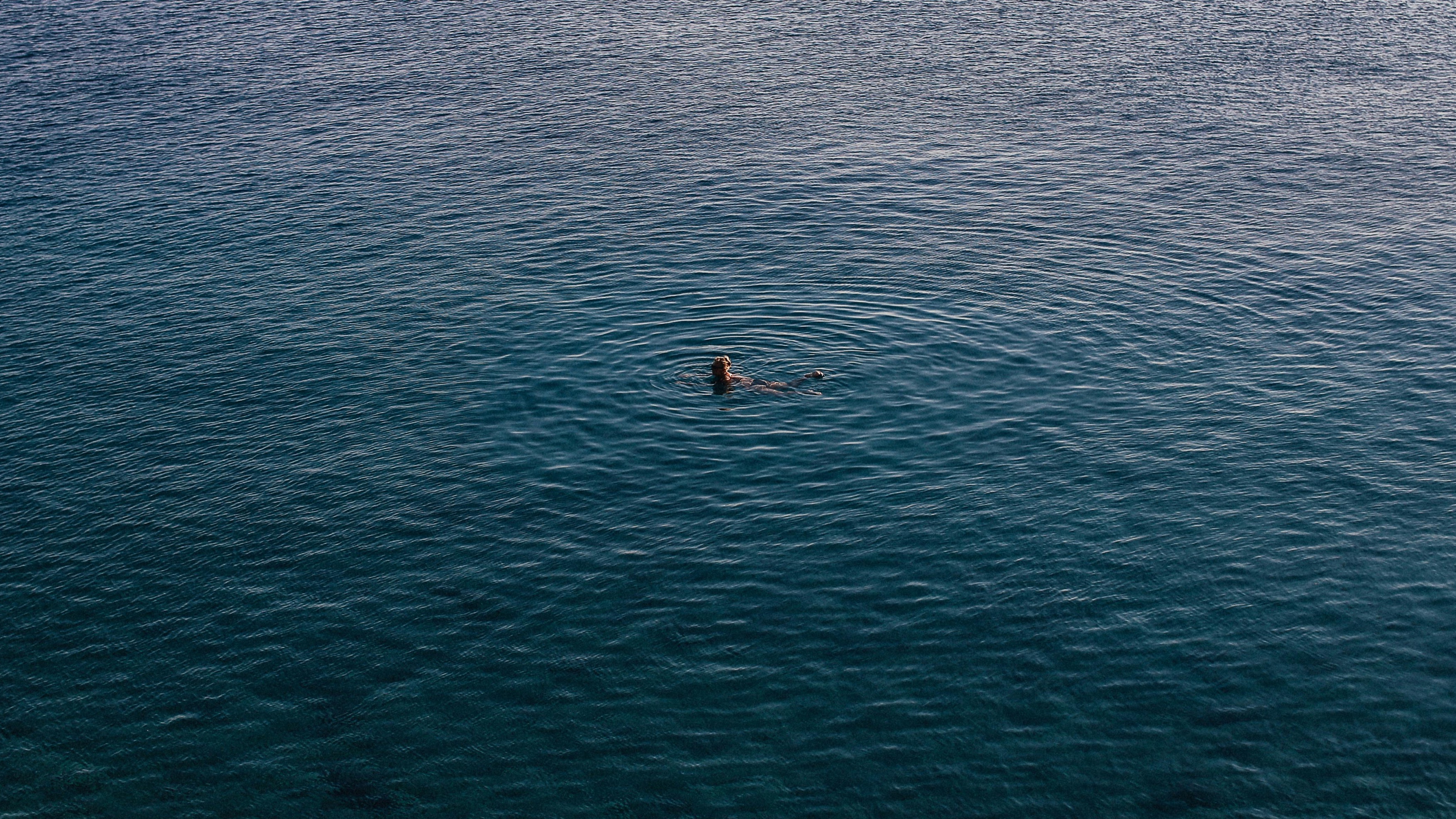
Stève Stievenart, known as 'Stève the Seal,' has become the first person to complete the 'Triple Crown of the End of the World,' a series of extreme swimming challenges in the southernmost parts of the world. His latest feat was a 43-kilometer swim across the Rio de la Plata in Argentina, completed in 17 hours, 59 minutes, and 33 seconds.
My Take
Stève Stievenart's latest achievement is a monumental testament to human endurance and determination. Completing the 'Triple Crown of the End of the World' is no small feat, and it places Stievenart in a league of his own in the world of extreme sports. His success is not just about physical prowess but also about mental resilience and the ability to push the boundaries of what is considered possible. However, as we celebrate such individual accomplishments, it's crucial to consider the broader implications. Extreme sports like these often take place in fragile and remote environments. The increased attention and activity can lead to environmental degradation and disrupt local ecosystems. While Stievenart's swims are impressive, they also serve as a reminder of the delicate balance between human ambition and environmental preservation. In the future, as more athletes attempt similar feats, there should be a concerted effort to ensure that these activities are conducted responsibly. This includes thorough environmental assessments, adherence to strict guidelines, and a commitment to minimizing the ecological footprint. Only by doing so can we continue to celebrate human achievements without compromising the natural world that makes them possible.
What Happens Next
Following Stievenart's groundbreaking achievement, the open water swimming community is likely to see a surge in interest in extreme swims, particularly those in remote and challenging locations. This could lead to the establishment of new records and challenges, as swimmers seek to replicate or surpass Stievenart's feats. However, this increased interest may also bring about greater scrutiny regarding the environmental impact of such activities. Conservationists and environmentalists may advocate for stricter regulations and guidelines to ensure that these extreme sports do not harm the delicate ecosystems they traverse. In response to these concerns, organizations governing open water swimming may implement more comprehensive environmental assessments and promote sustainable practices among athletes. This could include mandatory environmental education, adherence to specific routes to minimize ecological disruption, and collaboration with local communities to ensure that the benefits of such events are shared and that any negative impacts are mitigated.
What History Tells Us
Extreme swimming challenges have a long history, with swimmers like Gertrude Ederle and Diana Nyad pushing the boundaries of what is possible. Stievenart's achievements build upon this legacy, taking on some of the most formidable and least explored bodies of water on the planet. The concept of the 'Triple Crown' in swimming is inspired by similar challenges in other sports, such as horse racing, where athletes aim to win three major events. Stievenart's completion of this 'Triple Crown of the End of the World' sets a new precedent in the sport and may inspire future generations to pursue similar feats.
Market Impact
While Stievenart's achievements are primarily of interest to the sports and adventure communities, they also have potential implications for tourism and local economies in the regions where these swims take place. Increased attention to remote areas could lead to a boost in eco-tourism and related industries. However, this influx could also strain local resources and infrastructure. It's essential for local governments and communities to plan and manage this growth carefully to ensure that it benefits the local economy without compromising the environment or quality of life for residents.