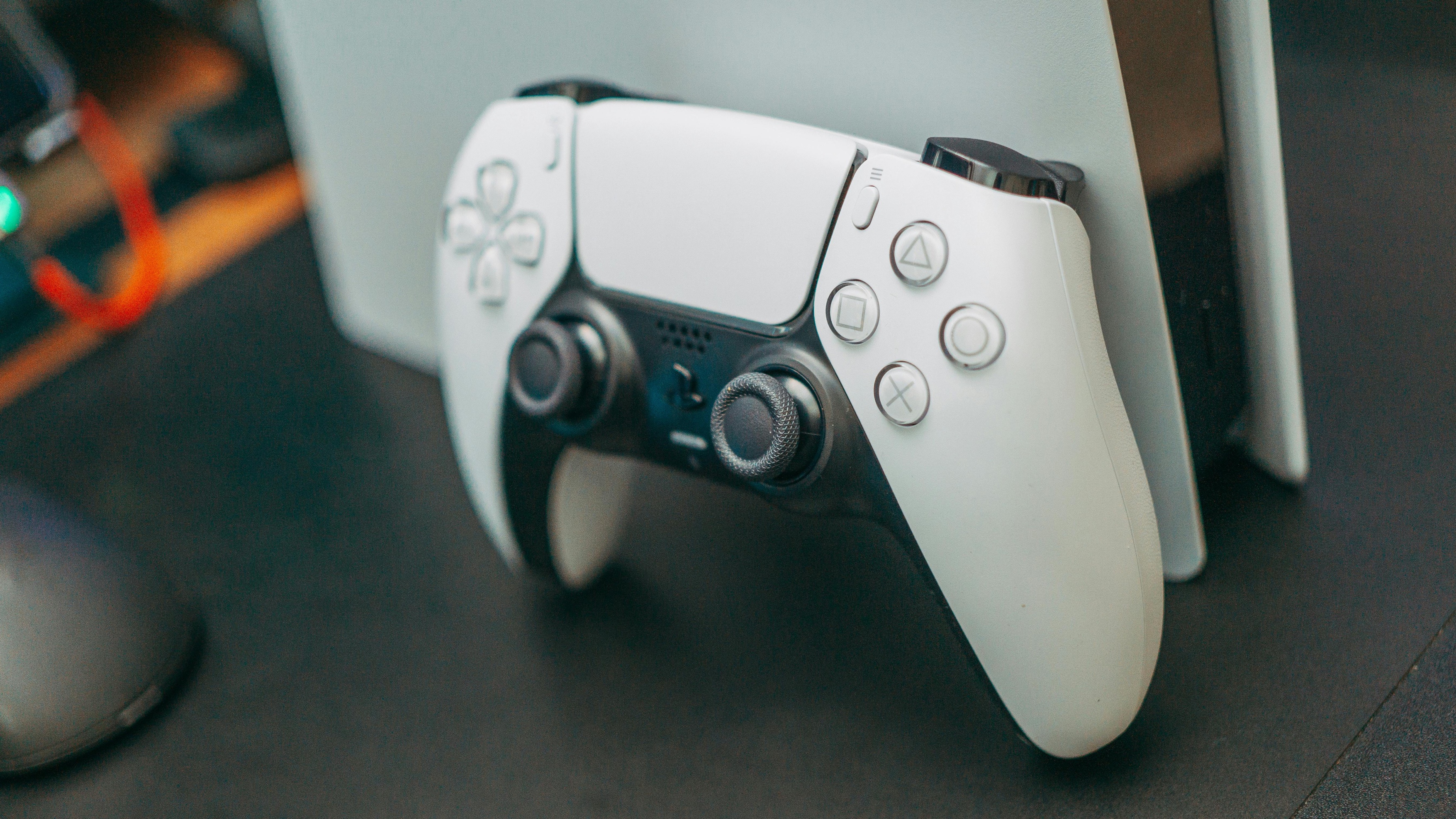
A user going by Dung3onlord just cracked open a fascinating workaround for capturing 3D game content without touching a single line of code or reverse-engineering proprietary assets. The method is beautifully simple. Fire up any modern game with a photo mode feature on PlayStation 5, hide the user interface, set the camera to orbit slowly around a character or scene, and record the resulting video. That video is essentially a continuous stream of high-resolution screenshots from multiple angles, which becomes the raw material for 3D reconstruction. The magic happens when those screenshots get fed into photogrammetry software, the same kind of tools archaeologists and architects use to turn regular photos of real-world objects into detailed 3D models. Photogrammetry algorithms analyze how the same features appear from different camera positions, calculating depth information and generating a point cloud, essentially millions of individual dots in 3D space that represent the surface of whatever was photographed. In this case, it is a video game character or environment. Clean up the point cloud, strip out the background, and you have got extractable 3D data. Dung3onlord takes it a step further by converting the point cloud into a gaussian splat, a newer rendering technique that represents 3D scenes as collections of colored, semi-transparent blobs rather than traditional polygons. Gaussian splats are computationally lightweight and produce incredibly smooth, organic-looking results that hold up well when viewed from any angle. The technique has exploded in popularity over the past couple years because it handles complex lighting and textures better than traditional 3D meshes while requiring far less processing power, making it perfect for VR headsets where frame rate is critical. What makes this approach legally and technically interesting is that it never touches the game's actual asset files. Traditional game ripping involves extracting models, textures, and animations directly from memory or game files, often violating terms of service and potentially copyright law. This method only captures what the game deliberately displays on screen, the same images any player sees during normal gameplay. It is the equivalent of taking a photo of a sculpture in a museum versus stealing the sculpture itself. Whether game publishers will see it that way remains an open question, but the technique exists in a legal gray zone that is harder to challenge. The practical applications extend beyond just admiring your favorite game characters in VR. Modders could use this to create fan art or reference materials. Game developers might study competitor titles. Educators could extract historical game environments for preservation or academic study. The technique works on any game with a robust photo mode, and as more titles add cinematic camera tools to satisfy screenshot-obsessed players, the library of extractable content grows daily.
 💻 technology
Gamers Can Rip 3D Worlds Using Screenshot Hack
A clever gamer figured out how to extract full 3D scenes from PlayStation 5 games using nothing but the built-in photo mode and free software. No hacking required, just screenshots and photogrammetry tools that turn orbiting camera videos into navigable 3D environments you can explore in VR (Virtual Reality).
My Take
This is genuinely clever problem-solving, the kind of lateral thinking that makes hacker culture so valuable. Dung3onlord looked at existing tools designed for completely different purposes, photogrammetry software meant for digitizing real-world objects, and realized they could be repurposed to capture virtual worlds. It is a perfect example of how constraints breed creativity. When you cannot access the actual 3D files, you build them yourself from what you can see. But let's not pretend this stays niche for long. Once word spreads that anyone with a PS5 and free software can extract high-quality 3D assets from premium games, we are going to see an explosion of ripped content flooding model-sharing sites, VR chat worlds, and unauthorized merchandise. Game publishers are already nervous about AI (Artificial Intelligence) training on their content without permission. Now imagine every meticulously crafted character and environment getting scraped, remixed, and redistributed by fans who insist they are just appreciating the art. The legal battles over what constitutes fair use of publicly displayed game content are going to be spectacular, and I am here for every minute of it.
What Happens Next
Expect game developers to start crippling photo mode features in upcoming titles, restricting camera movement ranges or adding watermarks that poison the photogrammetry algorithms. Sony might even push a PlayStation 5 firmware update that limits how many rapid screenshots users can capture in sequence, disguised as a performance optimization. The more interesting scenario is that some indie studios embrace this, deliberately designing their photo modes to work better with extraction tools and encouraging players to create derivative works. A few forward-thinking publishers could turn this into marketing gold, imagine official gaussian splat galleries where players share their favorite captured scenes, essentially free advertising for the game. Within six months we will see the first cease-and-desist letter targeting someone who posted extracted models online, and that is when the real fight over who owns images of virtual spaces begins. Meanwhile, modders are already working on automated capture rigs that can systematically photograph entire game worlds while the player sleeps, building massive 3D archives of gaming history before publishers figure out how to stop them.
Market Impact
Unity Software (U), currently trading around $19 after a brutal year that saw the stock drop over 40%, could see renewed interest if developers start building tools specifically for game scene extraction and VR viewing. The company has pivoted hard toward real-time 3D creation tools and this technique highlights growing demand for accessible 3D content pipelines. Meta Platforms (META), trading near $485 after a strong recovery, benefits indirectly as gaussian splat viewing in VR headsets like Quest drives more compelling use cases for their hardware. Look for a modest uptick in VR gaming accessories and software stocks if this technique goes mainstream. On the bearish side, companies like Sketchfab or TurboSquid that sell licensed 3D models could face pressure if free extracted game content floods the market. More immediately, watch for movement in photogrammetry software companies, though most are private. The technique also validates Nvidia's (NVDA) bet on graphics tech that handles point clouds and gaussian splatting efficiently, though at current levels around $950 the stock price already reflects AI dominance rather than gaming innovations.