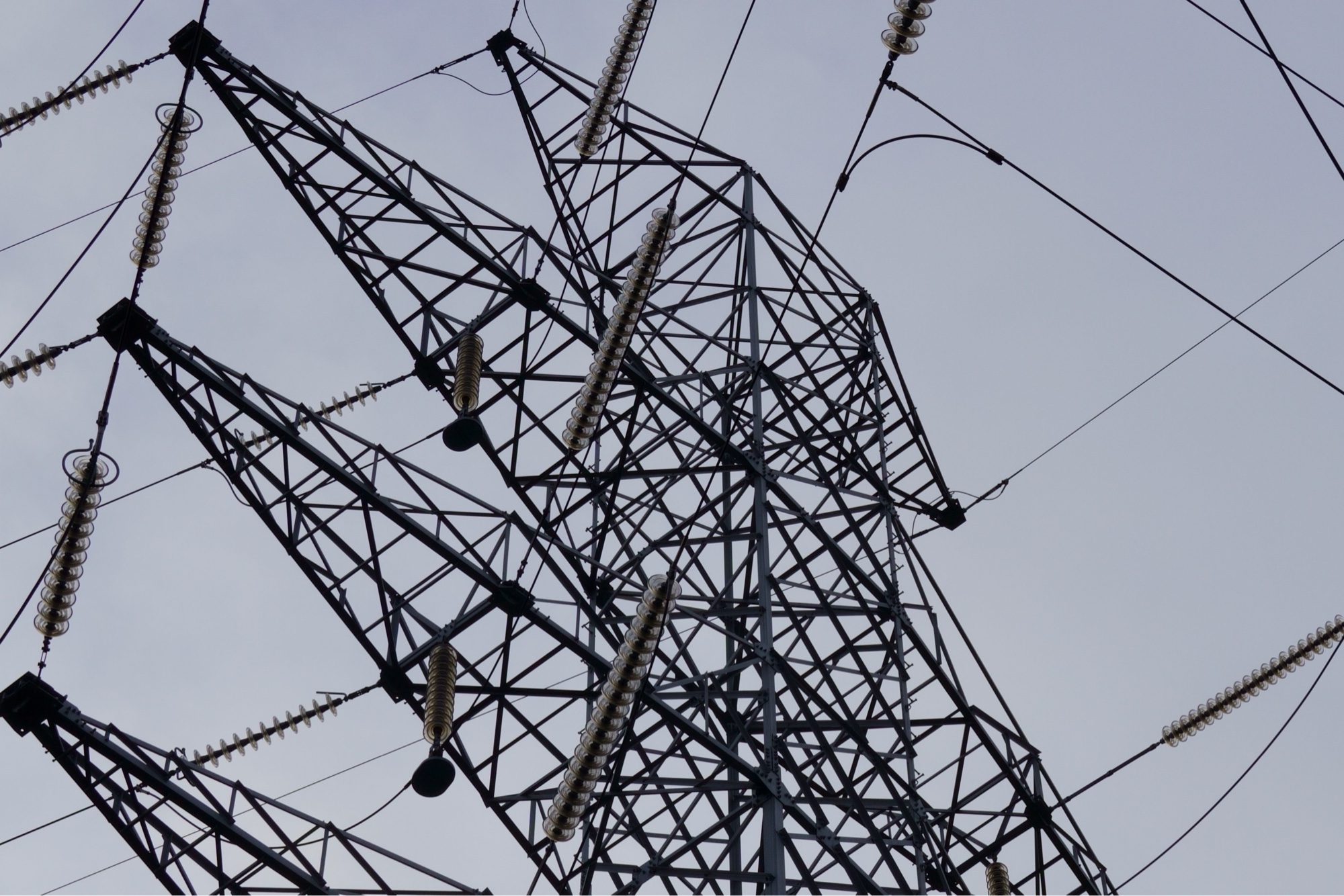
Germany's Interior Minister Alexander Dobrindt didn't mince words on September 4, 2026: This is climate extremism. And he's right. While climate activists have spent years chanting slogans and blocking highways, Daniel V. decided to escalate the fight against fossil fuels by attacking the physical arteries of Germany's energy system. Between September 1 and September 2, multiple electricity substations were hit in coordinated strikes that used improvised explosive devices and homemade rockets to short-circuit power lines near coal-fired plants in Brandenburg and North Rhine-Westphalia. The attacks followed a precise pattern. At the Jänschwalde coal-fired power plant in Brandenburg, authorities discovered more than 20 homemade rockets and timed launch devices near the substation on September 1. The plan was sophisticated: shoot firework-like devices that would propel conductive cables across high-voltage transmission lines, causing massive short circuits and triggering blackouts at coal plants. Only one device successfully deployed, limiting the damage, but the intent was clear. Hours later in Bergheim, near Cologne, another substation went down when perpetrators deliberately caused a short circuit by placing conductive material over overhead lines. Five lignite power plant units with a combined 4,200 megawatts of capacity were forced offline, though the general power supply remained stable thanks to grid redundancy. Herbert Reul, North Rhine-Westphalia's Interior Minister, was blunt when briefing reporters. The perpetrators didn't cause a broken switch, this was intentional, a criminal act. Investigators are examining two theories: sabotage directed by a foreign government (with Russia as the obvious suspect given recent hybrid warfare incidents) or left-wing and climate extremism. Then came the confession letters. Daniel V., a 48-year-old from Gevelsberg in western North Rhine-Westphalia, sent detailed descriptions of his attack plans to security officials and media outlets, citing his motive as the fight against fossil fuels. When police raided his apartment, they found suspicious substances and suspected explosive materials or devices, confirming the letters were authentic. The manhunt took a dramatic turn on September 4 when heavily armed elite police stormed a truck in Hambach Forest, the totemic battleground of Germany's climate movement. For years, activists occupied treehouses in this ancient woodland to block its destruction for RWE's lignite mine expansion. Finding Daniel V.'s truck there was no accident, it was a symbolic middle finger to the energy establishment. But the suspect slipped away, and as of September 5, he remains at large. The choice of Hambach wasn't tactical, it was theatrical. This is someone who wants his actions understood as part of a broader climate resistance narrative, not random vandalism. Germany's vulnerability is now on full display. The country has faced escalating infrastructure attacks throughout 2026. In January, arson at a Berlin power station left 45,000 households and 2,200 businesses without power for four days, the longest blackout since 1945. The far-left Vulkangruppe (Volcano Group) initially claimed responsibility, though they later distanced themselves from the attack. In August, a drone loaded with explosives and a detonator was discovered on a runway at Leipzig-Halle Airport, an incident German authorities have attributed to Russia. Now comes Daniel V., blending climate militancy with infrastructure sabotage tactics that could have been lifted from a hybrid warfare playbook. The question investigators are grappling with: Is this a lone wolf with bomb-making skills and a grudge against coal, or is there foreign coordination hiding behind the eco-extremist cover story? What makes these attacks particularly alarming is their technical sophistication combined with easily accessible materials. Homemade rockets, fireworks rigged as launchers, conductive cables, all low-cost, hard-to-trace, and devastatingly effective when aimed at the right chokepoints. Germany's new KRITIS-Dachgesetz (Critical Infrastructure Umbrella Law), which came into force in March 2026 and requires about 2,000 operators to register and prove their security measures against physical sabotage, was supposed to prevent exactly this scenario. But laws can't protect every kilometer of exposed transmission line or remote substation. As one energy security expert noted, redundancy is the only real defense, not cameras and fences.
 🌍 world
Germany's Grid Under Siege by Climate Vigilante
A 48-year-old climate activist has turned Germany's power infrastructure into a battlefield, launching coordinated attacks on coal-fired substations this week while authorities scramble to find him. Daniel V., who sent letters bragging about his sabotage and whose apartment was stocked with explosives, is now on the run after elite police stormed his truck in the symbolic Hambach Forest but came up empty-handed. This isn't protest anymore, it's infrastructure terrorism with an eco-friendly manifesto.
Fact checked - 14 claims 5 Sept 2026 · 13 with sources
My Take
Let's be honest about what's happening here. Daniel V. isn't a protestor, he's a terrorist who traded his conscience for explosives. Climate change is real, the science is settled, and the urgency is undeniable. But the moment you start bombing power grids, you've lost the moral high ground and become the thing you claim to oppose: someone who prioritizes ideology over human welfare. Hospitals run on electricity. Dialysis machines, ventilators, insulin refrigeration, all depend on the grid Daniel V. tried to sabotage. He wasn't targeting RWE's boardroom, he was gambling with the lives of ordinary people who have no say in energy policy. What's worse is the copycat risk this creates. Germany has now seen left-wing extremists torch power lines in Berlin, suspected Russian operatives plant bombs at airports, and climate militants launch rockets at substations, all in the span of eight months. Every successful attack, even if it fails to cause widespread blackouts, is a proof of concept for the next attacker. The technical barrier to entry is shockingly low: consumer fireworks, hardware store cables, and a grudge. Meanwhile, Germany's political establishment is caught in a bind. Dobrindt and Reul can beef up security and crack down on extremism, but they can't fix the underlying vulnerability of a sprawling electrical infrastructure that was never designed to withstand coordinated attacks by motivated saboteurs. The inconvenient truth is that Germany's Energiewende (energy transition) has been slow, chaotic, and politically fraught, creating the perfect breeding ground for radicalization on both sides. Coal was supposed to be phased out faster, renewables were supposed to be cheaper and more reliable, and none of it has gone to plan. That frustration doesn't justify violence, but it explains why someone like Daniel V. might convince himself that blowing up substations is a form of climate justice. It's not. It's nihilism dressed up in green.
What Happens Next
The manhunt for Daniel V. will intensify, with federal and state police combing the Hambach Forest region and monitoring climate activist networks. Expect raids on known eco-militant safe houses and increased surveillance of infrastructure protest camps. Given that explosives were found in his apartment and he sent detailed attack plans to media, prosecutors will likely pursue terrorism charges if he's caught, not just sabotage or arson. The question is whether he's working alone or has a support network helping him evade capture. If it's the latter, we could see more arrests in the coming weeks. Politically, this incident will turbocharge Germany's crackdown on left-wing extremism, which was already ramping up after the January Berlin blackout. Dobrindt, a conservative hardliner on migration and security, will use this to push for expanded surveillance powers and tougher sentences for infrastructure attacks. The far-right Alternative for Germany (AfD), which is polling strongly ahead of state elections, will weaponize these incidents to argue that the government has lost control of both external (Russia) and internal (climate militants) security threats. Expect emergency legislation by October to fast-track physical security upgrades at critical energy nodes and harsher penalties for attacks on power infrastructure. Longer term, this exposes the Achilles heel of Europe's energy transition: the more distributed and complex the grid becomes with renewables, the more vulnerable it is to targeted disruption. Every wind farm, solar array, and transmission interconnect is a potential target. Germany will have to choose between the massive cost of hardening thousands of infrastructure sites or accepting that blackouts and sabotage are the new normal. Neither option is politically palatable, which is exactly what makes this so dangerous.
What History Tells Us
Germany's power grid has been a recurring target throughout 2026, marking a disturbing escalation in infrastructure attacks. The January 3, 2026 arson attack on Berlin's Lichterfelde power station caused a four-day blackout affecting over 40,000 households and 2,000 businesses, the longest outage since World War II ended in 1945. That attack was initially claimed by the Vulkangruppe, a far-left extremist network, though the group later distanced itself from the operation, raising questions about false-flag operations or splinter factions. The Hambach Forest, where Daniel V.'s truck was discovered, has been a flashpoint of Germany's climate movement since 2012. Activists occupied treehouses for years to prevent the ancient 12,000-year-old woodland from being cleared for RWE's lignite mine expansion. In 2018, over 7,000 police were deployed to clear the forest, and in 2020 a law was passed to preserve what remained. The forest became a symbol of resistance against coal, making it the perfect hiding spot and statement for a climate militant on the run. The attacks also echo European sabotage patterns seen in 2024-2025, when incendiary devices targeted logistics hubs across Germany, Poland, and the UK, incidents Western intelligence agencies attributed to Russian hybrid warfare campaigns.