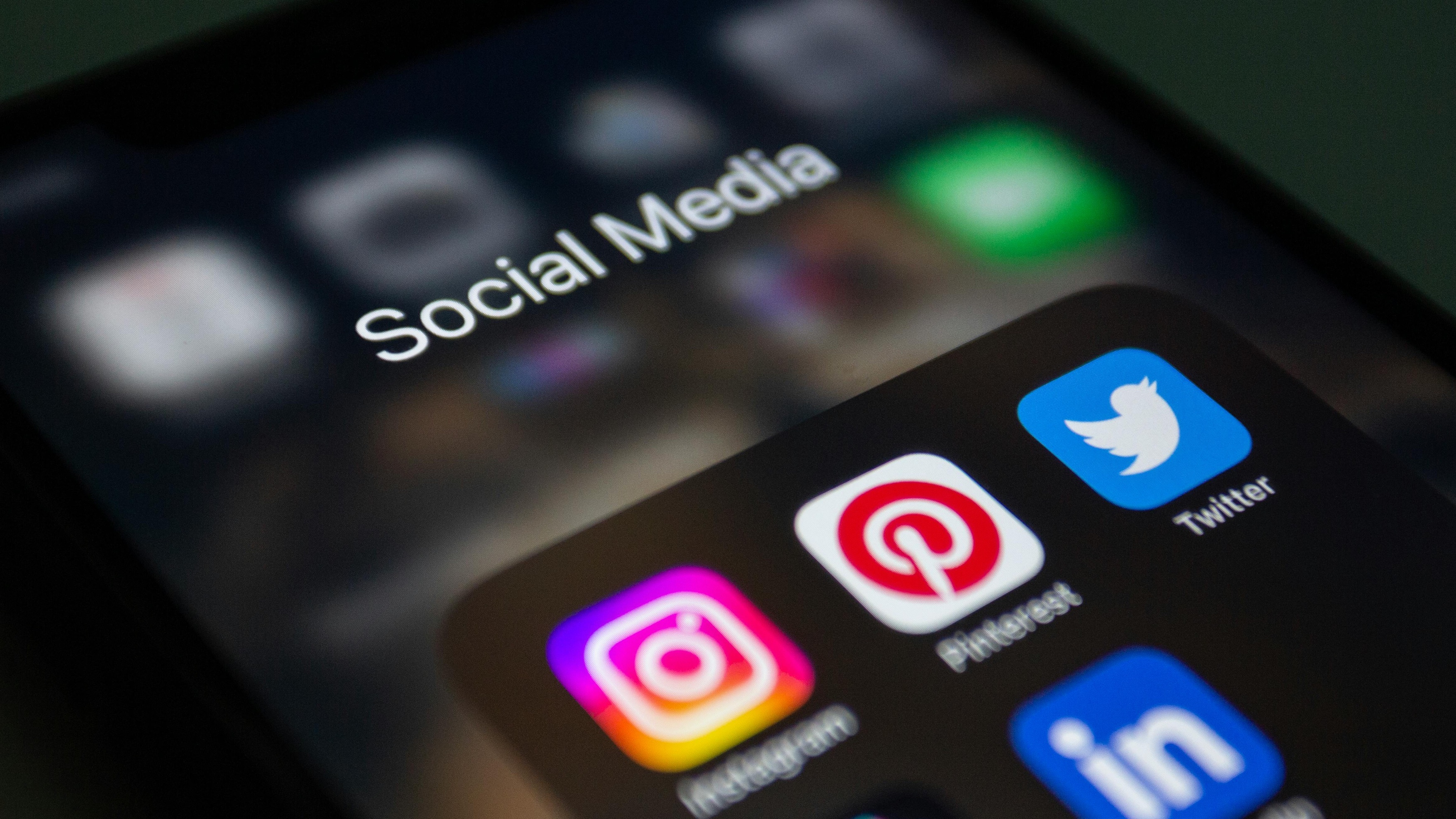
In a bold move to protect its youth, Greece has announced a ban on social media access for individuals under the age of 15, effective January 1, 2027. Prime Minister Kyriakos Mitsotakis delivered the news via a TikTok video, acknowledging that many young people might be upset by the decision but emphasizing the need to address the addictive nature of certain apps. This initiative aligns Greece with a growing trend in Europe, as countries like France and Spain have implemented similar restrictions to safeguard minors from the potential harms of excessive social media use. The decision comes amid mounting concerns over the impact of social media on children's mental health, attention spans, and overall well-being. Data from the Greek Safer Internet Centre indicates that approximately 75% of children using social media in Greece are of primary school age, raising alarms among parents and policymakers. Public support for the measure appears strong, with around 80% of adults reportedly backing restrictions on underage access. Enforcement of the ban will rely on a state-mandated app on every device, ensuring that users under 15 are restricted from accessing social media platforms. While the legislation has been confirmed, further details regarding enforcement mechanisms, age verification systems, and penalties for non-compliance are expected to be outlined in the coming months. The policy is part of a broader effort by the Greek government to address the risks associated with digital platforms and to introduce stronger protections for younger users. Greece's decision also reflects a broader European and global movement towards regulating minors' access to digital platforms. In the United Kingdom, Prime Minister Keir Starmer has signaled a willingness to act on features that encourage excessive use among young people, though a blanket ban has faced opposition from technology companies. Executives at major firms, including Google, have warned that outright bans could push children towards less regulated and potentially more dangerous online spaces. This highlights the delicate balance between protecting children and allowing them to navigate the digital world. The move has sparked a wider debate about the role of social media in children's lives and the responsibilities of both governments and tech companies in ensuring online safety. While some argue that such measures are necessary to protect young people from the negative effects of social media, others contend that they may infringe on personal freedoms and hinder the development of digital literacy skills. As Greece moves forward with this initiative, it will be crucial to monitor its implementation and assess its impact on both the digital landscape and the well-being of its youth.
 🌍 world
Greece Bans Under-15s from Social Media Starting 2027
Greece is set to ban social media access for under-15s starting January 1, 2027, following similar moves in other European countries. Prime Minister Kyriakos Mitsotakis announced the decision in a TikTok video, citing concerns over children's mental health and online safety.
My Take
Greece's decision to ban social media access for under-15s is a commendable step towards protecting children from the pervasive and often harmful effects of digital platforms. In an era where online interactions increasingly shape social dynamics and self-perception, it's imperative that governments take proactive measures to shield their youth from potential exploitation and mental health risks. While some may argue that such restrictions infringe on personal freedoms, the overwhelming public support for this measure indicates a collective recognition of the need for intervention. However, the success of this initiative hinges on effective enforcement and the development of robust age verification systems. The proposed state-mandated app must be foolproof to prevent underage users from circumventing the ban. Additionally, Greece should collaborate with other European nations to establish a unified approach to digital age restrictions, ensuring consistency and fairness across borders. This collective effort could set a precedent for global standards in online safety for minors. Moreover, Greece's move should serve as a catalyst for a broader conversation about the role of social media in society and the responsibilities of tech companies. While platforms like TikTok and Instagram offer avenues for creativity and connection, they also pose significant risks, including exposure to inappropriate content, cyberbullying, and the development of addictive behaviors. It's time for a comprehensive reevaluation of how these platforms operate and how they can be held accountable for the impact they have on young users.
What Happens Next
In the coming months, Greece will focus on developing and implementing the state-mandated app designed to enforce the social media ban for under-15s. This will involve collaboration with tech companies to ensure seamless integration and robust age verification mechanisms. The government will also engage in public awareness campaigns to educate both parents and children about the new regulations and the importance of online safety. Simultaneously, Greece will monitor the reactions of social media platforms and international stakeholders. Tech companies may seek to challenge the ban or propose alternative solutions, leading to potential legal and diplomatic discussions. The European Union may also weigh in, considering the implications of such a ban on digital rights and cross-border data flow. As the implementation date approaches, Greece will assess the effectiveness of the ban through studies on children's mental health and online behavior. Adjustments to the policy may be made based on these findings, ensuring that the measure achieves its intended goals without unintended negative consequences.