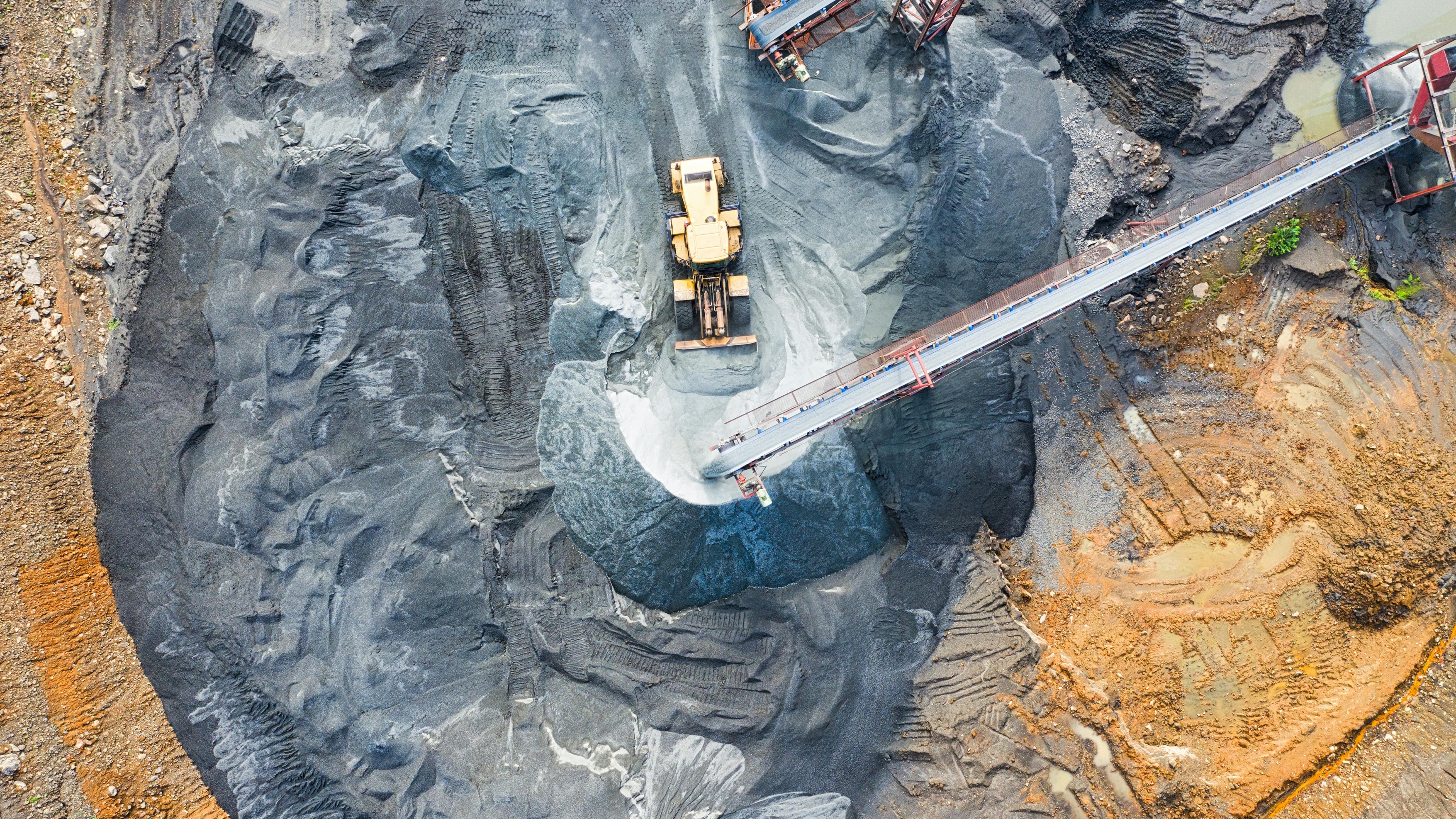
In the relentless pursuit of green technologies, the world is turning a blind eye to the environmental and human toll of mining critical minerals. Lithium, cobalt, and rare earth elements are the lifeblood of electric vehicles, wind turbines, and artificial intelligence (AI) systems. Yet, their extraction is wreaking havoc on ecosystems and communities. Take Chile's Salar de Atacama, for instance. Mining activities consume up to 65% of the region's water, leading to plummeting groundwater levels and the depletion of freshwater aquifers. This isn't an isolated incident. In the Democratic Republic of the Congo (DRC), rivers near cobalt and copper mines have become so acidic that local communities can no longer drink from them, fish stocks have collapsed, and farmlands have been poisoned. The health implications are equally dire. Communities near mining operations report a surge in skin diseases, gastrointestinal illnesses, and reproductive health problems. In Chile's Antofagasta region, cancer mortality rates are nearly three times the national average, with physicians linking these increases to exposure to contaminated water and air. The global demand for these minerals is projected to rise more than 3.4 times by 2040 under the International Energy Agency (IEA) net zero pathway. This escalating demand is intensifying the pressure on already vulnerable regions, exacerbating environmental degradation and social injustices. To address these challenges, a multifaceted approach is essential. Strengthening international governance through binding treaties and enforceable supply chain due diligence laws can ensure that mining operations adhere to environmental and human rights standards. Companies must invest in less water intensive mining technologies and adopt practices that minimize environmental impact. Additionally, empowering local and Indigenous communities through genuine co-governance and fair distribution of benefits can help mitigate the adverse effects of mining activities. The transition to a sustainable future should not come at the expense of the planet and its people. It's imperative to balance technological advancement with environmental stewardship and social responsibility to avoid creating 'sacrifice zones' where the costs of progress are borne by the most vulnerable. In the end, the true cost of green technologies must account for the environmental degradation and human suffering that often accompany the extraction of critical minerals. Only through responsible mining practices and equitable policies can we hope to achieve a genuinely sustainable and just future.
 🔬 science
Green Tech's Dirty Secret: Mining's Hidden Costs
The rush for critical minerals to power green technologies is leaving a trail of environmental destruction and health crises in its wake. Communities are paying the price for our clean energy dreams.
My Take
The pursuit of green technologies is commendable, but it cannot come at the expense of environmental degradation and human suffering. The current model of extracting critical minerals without regard for ecological and social consequences is unsustainable and unethical. It's time for a paradigm shift towards responsible mining practices that prioritize the well being of communities and the health of our planet. Governments, corporations, and consumers must all play a role in demanding and supporting sustainable practices. This includes enforcing stricter regulations, investing in cleaner technologies, and holding companies accountable for their environmental and social impacts. Only by acknowledging and addressing the hidden costs of our technological advancements can we hope to build a truly sustainable and equitable future.
What Happens Next
In response to mounting environmental and social concerns, international bodies are likely to implement stricter regulations on mining operations. This could lead to increased costs for companies and potential disruptions in the supply chain for critical minerals. However, such measures are essential to ensure that the pursuit of green technologies does not come at the expense of the planet and its inhabitants. Companies that adapt to these regulations by adopting sustainable practices may find new market opportunities, while those that resist change could face reputational damage and financial penalties. The future of mining will depend on the industry's ability to balance technological advancement with environmental stewardship and social responsibility.