The glitz and glamour of Washington's annual media prom turned into a security nightmare on April 25, 2026, when gunfire erupted near the main screening checkpoint at the Washington Hilton Hotel. Approximately 2,600 attendees, including President Donald Trump, First Lady Melania Trump, and Vice President J.D. Vance, found themselves diving under dinner tables as Secret Service agents swarmed the ballroom. The shooter never made it past the perimeter, but the psychological damage was instant and severe. Cole Tomas Allen, a 31-year-old California resident, came prepared for carnage. Authorities recovered both a shotgun and a handgun from the scene, suggesting this was no impulsive act. Allen's attempt to breach the security cordon was stopped cold by agents who tackled him before he could reach the main ballroom where the president was seated. One Secret Service agent took a round but walked away with minor injuries thanks to body armor, a detail that likely prevented this from becoming a far darker chapter in presidential security history. President Trump's televised address following the incident struck a familiar tone: praise for his protective detail, condemnation of the violence, and a renewed push for his long-discussed White House ballroom project. The proposal, which would relocate major events like the Correspondents' Dinner to a purpose-built facility on White House grounds, has been criticized as excessive and isolating. But after watching dignitaries scramble for cover at a hotel ballroom, the administration's security hawks will have fresh ammunition for their arguments. The White House Correspondents' Association (WHCA) faces an uncomfortable balancing act. The organization has committed to rescheduling within 30 days, a timeline that seems almost defiant given the circumstances. But the optics matter tremendously. Cancel or delay too long, and it looks like the press corps is retreating from threats. Rush back too quickly, and you risk appearing callous about legitimate security concerns. The WHCA's leadership will be walking a tightrope between maintaining tradition and acknowledging that the threat landscape has fundamentally shifted. The investigation into Allen's background and motivations is still unfolding, but early indicators suggest authorities are treating this as a potential political assassination attempt rather than random violence. The weaponry, the timing, and the target-rich environment all point to premeditation. Whether Allen acted alone or had connections to broader extremist networks will determine how this story evolves. What's already clear is that the 2026 Correspondents' Dinner will be remembered not for jokes and celebrity sightings, but as the night Washington's illusion of controlled access to power came under literal fire.
 🏛️ politics
Gunman Storms White House Press Dinner, Trump Evacuated
A shooting at the White House Correspondents' Dinner led to President Trump's evacuation. The suspect is in custody, and the event is rescheduled.
My Take
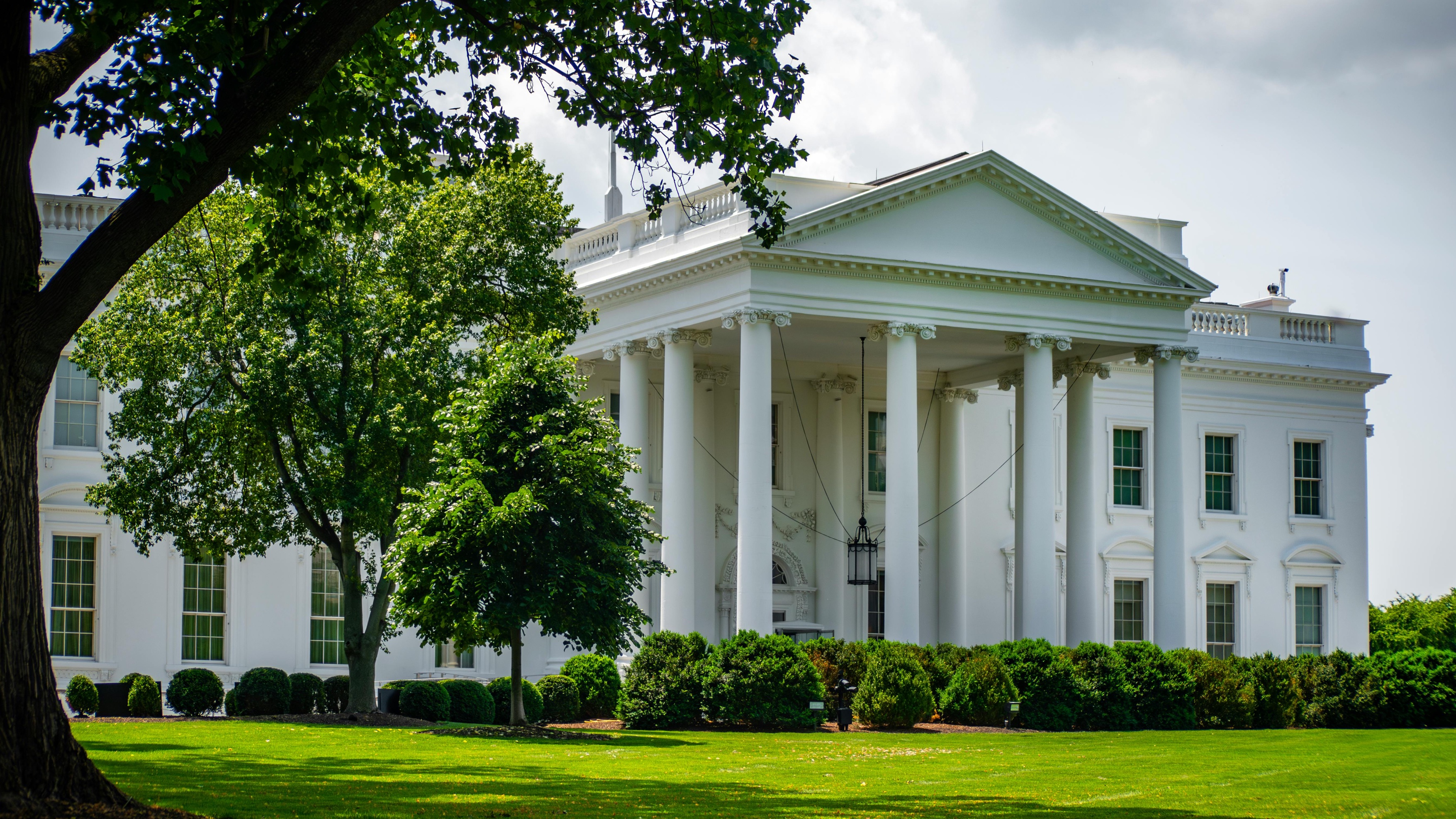
This attack exposes the fundamental tension at the heart of American democracy: how do you protect leaders while maintaining the appearance of accessibility? The Correspondents' Dinner has always been theater, a carefully staged production where politicians and press pretend to be chummy for one boozy evening. But that theater requires physical proximity, and physical proximity creates vulnerability. Trump's White House ballroom proposal will gain serious traction now, and honestly, the security arguments are hard to dismiss. The Washington Hilton has hosted this dinner since 1987 precisely because it's easier to secure than most venues, yet a determined attacker still got close enough to fire shots. Moving the event to White House grounds would create a security perimeter measured in city blocks, not hotel corridors. The downside is equally obvious: it would further isolate the presidency from the press corps it's supposed to engage with, turning a tradition of accountability into a literal fortress event. What bothers me most is how quickly this will be weaponized in partisan narratives. Trump critics will note that his inflammatory rhetoric has consequences. Trump supporters will argue this proves their claims about unhinged opposition. Both will be partly right and entirely predictable. Meanwhile, the actual security reforms needed, things like better coordination between local police and federal protective services, stricter venue vetting protocols, and investment in threat assessment capabilities, will get lost in the culture war noise. The Secret Service deserves genuine credit here. Their response was textbook, and that agent's body armor probably saved lives by preventing the situation from escalating. But one successful intervention doesn't erase the uncomfortable reality: if Cole Tomas Allen got that close, someone with better planning and equipment could get closer. The next attempt might not be stopped at the screening area.
What Happens Next
The Secret Service will immediately implement a full review of security protocols for all presidential events held at non-government facilities, which could fundamentally reshape how and where presidents appear in public. Expect metal detectors to multiply, perimeters to expand, and guest lists to shrink. The Washington Hilton, despite its long relationship with the Correspondents' Dinner, may find itself permanently replaced as the venue. Cole Tomas Allen's arraignment will be a media circus, with prosecutors almost certainly pursuing federal charges that carry life sentences. His social media history, financial records, and known associations will be dissected for evidence of radicalization or coordination with extremist groups. If investigators find ties to organized movements, domestic terrorism charges could follow, setting up a legal battle that stretches years. President Trump's ballroom proposal, previously dismissed as vanity architecture, will suddenly have serious congressional champions. Expect hearings, cost estimates, and architectural renderings within weeks. The project's critics will frame it as bunker mentality, but the images of this shooting will make those criticisms harder to sustain. Whether it actually gets built depends on budget negotiations and political will, but it's moved from fantasy to feasibility. The WHCA's 30-day reschedule promise puts enormous pressure on organizers to prove the dinner can continue safely. They'll likely announce a dramatically reduced guest list, possibly moving to a smaller venue with tighter security. Some media organizations may quietly decline to attend, not wanting to risk their top talent. The dinner might survive this year, but its future as Washington's premier social event looks genuinely uncertain for the first time in decades.
What History Tells Us
This incident echoes the 1981 assassination attempt on President Ronald Reagan, which also occurred in Washington, D.C., highlighting the persistent threats faced by U.S. presidents during public events. The Reagan shooting led to significant changes in security protocols for public officials, serving as a historical benchmark for assessing the adequacy of current security measures. The 2026 shooting at the White House Correspondents' Dinner may similarly prompt a reevaluation of security practices and policies, potentially leading to reforms aimed at enhancing the safety of public figures and attendees at such events.