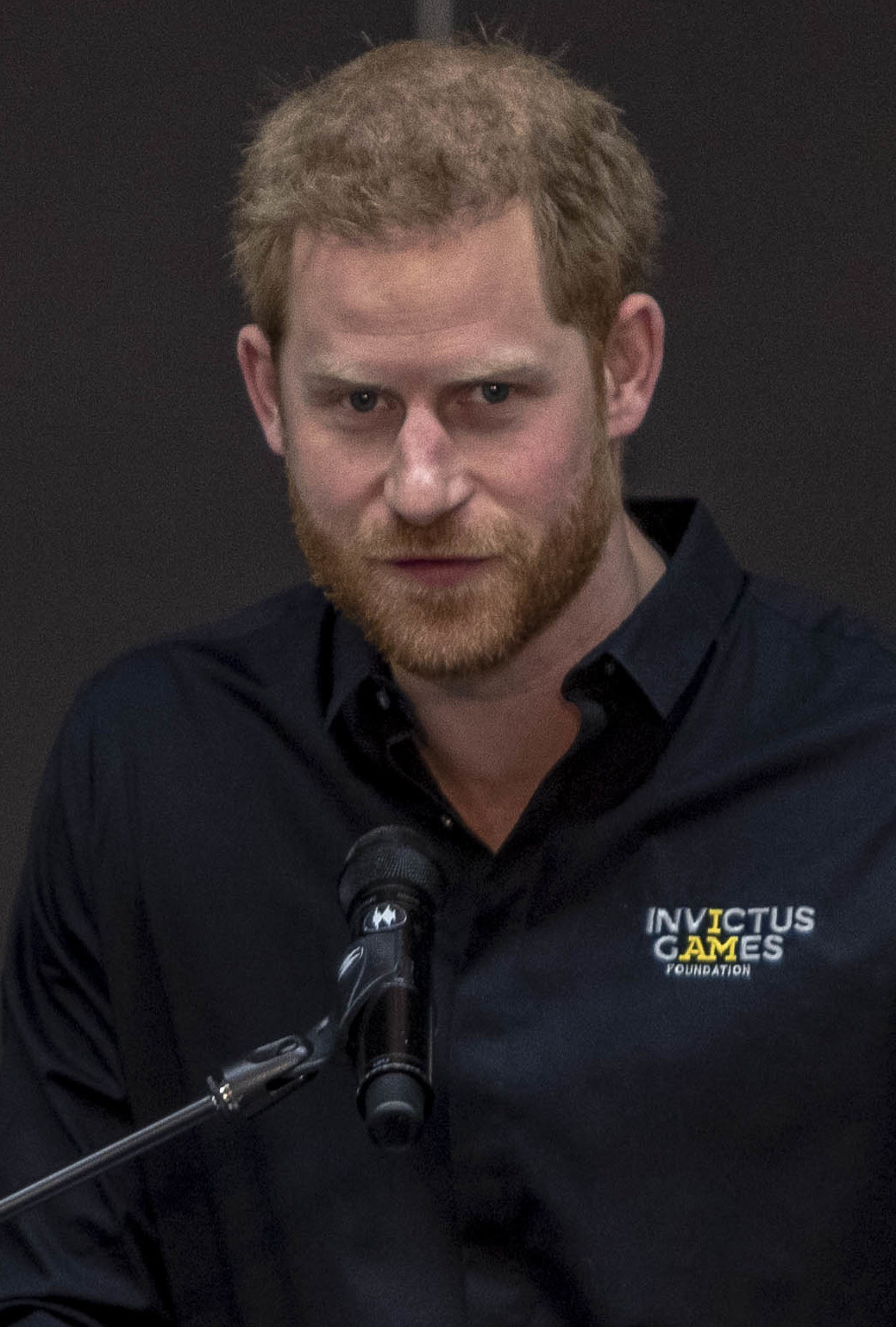
Prince Harry has stepped down from the board of African Parks, the conservation charity he served for 10 years, first as president and then as a director. The announcement came Monday, framed by the organization as part of a routine 'governance refresh' that will bring in Kenyan Supreme Court Justice Isaac Lenaola and Alice Ruhweza, president of AGRA (Alliance for a Green Revolution in Africa). The changes take effect September 30, 2026. The timing raises eyebrows. Four months ago, Survival International, an indigenous rights advocacy group, publicly called for Harry to resign over horrific allegations against African Parks rangers. In May 2025, an independent investigation by London law firm Omnia Strategy confirmed that human rights abuses had occurred at Odzala-Kokoua National Park in the Republic of Congo, including beatings, torture, and rape of Indigenous Baka people by park rangers. African Parks acknowledged the findings but declined to release the full report. The allegations first surfaced in 2024, though Survival International says it warned African Parks about the abuses more than a decade ago. This is the second African charity Harry has abandoned in recent months. In March 2025, he resigned from Sentebale, the HIV/AIDS charity he co-founded in 2006 in memory of Princess Diana. That departure followed an ugly boardroom battle with chair Sophie Chandauka, who refused to step down despite trustee demands and sought a High Court injunction to block a board vote to remove her. Harry called it 'devastating' and said he was 'in shock' at having to quit an organization so close to his late mother's legacy. African Parks manages protected areas across 13 countries, from Chad to Zimbabwe, covering more than 20 million hectares. The organization temporarily lost its partnership with Chad in October 2025 after the government accused it of financial impropriety, breaches of contract, and a 'recurring, indelicate and disrespectful attitude,' though the partnership was reinstated later that month. Harry first got involved with African Parks in 2016 when he helped relocate 500 elephants in Malawi. He served as president from 2017 to 2023 before joining the board of directors. Vas Narasimhan, chairman of the African Parks board and CEO (Chief Executive Officer) of pharmaceutical giant Novartis, issued a polite statement thanking Harry for his 'decade of committed service.' Harry's spokesperson said the Duke 'remains deeply committed' to conservation in Africa and is 'a strong supporter of African Parks' mission.' The charity emphasized that Harry 'brought global attention to the urgent need for biodiversity protection.' The departure comes just days after Harry announced he and his family, Meghan Markle and their children Archie (7) and Lilibet (5), are moving back to the United Kingdom after six years in California. The family will live in a private residence outside London and will not resume working royal duties. The move surprised royal watchers and sparked speculation about Harry's relationship with his father King Charles and brother Prince William, both of whom have reportedly maintained distance from the Sussexes since their 2020 royal exit. Harry's conservation credentials have taken repeated hits. While he's positioned himself as a champion of African wildlife and communities, the human rights allegations at African Parks paint a darker picture of fortress conservation, where indigenous people are violently removed from ancestral lands in the name of protecting animals. Survival International has documented cases of Baka women and children being attacked by rangers even while the investigation was ongoing. The organization accused African Parks of allowing investigators to arrive at interview sites in African Parks vehicles accompanied by Congolese officials, creating a 'chilling effect' on victims' willingness to speak openly.
 🌍 world
Harry Quits Another African Charity After Abuse Scandal
Prince Harry just walked away from his second African charity in 18 months. The Duke of Sussex is leaving African Parks after a decade on the board, four months after indigenous rights groups demanded his resignation over alleged torture and rape by park rangers. It's part of a so-called 'governance refresh.' Sure it is.
Fact checked - 15 claims 24 Aug 2026 · 12 with sources
My Take
Let's be clear about what's happening here. Harry didn't leave African Parks because of some convenient 'governance refresh.' He left because the optics became untenable. When indigenous rights groups are publicly demanding your resignation over allegations of rape and torture committed by rangers at an organization where you sit on the board, you can't credibly claim to be a global humanitarian. The timing of this departure, four months after Survival International's call for him to step down, tells you everything you need to know. The pattern is damning. This is Harry's second failed African charity in 18 months. First Sentebale imploded in a leadership crisis so toxic he called it 'devastating.' Now African Parks, where he spent a decade building his conservation brand, has become radioactive with human rights abuse allegations. At what point do we stop accepting the carefully worded PR statements about 'remaining committed to the cause' and start asking harder questions about due diligence and accountability? Harry wasn't some peripheral figure at African Parks. He was president for six years. He helped raise millions. He put his face on the organization. If abuses were happening on this scale, especially when Survival International claims to have been raising alarms for over a decade, where was the oversight? The move back to the UK adds another layer of intrigue. Harry and Meghan spent six years building their California brand around social justice, mental health advocacy, and speaking truth to power. Now they're retreating to Britain without resuming royal duties, their charitable portfolio in tatters, and their reputation for progressive causes deeply compromised. The Sussexes wanted to modernize the monarchy and forge a new path. Instead, they're returning diminished, having discovered that celebrity activism without institutional infrastructure is a minefield.
What Happens Next
The board transition at African Parks takes effect September 30, 2026, when Justice Lenaola and Alice Ruhweza officially join. Lenaola will chair a new Rights and Safeguards Sub-Committee, a move clearly designed to address the human rights crisis that has plagued the organization. Whether this represents genuine reform or damage control remains to be seen. Survival International shows no signs of backing down and will likely continue pressing for full disclosure of the Omnia Strategy investigation findings and concrete actions to protect indigenous communities. For Harry and Meghan, the UK move creates a whole new set of challenges. The couple will need to rebuild their charitable infrastructure from scratch while navigating the hostile British tabloid environment they fled in 2020. Their children are already enrolled in English schools, suggesting this is a permanent relocation. The royal family has made clear there will be no return to working royal status, leaving the Sussexes in limbo between celebrity and royalty, welcome nowhere and trusted by few. African Parks faces a reckoning of its own. The organization manages over 20 million hectares across 13 countries with an $88 million annual budget. The Chad partnership was reinstated after a brief October 2025 suspension, but other partnerships may still be at risk if the human rights concerns aren't addressed transparently. The addition of a Supreme Court justice focused on human rights signals the board understands the stakes, but actions matter more than appointments. Indigenous communities around these parks will be watching to see if conservation can be done without violence, or if the fortress model of protecting nature by displacing people continues to define African Parks' approach.
What History Tells Us
The tension between conservation and indigenous rights has deep colonial roots. European powers created Africa's first national parks by forcibly removing local populations, establishing a model where nature protection meant human exclusion. This fortress conservation approach treats indigenous people as threats to wildlife rather than as stewards who lived sustainably alongside animals for millennia. Organizations like African Parks operate in this fraught legacy, managing lands that were often ancestral territories before being designated as protected areas. Prince Harry's conservation work echoes his mother Princess Diana's humanitarian efforts, but with far less success. Diana used her platform to destigmatize HIV/AIDS and campaign against landmines, achieving tangible policy changes. Harry has struggled to translate royal celebrity into effective advocacy. His departure from two major African charities in 18 months suggests the challenges of translating good intentions into accountable leadership, especially when operating across complex cultural and political landscapes far from the scrutiny of British media.