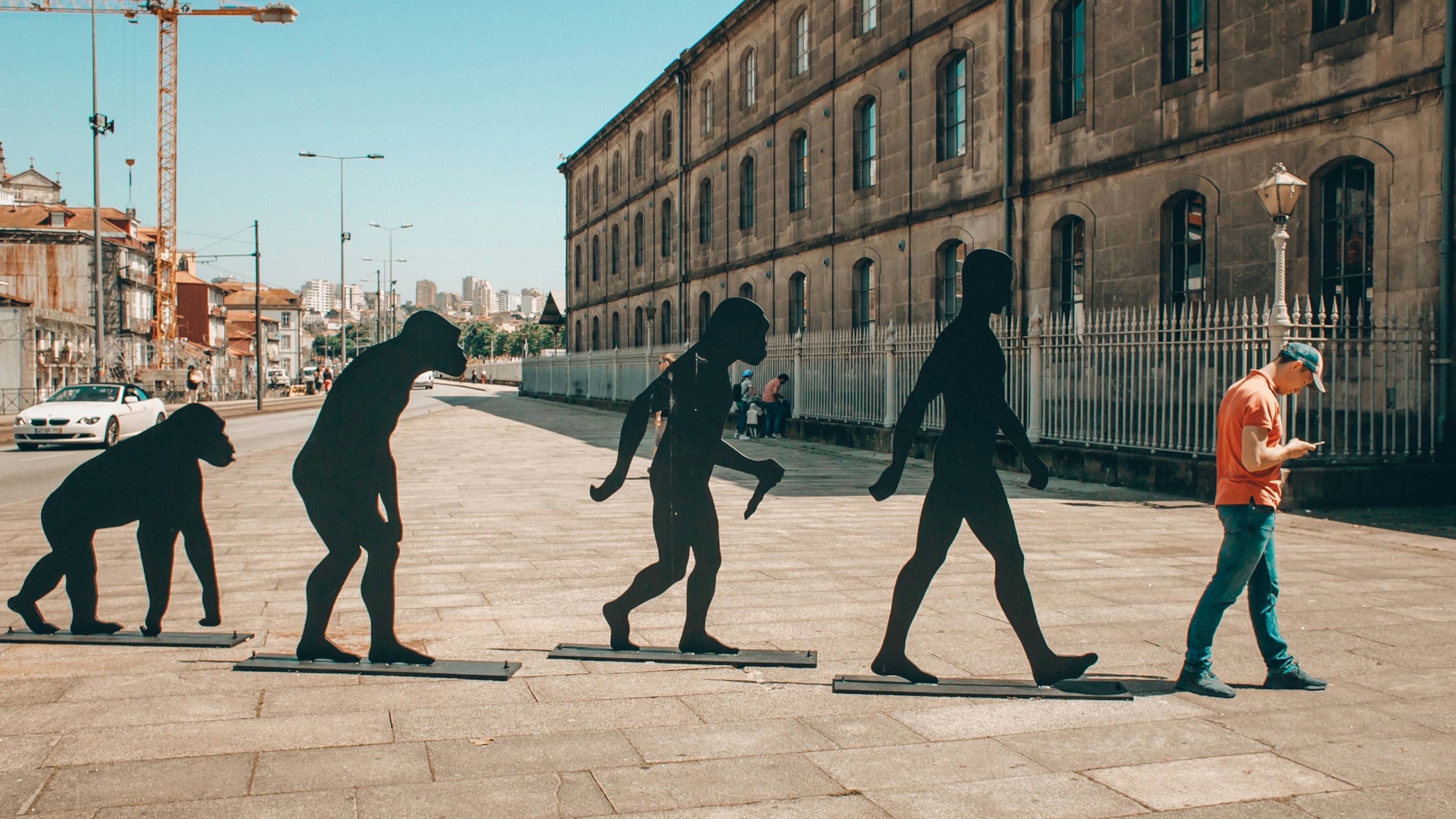
For years, the prevailing belief was that human evolution had slowed or even halted due to our technological and cultural advancements. However, recent research challenges this notion, providing compelling evidence that natural selection remains active in shaping our species. A comprehensive study published in *Nature* analyzed 16,000 ancient and modern genomes from West Eurasian populations. The researchers identified nearly 500 gene variants influenced by natural selection over the past 10,000 years. These genetic changes include increased frequencies of traits like light skin, red hair, and resistance to diseases such as HIV and leprosy. Conversely, there was a decrease in the prevalence of male-pattern baldness and rheumatoid arthritis. This study underscores that human evolution is ongoing, albeit in subtle forms. Similarly, a systematic review of 280 peer-reviewed studies spanning nearly five decades found robust evidence of multilevel selection operating simultaneously across various biological levels from genes to groups to entire communities. This research, co-authored by Michael Wade, Distinguished Professor Emeritus of Biology at Indiana University Bloomington, challenges the misconception that natural selection acts exclusively on individual organisms. Instead, it highlights that selection pressures also influence group dynamics and community structures, further emphasizing the complexity of evolutionary processes. These findings suggest that while our technological and cultural innovations have mitigated certain environmental pressures, they have not entirely eliminated the forces of natural selection. Instead, these forces have adapted, continuing to influence human evolution in nuanced ways. The interplay between cultural practices and biological evolution is becoming increasingly evident, indicating that our species' evolutionary trajectory is more intricate than previously understood. Understanding the ongoing nature of human evolution is crucial, as it informs fields ranging from medicine to anthropology. Recognizing that natural selection continues to shape our genetic makeup can lead to better insights into disease resistance, genetic disorders, and the overall adaptability of human populations. Moreover, it challenges the notion that human evolution is a thing of the past, encouraging a more dynamic view of our species' development. In conclusion, the evidence is clear: human evolution is far from over. Natural selection continues to mold our genetic landscape, albeit in less overt ways. As we advance technologically and culturally, it is essential to acknowledge and study these subtle evolutionary processes to fully comprehend the complexities of human biology and our place in the natural world.
 🔬 science
Humans Still Evolving: Natural Selection's Subtle Hand
Despite technological advances, human evolution continues. Recent studies reveal ongoing natural selection shaping our species in unexpected ways.
My Take
The prevailing belief that human evolution has ceased is a comforting myth. Recent studies dispel this notion, revealing that natural selection is still at work, albeit in subtle forms. This ongoing evolution challenges the idea that technology and culture have rendered us immune to natural forces. Understanding that we are still evolving is crucial. It reminds us that, despite our advancements, we remain part of the natural world, subject to its laws. This perspective can foster a deeper appreciation for our biology and the intricate processes that have shaped us over millennia.
What Happens Next
As research into human evolution continues, we can expect more discoveries that highlight the subtle ways natural selection influences our species. These findings may lead to advancements in medicine, particularly in understanding genetic predispositions and disease resistance. Additionally, they could inform public health strategies by providing insights into how cultural practices intersect with biological evolution. The recognition that human evolution is ongoing may also influence educational curricula, emphasizing the dynamic nature of our species and the importance of studying evolutionary biology. This shift could inspire a new generation of scientists to explore the complexities of human genetics and evolution, leading to a more nuanced understanding of our place in the natural world.