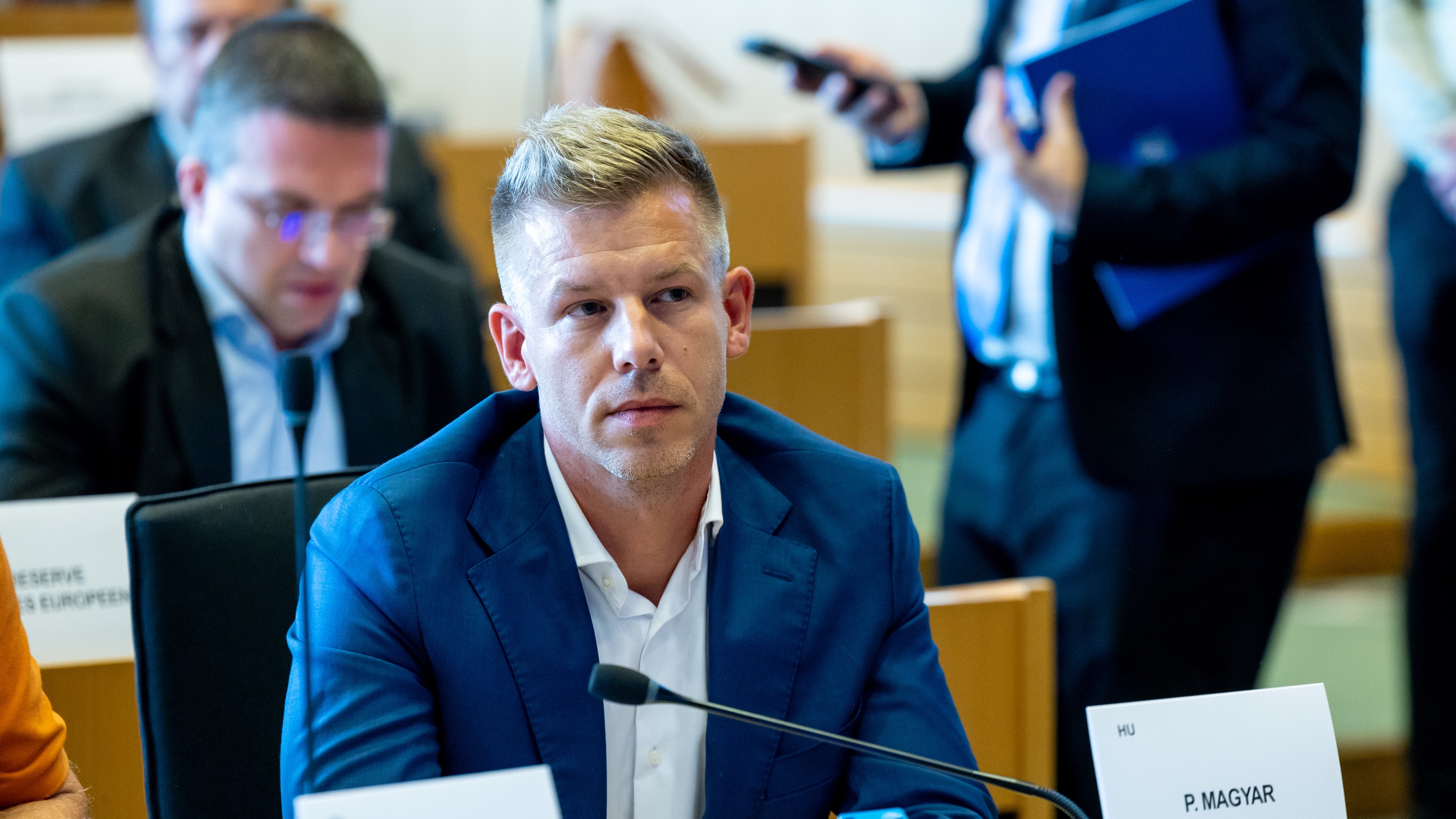
Hungary's political landscape has been irrevocably altered following the April 12, 2026, parliamentary elections. Péter Magyar's Tisza Party, a center-right, pro-European movement, achieved a decisive victory over the incumbent Fidesz party, led by Prime Minister Viktor Orbán. With over 95% of votes counted, Tisza secured 138 seats in the 199-member National Assembly, while Fidesz garnered only 54 seats. This outcome grants Tisza a two-thirds majority, enabling them to amend Hungary's constitution and implement sweeping reforms. The voter turnout was a record-breaking 77.8%, reflecting a strong desire for change among the Hungarian populace. Orbán, who had been in power for 16 consecutive years, conceded defeat and personally congratulated Magyar on his victory. This election result is poised to have significant implications for Hungary's domestic policies and its relations with the European Union. (elpais.com)
 🏛️ politics
Hungary's Tisza Party Topples 16-Year Fidesz Rule
In a stunning electoral upset, Péter Magyar's Tisza Party has ended Viktor Orbán's 16-year reign, securing a two-thirds parliamentary majority. This seismic shift promises profound changes for Hungary's future.
My Take
The Hungarian electorate has delivered a resounding message: the era of Viktor Orbán's Fidesz dominance is over. This isn't just a political shift; it's a repudiation of the 'illiberal democracy' that Hungary has been subjected to for over a decade. Péter Magyar's Tisza Party, despite its relatively recent emergence, has tapped into the public's yearning for transparency, rule of law, and genuine European integration. The record voter turnout underscores the populace's commitment to democratic principles and their desire to break free from the autocratic tendencies that had taken root. While Magyar's victory is commendable, the real challenge lies ahead. Transforming campaign promises into tangible reforms will test the party's resolve and capability. The international community, particularly the European Union, will be watching closely, hoping that Hungary's shift will signal a broader trend towards democratic revitalization in the region.
What Happens Next
With the two-thirds majority secured, Péter Magyar's Tisza Party is poised to initiate comprehensive constitutional reforms. The immediate focus will likely be on restoring the rule of law, enhancing judicial independence, and reinforcing democratic institutions that had been undermined during Orbán's tenure. Economically, Magyar's administration will need to address Hungary's fiscal challenges, potentially seeking to unlock EU funds that had been frozen due to previous governance issues. On the international stage, Hungary's shift is expected to mend strained relations with the European Union, which had been critical of Orbán's policies. However, the Tisza Party's pro-European stance may also lead to tensions with Russia, given Orbán's previous alignment with Moscow. Domestically, Magyar's government will face the complex task of unifying a politically diverse coalition, balancing the expectations of its supporters, and addressing the economic and social issues that have been exacerbated by years of autocratic rule.
What History Tells Us
Hungary's 2026 parliamentary election results echo the 1989 fall of communism, when the Hungarian Socialist Workers' Party's 40-year rule ended. Both events signify a populace reclaiming democratic governance after prolonged periods of centralized control.
Market Impact
The political upheaval in Hungary is likely to influence regional markets, particularly in Central and Eastern Europe. Investors may view the shift as a move towards stability and EU alignment, potentially boosting investor confidence in Hungary. However, the transition period could introduce short-term uncertainties as the new government implements reforms. Specific market movements will depend on the Tisza Party's policy decisions and their impact on Hungary's economic indicators.