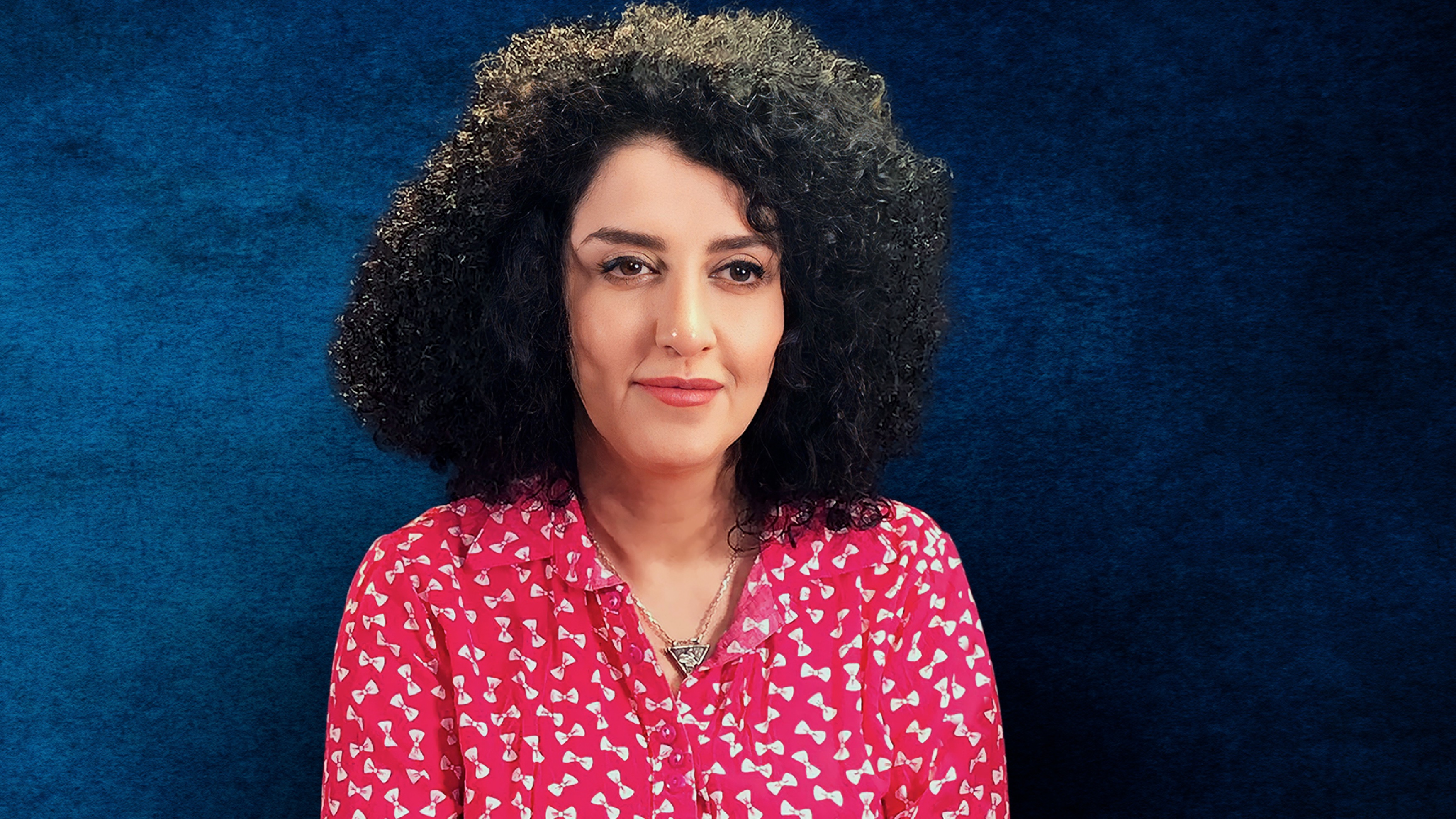
Mohammadi was transferred from Zanjan Prison to a hospital in northwestern Iran on Friday after what her foundation called a "catastrophic deterioration" of her health. The 52 year old activist has been behind bars since her latest arrest on December 12, 2024, one of at least thirteen times Iranian authorities have jailed her over three decades of human rights work. This hospital trip comes after 140 days of systematic medical neglect, according to the Free Narges Coalition, the foundation advocating for her release. The Nobel Committee awarded Mohammadi the Peace Prize in October 2023 while she was serving multiple sentences totaling decades in Evin Prison. She's been convicted on charges including "spreading propaganda against the state" and "acting against national security," charges that translate to documenting torture, advocating for women's rights, and opposing the death penalty. Iranian authorities have responded to her international recognition not with clemency but with intensified punishment, a middle finger to Western pressure that's become Tehran's signature move. Mohammadi suffers from multiple serious health conditions that require consistent medical care, conditions prison authorities are fully aware of. The foundation's statement suggests this wasn't negligence born of incompetence but a calculated strategy. Denying medical treatment to political prisoners serves a dual purpose for authoritarian regimes: it punishes without leaving bullet holes, and it terrifies other potential dissidents with the prospect of slow, painful decline. It's torture with plausible deniability. This hospitalization follows a grim pattern. In July 2024, Mohammadi was briefly hospitalized after a suspected heart attack, only to be returned to prison within hours despite doctors recommending further observation. Each medical crisis becomes a pressure point. Her supporters demand humane treatment, international bodies issue condemnations, and Tehran calculates whether the propaganda cost of her death outweighs the deterrent value of her suffering. So far, they've kept her alive, barely. The timing matters. Iran's regime faces mounting domestic unrest, economic pressure from sanctions, and international isolation over its nuclear program and support for Russia's war in Ukraine. Mohammadi represents everything the Islamic Republic fears: an Iranian woman who refuses to submit, who documents their crimes, who commands global attention they can't suppress. Her Nobel Prize transformed her from a prisoner into a symbol, and symbols are harder to quietly dispose of. But they're also more valuable as warnings. Look what happens when you defy us, even global recognition won't save you.
 🌍 world
Iran Lets Nobel Winner Rot Until Body Fails
Narges Mohammadi, Iran's imprisoned Nobel Peace Prize laureate, just got rushed to a hospital after five months of deliberate medical neglect turned catastrophic. Her foundation says authorities waited 140 days while her condition spiraled, a pattern Tehran's used to break dissidents without pulling the trigger.
My Take
Let's cut through the diplomatic language: Iran is slowly killing Narges Mohammadi, and the world is watching it happen in real time. This isn't neglect, it's policy. Authoritarian regimes learned decades ago that dead dissidents become martyrs, but broken ones send a better message: comply or suffer. Mohammadi's 140 days without proper medical care wasn't an oversight by overwhelmed prison staff, it was deliberate deterioration as statecraft. The Nobel Committee gave Mohammadi their prize thinking international prestige would shield her. It hasn't. If anything, it painted a bigger target. Tehran doesn't care about Western condemnations because they've correctly calculated that no country will actually intervene to save one activist's life. The UN will issue statements. European parliaments will pass resolutions. Human rights groups will launch petitions. And Mohammadi will go back to that cell once she's stable enough to survive it. The real question isn't whether this is cruel (of course it is). It's whether it works. Does watching Mohammadi's health crisis actually deter other Iranian women from protesting mandatory hijab laws, from documenting executions, from demanding basic rights? Probably not. Iran's regime is running a losing strategy, confusing fear with stability. Every time they brutalize someone like Mohammadi, they prove her entire argument about their illegitimacy. They're not strong, they're desperate.
What Happens Next
Mohammadi will likely receive just enough medical intervention to stabilize her, then get shipped back to Zanjan Prison within days or weeks. That's the playbook Tehran used in July 2024 when she had a suspected heart attack: minimal treatment, fast return to custody. The regime needs her alive but suffering, visible enough to warn others but not dead enough to spark international fury they can't manage. Watch for her foundation and family to push for extended medical furlough or house arrest on humanitarian grounds. Iranian authorities will reject it, maybe offer some meaningless concession like better prison conditions they'll never actually implement. The real leverage point is external. If European governments or the UN Security Council actually tie sanctions relief or diplomatic engagement to her release, Tehran might calculate differently. But nobody's offering that trade, and Iran knows it. The wildcard scenario: her health deteriorates past the point where prison hospitalization can stabilize her, forcing authorities into an impossible choice. Let her die and create a martyr, or grant temporary release and risk she becomes a rallying point for domestic protests. Iran's government has made catastrophically bad calls before. They shot down a civilian airliner and spent days lying about it. Don't assume rationality. If hardliners decide her propaganda value as a warning exceeds the cost of international backlash from her death, we could be watching a slow motion execution disguised as medical neglect.
What History Tells Us
Iran's use of medical neglect as a weapon against political prisoners echoes Soviet tactics during the Cold War, when dissidents like physicist Andrei Sakharov faced deliberate denial of care. Sakharov, who won the Nobel Peace Prize in 1975, was denied medical treatment during his internal exile in Gorky from 1980 to 1986, developing serious heart problems authorities ignored until international pressure became unbearable. The Soviets eventually released him in 1986 as part of Mikhail Gorbachev's glasnost reforms, but only after calculating that his death would cost more than his freedom. Closer to Iran's current situation: Chinese dissident Liu Xiaobo died of liver cancer in 2017 while serving an eleven year sentence for "inciting subversion." Liu won the Nobel Peace Prize in 2010 while imprisoned. Chinese authorities denied him adequate medical care until his cancer became terminal, then moved him to a hospital where he died under guard weeks later. Beijing faced international condemnation but suffered no meaningful diplomatic or economic consequences. Iran's regime studied that playbook. Nobel laureates behind bars don't automatically translate to rescue missions, just press releases.