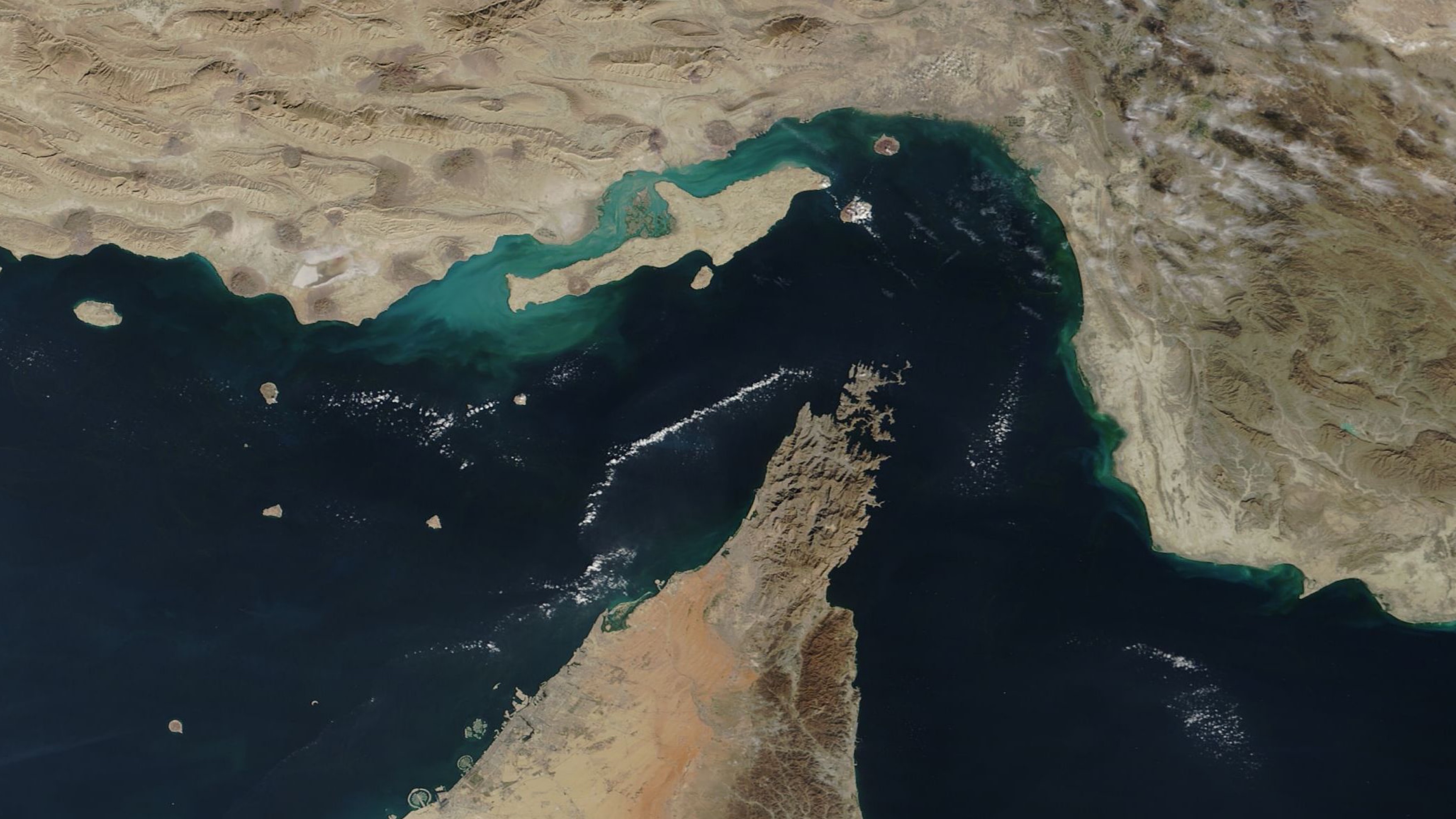
In a dramatic escalation, Iran has reimposed strict control over the Strait of Hormuz, a vital artery through which approximately 20% of global oil supplies pass. This decision came swiftly after Tehranʼs brief announcement of reopening the strait, highlighting the volatility and strategic importance of this maritime passage. The Islamic Revolutionary Guard Corps (IRGC) declared that the strait is under 'strict management and control,' warning that any vessel attempting to transit would be considered a violation and subject to targeting. This move stems from Tehranʼs view that Western powers have reneged on commitments under the 2015 nuclear deal. By asserting dominance over the strait, Iran is flexing muscle to force concessions not just on nuclear sanctions relief, but also on its frozen assets and regional security allowance. Controlling this chokepoint gives Iran leverage to recalibrate the negotiating table in a way sanctions alone could not achieve. The U.S. maintains a naval blockade of Iranian ports, a measure the U.S. insists will remain in effect until Tehran agrees to a comprehensive deal addressing its nuclear program and regional activities. The U.S. blockade aims to pressure Iran by halting its oil and gas exports, which constitute about 15% of its gross domestic product (GDP). This strategy has already led to significant disruptions in global energy markets, with Brent crude prices soaring above $100 per barrel. European leaders like French President Emmanuel Macron and UK Prime Minister Keir Starmer have stepped forward, advocating for permanent maritime navigation security and expressing concerns over the economic repercussions of the ongoing tensions. Their calls reflect a broader worry among trading partners that the ripple effects of the Hormuz standoff could send shocks far beyond the region. The closure of the Strait of Hormuz has far-reaching implications. For Iran, it serves as a potent tool to exert pressure on the U.S. and its allies, leveraging control over a critical global shipping route to secure meaningful diplomatic and economic gains. For the U.S., the blockade is a means to enforce its demands on Iran, particularly concerning its nuclear program and regional influence. However, this standoff has escalated tensions in the region, with reports of IRGC gunboats firing on tankers attempting to navigate the strait an alarming escalation that further complicates the situation. The international community watches closely, as the potential for conflict grows, and the global economy braces for the impact of sustained disruptions in one of the worldʼs most crucial maritime passages.
 🌍 world
Iran's Hormuz Gambit: A High-Stakes Game of Chicken
Iran's abrupt closure of the Strait of Hormuz has sent shockwaves through global markets and diplomatic channels. This move, following a brief reopening, underscores Tehran's strategic leverage over a critical maritime chokepoint. The U.S. response? A steadfast blockade that shows no signs of relenting. The stakes couldn't be higher.
My Take
Iran's latest move in the Strait of Hormuz is a calculated gamble that could redefine the balance of power in the region. By reasserting control over this critical chokepoint, Tehran is sending a clear message: it holds the cards in this high-stakes game. The U.S. blockade, while a show of strength, may be pushing Iran into a corner, leaving little room for negotiation. This deadlock risks spiraling into a broader conflict, with global oil markets already feeling the tremors. The question now is whether diplomatic channels can break the impasse or if the situation will escalate further, drawing in more international actors and potentially leading to a confrontation that no one wants but all are preparing for.
What Happens Next
The immediate future hinges on the U.S. response to Iran's reassertion of control over the Strait of Hormuz. If the U.S. maintains its blockade, Iran may intensify its actions, potentially leading to further military confrontations. Diplomatic efforts, possibly mediated by neutral parties like Pakistan, could emerge as a critical avenue to de-escalate tensions. However, the window for negotiation is narrowing, and without a breakthrough, the risk of a broader conflict looms large. The international community's role will be pivotal in either facilitating dialogue or exacerbating the standoff, with global economic repercussions already being felt.
What History Tells Us
This situation echoes the 1950s Suez Crisis, where Egypt's nationalization of the Suez Canal led to a military response from Britain, France, and Israel. The canal's closure disrupted global shipping routes, leading to international condemnation and a reevaluation of colonial-era policies. Similarly, Iran's control over the Strait of Hormuz has historically been a point of contention, with past confrontations highlighting the strategic importance of this maritime passage. The current crisis underscores the delicate balance between national sovereignty, regional security, and global economic interests.
Market Impact
The closure of the Strait of Hormuz has already had a significant impact on global oil markets. Brent crude prices have surged above $100 per barrel, reflecting concerns over potential supply disruptions. Energy stocks, particularly those of major oil companies, have experienced volatility, with investors closely monitoring the situation. The longer the strait remains closed, the more pronounced the economic effects are likely to be, potentially leading to higher fuel prices and increased inflation worldwide. Investors are advised to stay informed and consider the broader geopolitical implications when making investment decisions.