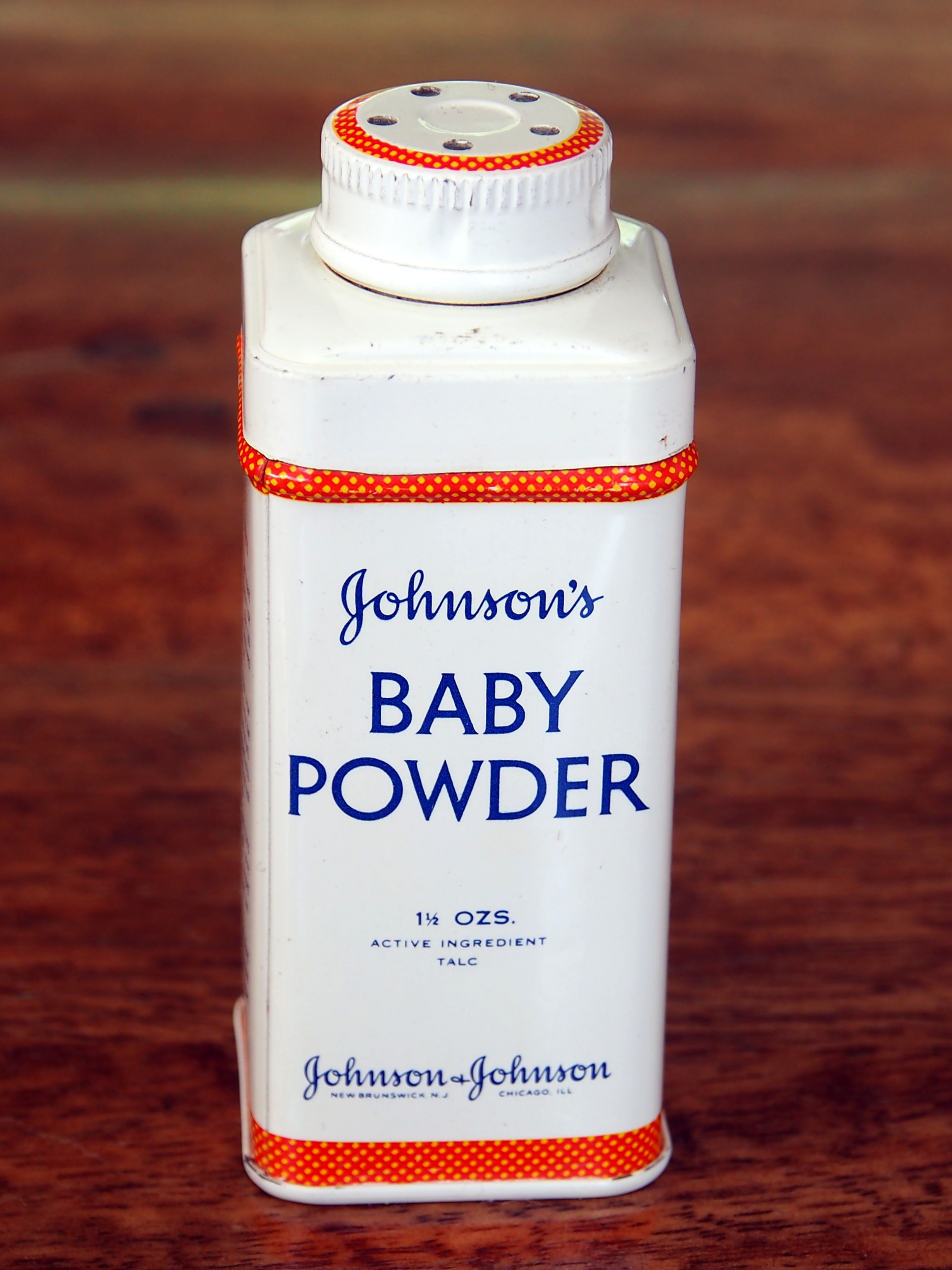
Johnson & Johnson announced on July 28, 2026 that it will offer up to $5.5 billion to resolve approximately 60,000 lawsuits alleging its talc-based baby powder caused ovarian cancer. The settlement structure spreads payments across multiple years, with $3 billion due in 2027 and the remainder following in 2028 and beyond. But here's the kicker: J&J Vice President of Litigation Erik Haas simultaneously declared the allegations 'meritless' and claimed the company would have 'ultimately prevailed with further litigation.' So why settle at all? Because dragging this circus through courtrooms for another decade costs money, reputation, and executive sanity. The lawsuits center on talc, a naturally occurring mineral used in personal care products for its moisture-absorbing properties. Talc deposits often sit geologically close to asbestos, a known carcinogen, raising contamination concerns. Plaintiffs argue J&J knew about asbestos traces in its talc supply and failed to warn consumers. The company has repeatedly denied these claims, pointing to studies it says prove talc's safety. In July 2026, a federal court handed J&J a procedural victory by questioning whether individual plaintiffs could definitively prove talc caused their specific cancers. That ruling likely emboldened the company to push this settlement now, from a position of relative courtroom strength. J&J stopped selling talc-based baby powder in North America in 2020 and globally in 2022, switching to a cornstarch formula. The company framed this as a 'commercial decision' during a 'portfolio assessment,' corporate-speak for 'the optics were killing us.' Kenvue, the consumer health spinoff that owns brands like Band-Aid and Listerine, now holds liability for baby powder sales outside North America. J&J conveniently offloaded that ticking time bomb before finalizing the separation in 2023. The proposed settlement requires acceptance by law firms representing 95% of ovarian cancer claimants in state and federal courts. That's a high bar, but J&J has leverage. Many plaintiffs have been waiting years, some are terminally ill, and litigation fatigue is real. The company can afford to wait; cancer patients often cannot. Previous settlement attempts collapsed when claimant groups rejected the terms as inadequate. This time, J&J is betting $5.5 billion is enough to fracture opposition and secure the supermajority it needs. Talc litigation began in 2009, meaning some plaintiffs have been fighting for 17 years. Thousands of cases have gone to trial, with verdicts swinging wildly. Some juries awarded massive damages; others sided with J&J. The company has won dismissals and appeals, but also faced billion-dollar judgments later reduced on appeal. It's legal whack-a-mole, and both sides are exhausted. J&J tried twice to resolve the mess through controversial bankruptcy maneuvers involving a subsidiary created specifically to absorb talc liabilities. Courts rejected those gambits as improper attempts to shield the parent company's assets. Now J&J is trying the old-fashioned way: throwing money at the problem until it goes away.
 📈 business
J&J's $5.5 Billion Baby Powder Bet Won't Buy Innocence
Johnson & Johnson is dangling up to $5.5 billion to make tens of thousands of talc cancer lawsuits disappear, but the company still insists its baby powder never harmed anyone. It's the corporate equivalent of settling out of court while screaming 'I'm innocent!' from the courthouse steps. After decades of litigation, formula changes, and global product withdrawals, J&J wants to close the book without admitting a single page was written in bad faith.
My Take
Let's be clear: you don't pay $5.5 billion to settle 'meritless' claims unless you're terrified of what discovery might uncover or you're sick of the headlines. J&J wants the moral high ground and the settlement too, an impossible combination that insults everyone's intelligence. Either your product was safe and you're capitulating to extortion, or it wasn't safe and you're buying silence. Pick a lane. The real scandal isn't just the alleged contamination, it's the playbook. Spin off the liability-heavy consumer division, let Kenvue inherit the international mess, file bankruptcy shells to dodge U.S. claims, then when courts shut that down, settle while denying everything. It's corporate liability laundering at industrial scale. Shareholders get certainty, executives get closure, and plaintiffs get money but no vindication. The truth gets buried under a mountain of non-disclosure agreements. This settlement, if it goes through, won't be the end. Future cases will surface, new scientific studies will emerge, and someone will eventually leak internal documents that make J&J's denials look ridiculous. The company is buying time, not absolution. And $5.5 billion sounds massive until you remember J&J reported $85 billion in revenue for 2023. This is the cost of doing business when your business involves putting products on millions of babies for decades.
What Happens Next
Law firms representing the 60,000-plus claimants now face an agonizing calculus: accept $5.5 billion divided among thousands, or gamble on trials that could take years and might not pay out at all. J&J needs 95% agreement, so expect intense negotiations and internal battles among plaintiff attorneys through fall 2026. Some firms with large client rosters will push acceptance; others representing dying clients will demand higher payouts. If the settlement collapses, we're back to trench warfare in courtrooms nationwide, with J&J likely trying yet another creative legal maneuver to cap its exposure. Meanwhile, Kenvue faces its own reckoning with international talc claims. European and Asian markets are watching this settlement closely, and plaintiff attorneys worldwide are sharpening their pencils. If J&J's $5.5 billion deal closes, expect parallel settlement demands from Kenvue within 12-18 months. The baby powder saga won't truly end until both companies have paid out and every jurisdiction has closure. Scientific research into talc safety will continue regardless of settlement outcomes. University studies and government health agencies are investigating talc-asbestos links independently. If researchers publish definitive evidence of contamination in historical J&J products after the settlement closes, the company will face a credibility crisis even if it's legally insulated. Public health advocates will demand regulatory changes, possibly including mandatory asbestos testing for all talc-based consumer products. The powder may be off shelves, but the questions it raised aren't going away.
What History Tells Us
Corporate mass tort settlements follow a familiar pattern. Tobacco companies paid $206 billion in the 1998 Master Settlement Agreement while never admitting cigarettes caused cancer. Opioid manufacturers are currently parceling out $50 billion-plus in settlements while disputing their role in the addiction epidemic. The formula is consistent: deny, delay, litigate selectively, then settle globally when the math favors closure over endless trials. J&J is walking a well-worn path, just with baby powder instead of Marlboros or OxyContin. The talc controversy echoes asbestos litigation from the 1970s-90s, when companies like Johns Manville faced tens of thousands of mesothelioma claims. Those companies knew for decades that asbestos caused cancer but continued selling products anyway. Many eventually declared bankruptcy, creating trust funds to pay claims. J&J tried a modified version of this strategy with its bankruptcy shells, but courts saw through it. The lesson: you can't have $90 billion in annual revenue and simultaneously claim you're too broke to face your accusers in court.