The numbers tell a story of accelerating chaos. When half a meter of rain falls in 48 hours, you're not dealing with weather, you're dealing with atmospheric warfare. Seosan City's Cheongji Stream turned into a raging torrent on July 17, 2025, swallowing vehicles whole and forcing emergency evacuations across Chungcheongnam-do Province. Residents described the deluge as apocalyptic, with rain so dense it felt like standing under a waterfall. Infrastructure built for 20th century climate norms simply couldn't handle 21st century precipitation extremes. Scientists now have hard data explaining the mechanism behind Korea's intensifying summer monsoons. Rising sea surface temperatures in the Yellow Sea and East China Sea are pumping unprecedented amounts of water vapor into the atmosphere above the Korean Peninsula. When this supercharged moisture collides with atmospheric blocking patterns that trap hot, humid air over central Korea, the result is explosive rainfall concentrated in narrow geographic zones. It's a three part climate cocktail: warmer oceans generate more evaporation, a hotter atmosphere holds exponentially more moisture (roughly 7% more per degree Celsius of warming), and shifting jet stream patterns create stagnant weather systems that dump their entire payload in one spot. The Korean Meteorological Administration (KMA) has documented a measurable shift in precipitation patterns over the past two decades. Where monsoon rains once spread relatively evenly across weeks, they now arrive in violent bursts, what meteorologists call "convective supercell" events. These aren't gentle spring showers; they're atmospheric fire hoses capable of dropping a month's worth of rain in an afternoon. Urban drainage systems designed in the 1980s and 1990s simply can't evacuate water fast enough, turning subway stations into underground rivers and highways into canals. The economic toll compounds with each summer. Agriculture takes massive hits as rice paddies flood before harvest, while insurance payouts for water damage have tripled since 2015. Seoul's municipal government spent 2.3 trillion won (approximately $1.7 billion USD) on flood mitigation infrastructure between 2020 and 2025, yet still sees catastrophic flooding events annually. The cost isn't just financial, it's psychological. Communities that once viewed summer rain as life giving now see it as an existential threat, radically altering how Koreans plan their lives around the monsoon season. Global climate models project this trend will intensify through mid century. By 2050, Korea could see extreme rainfall events, defined as more than 150mm in 24 hours, occur twice as frequently as they did in 2000. Coastal cities face a double threat: heavier downpours from above and rising sea levels from below, creating a hydraulic vise that will test every levee, seawall, and drainage tunnel. The question isn't whether Korea will experience another catastrophic flood season, but when, and whether the country can adapt fast enough to keep pace with a climate system that's rewriting the rules of hydrology in real time.
 🔬 science
Korea's Monsoons Are Getting Weaponized by Warming Oceans
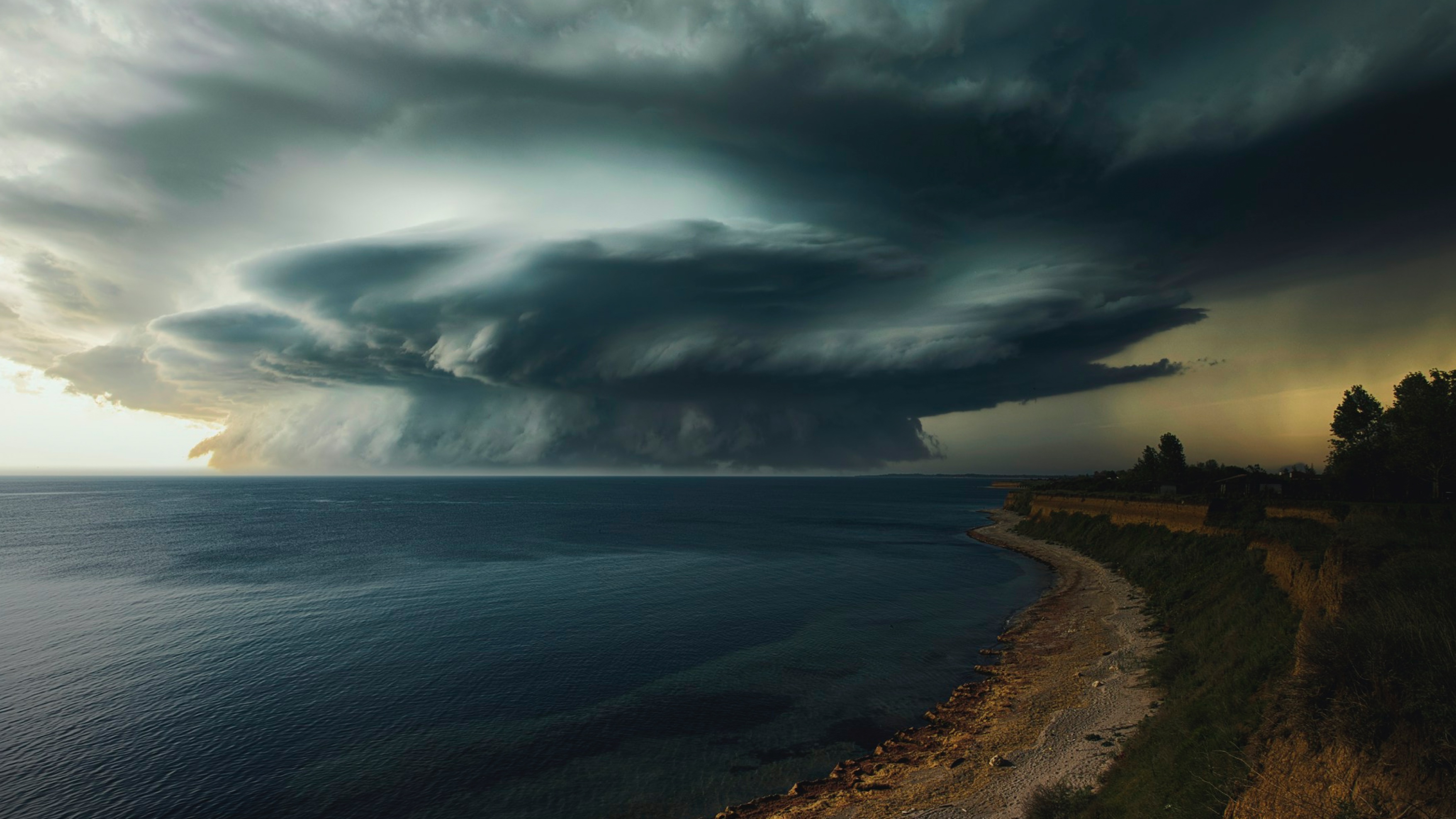
Last July, nearly 520mm of rain drowned Seosan City in two days, submerging cars, flooding streets, turning infrastructure into aquariums. New research confirms what meteorologists feared: Korea's summer deluges aren't freak accidents anymore. They're the new normal, turbocharged by hotter seas and a moisture-drunk atmosphere.
My Take
Here's what terrifies me about this story: Korea is a wealthy, technologically advanced nation with world class infrastructure, and it's still getting absolutely hammered by climate driven precipitation. If Seoul, with its trillion won budgets and engineering prowess, can't keep water out of its subway systems, what chance do developing nations have? We're watching a preview of what's coming for coastal megacities worldwide, from Mumbai to Miami. The uncomfortable truth is that we've built our entire civilization around historical climate patterns that no longer exist. The other infuriating piece? This isn't a mystery. The science is settled, the mechanisms are understood, and the projections are clear. Yet infrastructure planning still treats these events as outliers rather than the baseline. Korea needs to stop building for the climate of 1990 and start building for the climate of 2040, which means accepting that half meter rainfall events aren't once a century disasters anymore. They're Tuesday. Until governments internalize that reality, we'll keep watching cars float down streets and calling it "unprecedented" when it's actually just physics.
What Happens Next
This summer will be the test case. KMA is already warning of above average sea surface temperatures in the Yellow Sea heading into June 2026, which historically precedes brutal monsoon seasons. If Korea sees another Seosan level event, or worse, multiple cities flooded simultaneously, it will force a reckoning about climate adaptation spending. Watch for emergency infrastructure bills to hit the National Assembly by August, likely focused on expanding underground water storage facilities and upgrading urban drainage capacity in Gyeonggi do and Chungcheong provinces. The geopolitical wildcard? North Korea's aging flood infrastructure. If the DPRK experiences catastrophic flooding this summer (as it did in 2020 and 2022), and Seoul's aid offers get rebuffed for political reasons, you'll see South Korean civil society groups pressure the government to bypass Pyongyang and work with international NGOs directly. Climate disasters have a way of exposing the absurdity of political gridlock. When people are drowning, ideology becomes a luxury nobody can afford. The real question is whether Kim Jong Un's regime will accept help or let pride trump survival for another year.
What History Tells Us
Korea has a long history of devastating floods, but the modern era's closest parallel is the 1998 Imjin River flood that killed over 60 people and displaced tens of thousands. That disaster prompted South Korea's first major investment in computerized flood warning systems and river management infrastructure. The difference between 1998 and now? Those floods were driven by typhoons, discrete, trackable weather systems. Today's extreme rainfall events emerge from atmospheric conditions so complex and fast moving that even supercomputer models struggle to predict them more than 72 hours out. We've entered an era where the weather moves faster than bureaucracy can respond.
Market Impact
Korean construction and infrastructure stocks should see volatility tied to government spending announcements. Hyundai Engineering & Construction (000720.KS), currently trading around 42,000 won on the Korea Exchange, stands to benefit from flood mitigation contracts, particularly if emergency infrastructure bills pass this summer. The company's civil engineering division specializes in urban drainage systems and has secured major municipal contracts in Seoul and Incheon over the past three years. Global reinsurance companies with significant Korean exposure will face premium increases and potential earnings pressure. Munich Re (MUV2.DE) and Swiss Re (SREN.SW) both have substantial books of business covering Korean property and casualty risks. If 2026 delivers another catastrophic flood season, expect Q3 earnings calls to highlight Korea as a risk factor requiring rate adjustments. Agriculture ETFs with Korean holdings, like the iShares MSCI South Korea ETF (EWY), could see headwinds if rice and vegetable crops take repeated flooding hits, though Korea's relatively small agricultural sector (less than 2% of GDP) limits macro impact. The real play is infrastructure and climate adaptation technology: water management systems, permeable pavement materials, and predictive weather modeling firms will see growing demand as municipalities race to upgrade aging flood defenses.