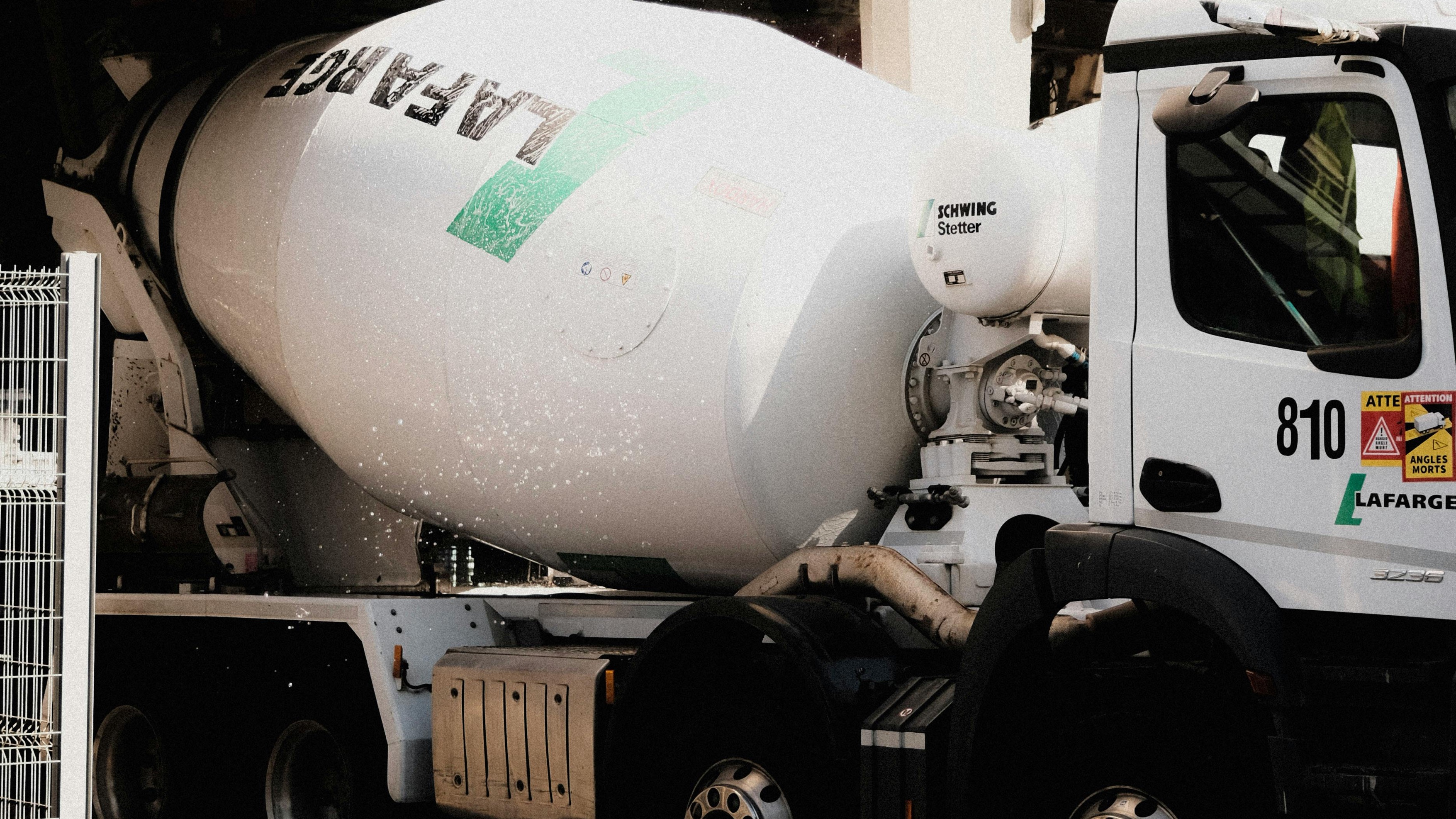
In a landmark ruling on April 13, 2026, the Paris Criminal Court found Lafarge, the French cement conglomerate, guilty of financing terrorism in Syria. Between 2013 and 2014, Lafarge paid millions of euros to armed groups, including ISIS (Islamic State of Iraq and Syria) and al-Nusra Front, to ensure the continued operation of its cement plant in Jalabiya, northern Syria, amid the escalating civil war. These payments were made through intermediaries and were intended to secure safe passage for employees and maintain supply routes for raw materials. The court's decision marks the first time a multinational corporation has been held criminally responsible for financing terrorism in France. Several former executives of Lafarge were also convicted, with sentences ranging from fines to prison terms. The case has drawn significant attention due to its implications for corporate responsibility and the ethical considerations of doing business in conflict zones. The trial revealed that Lafarge's actions were driven by profit motives, as the company sought to maintain its operations and market share in the region. The payments to armed groups were not isolated incidents but part of a systematic strategy to navigate the complexities of the Syrian conflict. This strategy included negotiating with various factions to ensure the safety of its employees and the uninterrupted supply of materials. The court's ruling has sparked a broader debate about the role of corporations in conflict zones and the extent to which they should be held accountable for their actions. Critics argue that companies like Lafarge prioritize profits over human rights and ethical considerations, potentially fueling conflicts and contributing to human suffering. Supporters of the ruling contend that it sets a precedent for holding corporations accountable and sends a strong message about the importance of ethical business practices. The case also raises questions about the adequacy of existing legal frameworks to address corporate misconduct in conflict zones. While international laws prohibit financing terrorism, the enforcement of these laws has often been inconsistent, especially when it comes to corporate entities. The Lafarge case highlights the need for clearer regulations and more robust mechanisms to hold corporations accountable for their actions in conflict areas. The ruling has significant implications for multinational corporations operating in regions affected by conflict. Companies must now carefully consider the ethical and legal ramifications of their operations, particularly when dealing with armed groups. The case serves as a cautionary tale about the risks of engaging with parties that may be designated as terrorist organizations and underscores the importance of conducting thorough due diligence and adhering to international laws and standards. The Lafarge case also has broader implications for the construction industry, which often operates in regions with complex political and security environments. The industry must grapple with the challenges of balancing business interests with ethical considerations and the potential impact of their operations on local communities and the broader geopolitical landscape. The ruling is expected to influence future legal actions against corporations accused of similar misconduct. It sets a precedent for holding companies accountable for their actions in conflict zones and may lead to increased scrutiny of corporate activities in such regions. The case also underscores the importance of transparency and ethical conduct in corporate operations, particularly in areas where the rule of law is weak, and the risk of engaging with illicit actors is high.
 📈 business
Lafarge's Syrian Gamble: Cementing Terrorism
French cement giant Lafarge has been convicted of financing terrorism in Syria by paying millions to jihadist groups to keep its plant running during the civil war. This landmark case raises serious questions about corporate ethics and accountability in conflict zones.
My Take
The conviction of Lafarge is a watershed moment in corporate accountability. For too long, multinational corporations have skirted responsibility for their actions in conflict zones, prioritizing profits over human rights and ethical considerations. This case sets a precedent that companies can no longer hide behind the complexities of war to justify unethical behavior. The ruling sends a clear message that engaging with terrorist organizations, even indirectly, is unacceptable and will have serious legal consequences. However, the question remains: will this conviction lead to meaningful change in corporate practices, or will it be a one-off event that fails to alter the status quo? The true test will be whether other corporations take heed and implement robust measures to ensure they do not inadvertently or knowingly support terrorist activities. The Lafarge case also highlights the need for stronger international regulations and enforcement mechanisms to hold corporations accountable. While national courts can play a role, international cooperation and legal frameworks are essential to address the complexities of corporate misconduct in conflict zones. Without such measures, companies may continue to exploit legal loopholes and operate with impunity. In the end, the Lafarge conviction is a step in the right direction, but it is just the beginning. A broader cultural shift is needed within the corporate world to prioritize ethical considerations and social responsibility over short-term profits. Only then can we hope to prevent future instances of corporate complicity in conflicts and ensure that businesses contribute positively to the societies in which they operate.
What Happens Next
In the wake of the Lafarge conviction, multinational corporations operating in conflict zones will likely face increased scrutiny and pressure to reassess their business practices. Companies may implement more stringent due diligence processes to ensure they do not inadvertently engage with terrorist organizations. This could lead to a shift in how businesses approach operations in high-risk regions, potentially resulting in reduced investments or a reevaluation of market strategies. The ruling may also prompt governments and international bodies to strengthen regulations and enforcement mechanisms related to corporate conduct in conflict zones. This could include the development of clearer guidelines and more robust legal frameworks to hold companies accountable for their actions. Additionally, the case may inspire further legal actions against other corporations accused of similar misconduct, leading to a broader movement towards corporate accountability. However, there is a risk that the ruling could be seen as an isolated incident, with limited impact on broader corporate behavior. Without sustained efforts and systemic changes, the underlying issues of corporate complicity in conflicts may persist. The true impact of the Lafarge conviction will depend on the willingness of corporations, governments, and international organizations to embrace a culture of accountability and ethical conduct.
What History Tells Us
The Lafarge case draws parallels with previous instances where corporations have been implicated in unethical activities during conflicts. For example, during World War II, several companies were accused of collaborating with Nazi Germany, leading to significant legal and reputational consequences. These historical cases underscore the importance of holding corporations accountable for their actions and the need for robust legal frameworks to prevent such misconduct. The Lafarge case also echoes the controversies surrounding companies operating in apartheid-era South Africa, where businesses faced criticism for their economic ties to the regime. These historical precedents highlight the ongoing challenges of ensuring corporate responsibility in complex political and social environments.
Market Impact
The Lafarge conviction is expected to have a significant impact on the construction and cement industries. Companies may face increased compliance costs as they implement more rigorous due diligence and monitoring systems to avoid engaging with terrorist organizations. This could lead to a consolidation of the industry, with smaller players struggling to meet new regulatory standards. Investors may also reassess their portfolios, considering the reputational and financial risks associated with companies operating in conflict zones. The ruling could also influence stock prices, particularly for companies with significant operations in high-risk regions, as the market reacts to the potential for increased regulatory scrutiny and operational challenges.