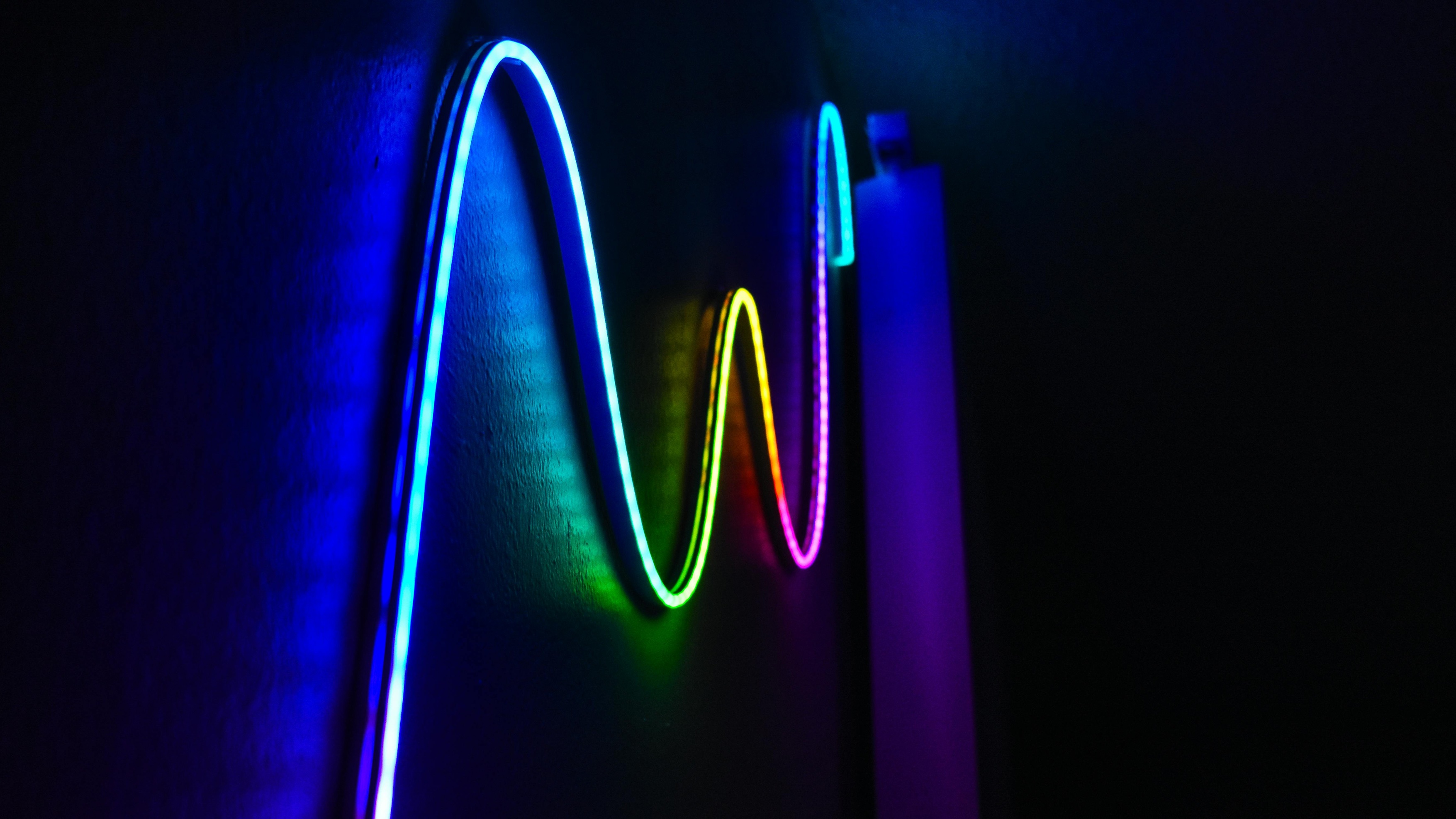
In 2017, Scott Lawson introduced an audio-reactive LED strip project that quickly became a favorite among party enthusiasts. These LED strips sync lighting effects with music, creating an immersive experience that has captivated many. However, Lawson's recent reflections reveal the complexities involved in perfecting such a system. Lawson's journey into audio-reactive lighting began with the goal of enhancing the party atmosphere through synchronized visuals. The project gained popularity for its ability to transform ordinary gatherings into dynamic events. Despite its success, Lawson acknowledges the challenges in achieving a seamless integration between audio input and visual output. One of the primary hurdles is the variability in human perception of sound and light. Designing a system that resonates with diverse audiences requires a deep understanding of auditory and visual processing. Lawson's approach involved implementing adaptive gain control to address fluctuations in ambient noise levels, ensuring consistent performance across different environments. Another significant challenge is the limited color representation in traditional RGB LED modules. These modules often struggle to produce saturated colors, particularly in the blue and cyan spectrums, leading to less vibrant displays. To overcome this, Lawson explored advanced techniques, including the use of neural networks trained with accelerometer data from listeners, aiming to enhance the system's responsiveness and accuracy. Despite these advancements, Lawson remains critical of the project's current state. He emphasizes the need for continuous improvement to achieve a more authentic and engaging audio-visual experience. This candid assessment highlights the ongoing pursuit of innovation in the field of interactive lighting systems. Lawson's reflections serve as a valuable resource for developers and enthusiasts interested in the intricacies of audio-reactive lighting. His experiences underscore the importance of understanding human perception and the technical challenges involved in creating immersive environments. As technology evolves, projects like Lawson's pave the way for more sophisticated and responsive interactive lighting solutions.
 💻 technology
Lawson's Illuminations: Party Tech Still Needs Work
Scott Lawson's audio-reactive LED strips have transformed party lighting, but perfecting them is a tough challenge.
My Take
Scott Lawson's audio-reactive LED strips have undeniably revolutionized party lighting, offering an immersive experience that many have come to cherish. However, Lawson's candid reflections reveal the complexities and challenges inherent in perfecting such a system. His emphasis on understanding human perception and the technical hurdles involved serves as a valuable lesson for developers and enthusiasts alike. The pursuit of innovation in interactive lighting is ongoing, and Lawson's work continues to inspire and inform the community.
What Happens Next
Building on his experiences, Scott Lawson is likely to continue refining his audio-reactive LED strip project, focusing on improving color representation and responsiveness. Collaborations with experts in human perception and lighting technology may lead to more sophisticated and immersive lighting solutions. Additionally, the insights gained from this project could influence the development of interactive lighting systems in various applications, from entertainment venues to smart home environments.
What History Tells Us
The evolution of audio-reactive lighting systems parallels the development of interactive technologies in entertainment. Similar to the challenges faced in early virtual reality systems, creating a seamless integration between audio and visual elements requires overcoming significant technical and perceptual hurdles. Lawson's work reflects the ongoing efforts to enhance user engagement through immersive experiences.
Market Impact
The advancements in audio-reactive lighting systems, as exemplified by Scott Lawson's project, have the potential to influence the smart home and entertainment lighting markets. Companies specializing in LED lighting and smart home devices may explore integrating audio-reactive features to enhance user engagement. However, the market impact will depend on the scalability and affordability of such technologies, as well as consumer demand for immersive lighting experiences.