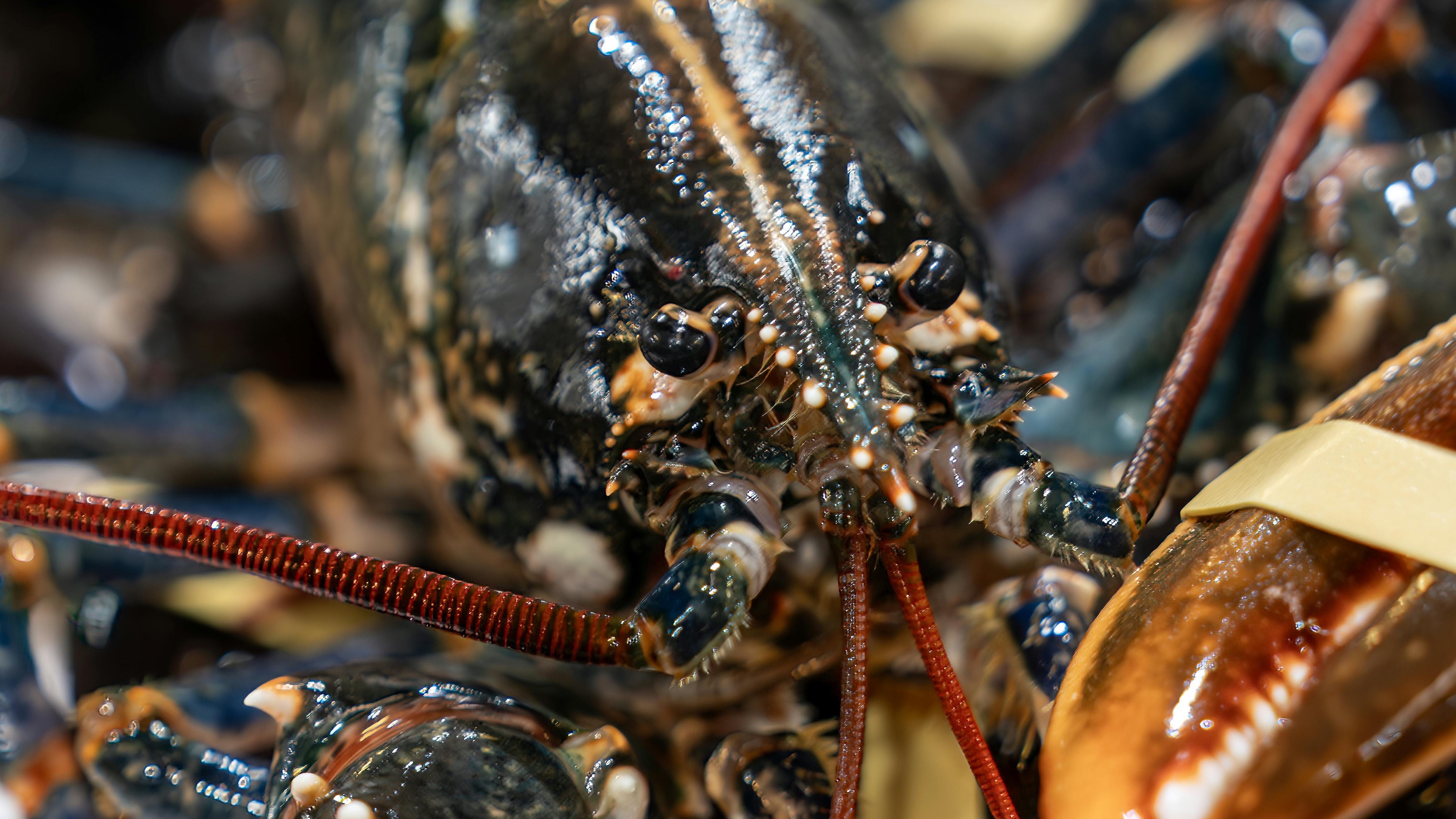
A groundbreaking study published in *Scientific Reports* has confirmed that lobsters experience pain, challenging long-held beliefs about crustacean sentience. Researchers administered electrical shocks to Norway lobsters (Nephrops norvegicus) and observed significant distress responses. When these lobsters were treated with human painkillers like aspirin and lidocaine, their reactions were notably reduced, indicating that their tail-flip responses were pain-induced rather than mere stress reactions. This discovery suggests that lobsters process pain neurologically, akin to mammals, and should be treated with corresponding ethical considerations. The implications of this study are profound, especially concerning the practice of boiling lobsters alive, a method traditionally believed to be the most humane due to concerns about bacterial contamination. However, the new findings cast doubt on this justification. Countries such as Switzerland, New Zealand, and Austria have already enacted bans on boiling lobsters alive, recognizing their capacity for pain. The United Kingdom is also moving towards similar legislation, with the Department for Environment, Food and Rural Affairs announcing plans to prohibit the practice, acknowledging that "live boiling is not an acceptable killing method." In the United States, the legal landscape is more complex. While there is no federal law explicitly banning the boiling of lobsters alive, some states and localities are reevaluating their regulations in light of new scientific evidence. The absence of a clear federal stance has led to a patchwork of state and local laws, with some jurisdictions considering or implementing bans on the practice. This evolving legal framework reflects a growing recognition of animal sentience and a shift towards more humane treatment of crustaceans. The ethical debate surrounding the boiling of lobsters alive is intensifying. Animal welfare organizations argue that the practice is cruel and outdated, advocating for alternative methods such as electrical stunning or chilling to render lobsters unconscious before cooking. These methods are considered more humane and are gaining acceptance in regions that have banned live boiling. The scientific community's increasing acknowledgment of crustacean pain perception is driving legislative changes and influencing public opinion, leading to a reevaluation of culinary traditions. As the movement to ban boiling lobsters alive gains momentum, it underscores a broader societal shift towards recognizing the sentience of invertebrates and promoting their welfare. The convergence of scientific research, ethical considerations, and legislative action is reshaping how societies view and treat these creatures, challenging long-standing practices and advocating for more compassionate alternatives.
 🔬 science
Lobster Pain Study Sparks Global Boiling Ban Movement
A recent study reveals lobsters feel pain, intensifying calls to ban boiling them alive. Countries like Switzerland and New Zealand have already implemented such bans, and the UK is considering similar legislation.
My Take
The confirmation that lobsters feel pain should have been obvious all along. The fact that it took until 2026 for science to catch up with common sense is a testament to our collective disregard for the suffering of these creatures. Boiling lobsters alive was always a barbaric practice, justified by outdated notions of food safety and culinary tradition. Now, with concrete evidence of their pain perception, there's no excuse to continue this cruelty. The global movement to ban boiling lobsters alive is a step in the right direction, but it's just the beginning. If we can acknowledge the pain of lobsters, why stop there? What about other invertebrates, like crabs and octopuses, known to exhibit signs of pain? It's time to overhaul our entire approach to seafood consumption, moving away from practices that cause unnecessary suffering. The question isn't whether we can afford to change; it's whether we can afford not to.
What Happens Next
In the UK, the proposed ban on boiling lobsters alive is expected to be implemented by 2030, aligning with the government's broader animal welfare strategy. This move is likely to influence other countries, including the United States, to reconsider their practices and regulations concerning the treatment of lobsters and other crustaceans. The shift towards more humane methods of cooking lobsters, such as electrical stunning or chilling, is anticipated to become more widespread, reflecting a global trend towards recognizing and respecting the sentience of invertebrates.
What History Tells Us
The debate over the humane treatment of lobsters has parallels with historical shifts in attitudes towards animal welfare. For instance, the movement to ban the use of live animals in circuses and the recognition of animal sentience in various species reflect a growing societal commitment to ethical treatment of animals. These changes often follow scientific discoveries that challenge previous assumptions about animal consciousness and pain perception.
Market Impact
The implementation of bans on boiling lobsters alive is expected to impact the seafood industry, particularly in regions where this practice is prevalent. Companies specializing in lobster harvesting and distribution may need to invest in alternative methods of processing, such as electrical stunning equipment. While the initial costs could be significant, the long-term benefits include compliance with evolving regulations and alignment with consumer preferences for ethically sourced products. The market for humanely processed lobster products may see growth as consumers become more conscious of animal welfare issues.