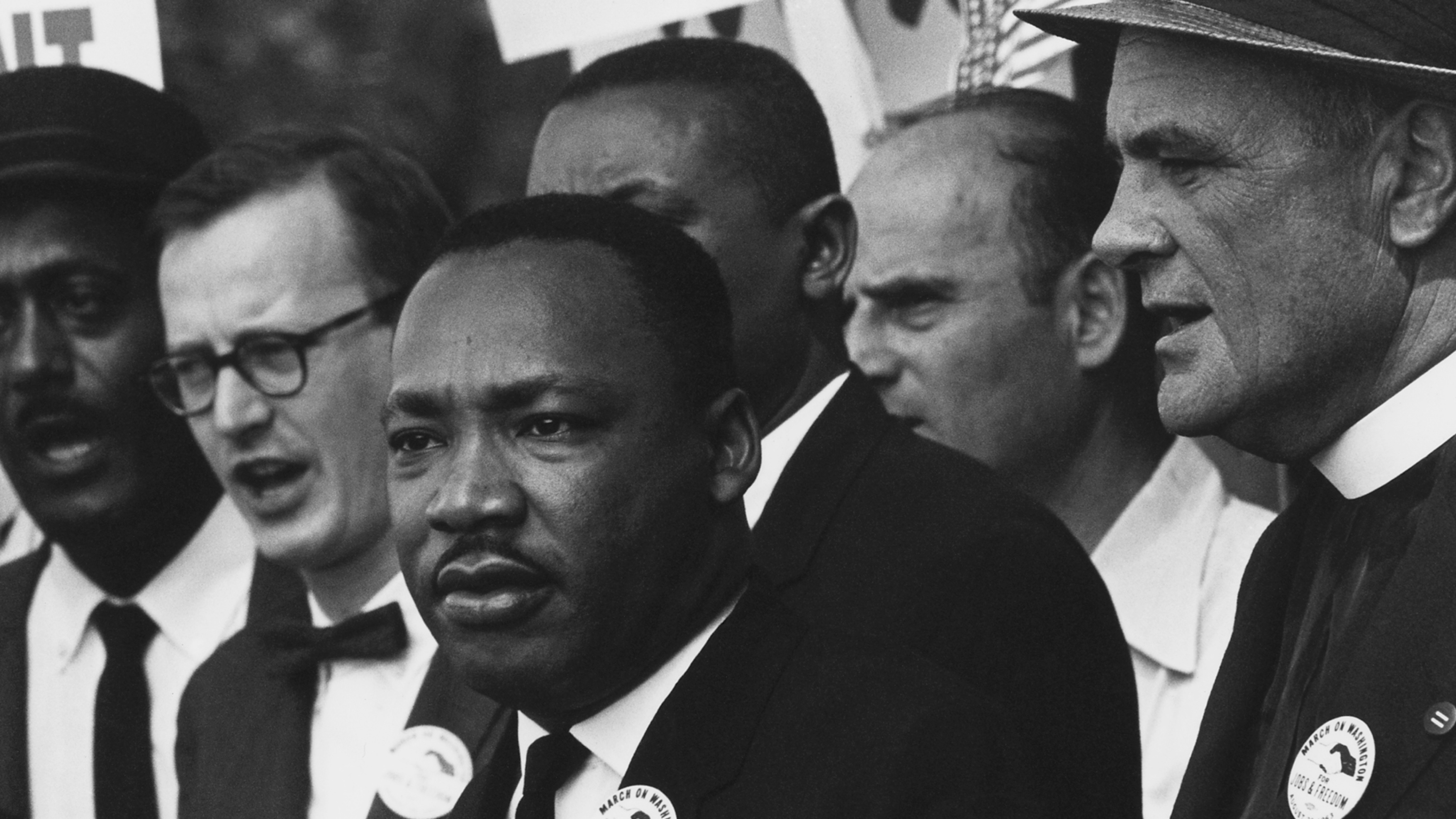
Martin Luther King Jr. is celebrated worldwide for his leadership in the American civil rights movement, advocating for nonviolent resistance against racial segregation and discrimination. However, beyond his public achievements, King was a man of profound depth and complexity, whose personal life and inner struggles often remained hidden behind his public persona. Personal Journals and Writings While King's speeches and writings are well-documented, his personal journals offer a more intimate glimpse into his thoughts and experiences. These journals reveal a man grappling with the weight of his responsibilities, the challenges of leadership, and the personal toll of his activism. They also showcase his moments of doubt, fear, and vulnerability, humanizing a figure often seen as larger than life. Family Dynamics and Personal Life King's family played a significant role in shaping his worldview and activism. He married Coretta Scott in 1953, and together they had four children: Yolanda, Martin III, Dexter, and Bernice. Despite his public image as a champion of civil rights, King faced personal challenges within his family. His father, Martin Luther King Sr., was known for his strict discipline, often using corporal punishment to instill discipline in his children. This upbringing influenced King's own parenting style, which was sometimes characterized by a desire to balance affection with discipline. Humanizing the Icon King's personal struggles, including moments of self-doubt and fear, are evident in his writings and speeches. These humanizing aspects of his life are often overshadowed by his public achievements. Understanding these facets provides a more comprehensive view of King as a person, not just as a symbol of the civil rights movement. Legacy and Continued Relevance King's legacy continues to inspire and challenge us. His personal journey, marked by both triumphs and struggles, serves as a testament to the resilience of the human spirit. By exploring the lesser-known aspects of his life, we gain a deeper appreciation for the man behind the dream and the complexities that shaped his path. Conclusion Martin Luther King Jr. was not just a leader; he was a man who faced personal challenges, experienced moments of doubt, and navigated the complexities of family life. By delving into these aspects, we gain a richer understanding of his character and the human experiences that influenced his monumental contributions to society.
 🌍 world
Martin Luther King Jr.: The Man Behind the Dream
Martin Luther King Jr. was a man of profound depth and complexity, whose personal life and inner struggles often remained hidden behind his public persona. This article delves into lesser-known aspects of his life, exploring his personal journals, family dynamics, and the human side of a civil rights icon.
My Take
Martin Luther King Jr. is often elevated to a near-mythical status, his image synonymous with the struggle for civil rights and social justice. However, this elevation can sometimes obscure the very human qualities that made his achievements so remarkable. By examining his personal journals and family dynamics, we uncover a man who, despite his monumental impact, grappled with the same doubts, fears, and imperfections that many of us do. This exploration serves as a reminder that greatness does not require perfection. King's ability to confront his personal challenges, learn from them, and continue his work is a testament to the resilience and complexity of the human spirit. It is this very humanity that makes his story not just inspiring, but deeply relatable. In a world that often seeks to place its heroes on pedestals, remembering the human side of figures like Martin Luther King Jr. allows us to see them not as distant icons, but as individuals whose struggles and triumphs mirror our own. This perspective not only honors their legacy but also empowers us to pursue our own dreams and confront our own challenges with courage and compassion.
What Happens Next
In the coming years, scholars and historians will continue to delve into the personal lives of historical figures like Martin Luther King Jr., uncovering new insights that challenge our perceptions and deepen our understanding. This ongoing research may lead to a more nuanced portrayal of King, highlighting the complexities of his character and the multifaceted nature of his contributions. As these revelations emerge, they could influence how we teach and learn about civil rights history, prompting educators to incorporate a more holistic view of leaders like King into curricula. This shift may foster a more empathetic and comprehensive understanding of the struggles and triumphs that have shaped our society. Furthermore, the exploration of King's personal life may inspire individuals to reflect on their own journeys, recognizing that personal growth and societal change often stem from confronting and embracing our vulnerabilities and imperfections.
What History Tells Us
The exploration of Martin Luther King Jr.'s personal life parallels the broader trend in historical scholarship to humanize iconic figures. By examining the complexities and imperfections of leaders, historians aim to provide a more nuanced understanding of their lives and the contexts in which they operated. This approach challenges the traditional hero narrative and encourages a more critical engagement with history.