Elon Musk dropped another bombshell during his latest appearance on The Joe Rogan Experience podcast, hinting that Tesla might unveil a flying car prototype before 2026 ends. When Rogan pressed him about the perpetually delayed Roadster sports car, Musk teased, "We're getting close to demonstrating the prototype. One thing I can guarantee is that this product demo will be unforgettable." He added, "If you took all the James Bond cars and combined them, it's crazier than that." The problem? We've heard this song before. The new Roadster was announced way back in 2017, with production supposedly starting in 2020. It's now 2026, and we're still waiting. The original Roadster (2008-2012) proved Tesla could build an electric sports car, but this sequel has become the automotive industry's equivalent of Duke Nukem Forever, a project perpetually "coming soon" that makes you wonder if it exists at all. Musk's flying car fantasy isn't completely unprecedented. He's previously discussed integrating SpaceX (Space Exploration Technologies Corp.) rocket technology into Tesla vehicles, potentially enabling vertical take-off and landing capabilities. The idea of cross-pollinating technologies between his companies sounds impressive on paper. In practice, it raises thorny questions about regulatory approval, safety certification, and whether anyone actually needs a car that flies. Let's talk about the elephant in the room: building a commercially viable flying car is monumentally difficult. We're not just talking about strapping some thrusters to a Model S and calling it a day. The Federal Aviation Administration (FAA) would need to certify it. Air traffic control systems would need massive overhauls. Insurance companies would have nightmares. And that's before addressing the minor detail of whether the average driver can handle three-dimensional navigation without crashing into office buildings. Meanwhile, Tesla's stock continues its roller coaster ride. As of April 22, 2026, Tesla Inc. (TSLA) trades at $387.51 with a market capitalization of approximately $1.37 trillion. That price-to-earnings (P/E) ratio of 267.25 reflects either boundless optimism or collective delusion, depending on your perspective. Investors are clearly betting on Musk's ability to deliver revolutionary products, but at some point, promises need to become products. The flying car concept has tantalized dreamers since the Jetsons first aired in 1962. Companies like Terrafugia and PAL-V have built actual flying prototypes, yet none have achieved commercial success. The gap between "it flies" and "you can buy one at a dealership" remains vast. Musk's track record includes genuine achievements like reusable rockets and mass-market electric vehicles, but it also includes the Cybertruck's famously shattered "unbreakable" windows and robotaxis that still haven't revolutionized transportation. Until Tesla provides concrete specifications, realistic timelines, and actual footage of a prototype defying gravity, this flying Roadster remains firmly in the realm of aspirational marketing. The company's focus officially remains on its existing lineup: Model S, Model 3, Model X, and Model Y. Those are real cars that real people can buy today. A flying Roadster? That's a podcast soundbite designed to generate exactly this kind of breathless coverage.
 💻 technology
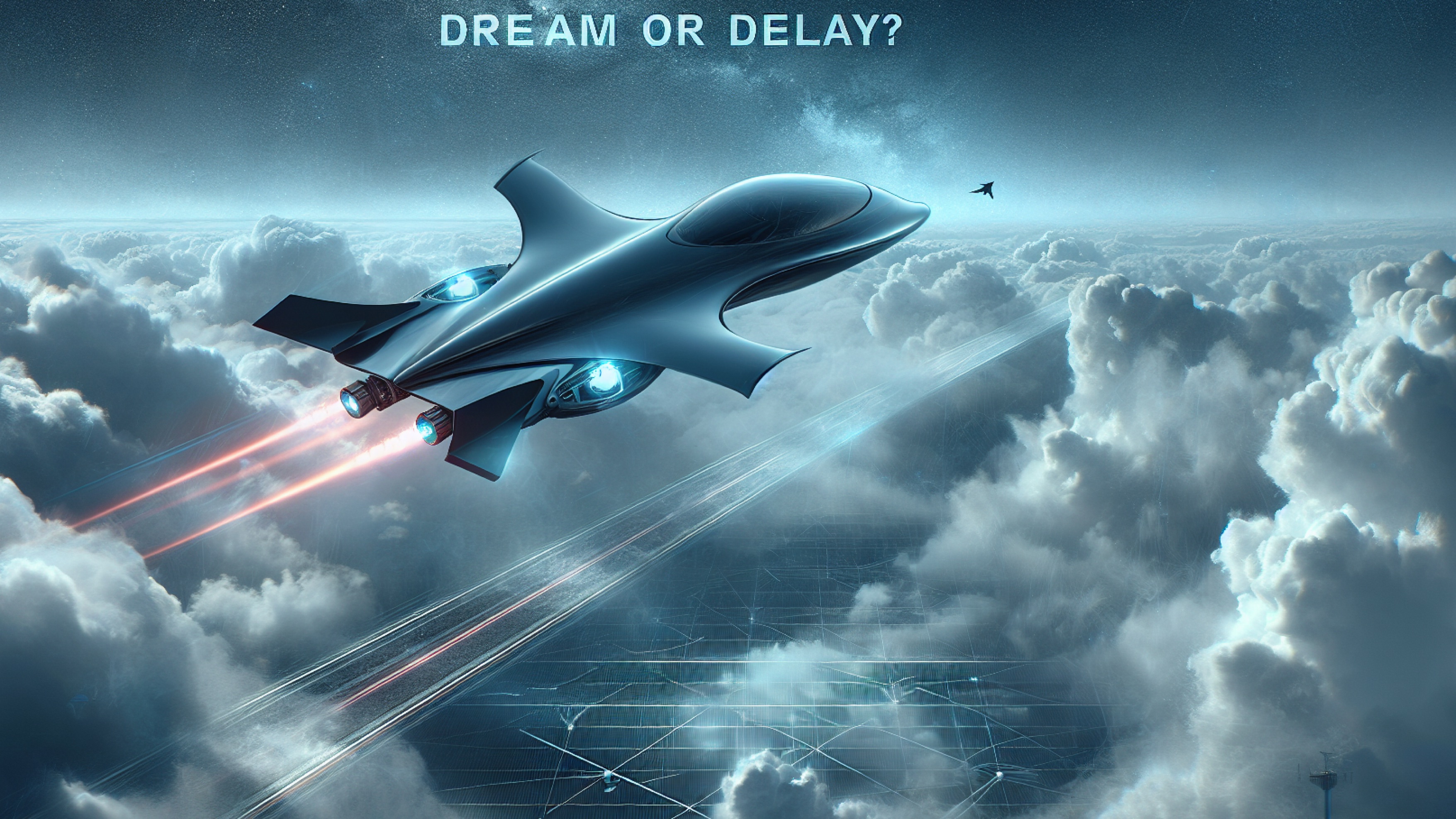
Musk's Flying Roadster: Dream or Delay?
Tesla's CEO teases a flying car prototype on Joe Rogan's podcast, but the company's track record of missed deadlines raises serious questions about whether this ambitious project will ever leave the ground.
My Take
This is vintage Musk: big promises, bigger headlines, and a timeline that exists in some alternate dimension where "soon" means "eventually, maybe, if we feel like it." The flying Roadster has become Tesla's Half-Life 3, a mythical product that generates more hype than actual hardware. Here's the brutal truth: Musk has earned skepticism. The Cybertruck took years longer than promised. Full Self-Driving remains stubbornly not-quite-full and definitely-not-autonomous despite repeated claims of imminent breakthroughs. The Semi truck? Still trickling out in embarrassingly small numbers. And don't get me started on the robotaxi fleet that was supposed to make Tesla owners rich by 2020. But here's what bothers me most about the flying car tease: it's a distraction. Tesla faces real challenges right now, from increasing competition in the electric vehicle (EV) market to quality control issues to Musk's own divided attention across multiple companies. Instead of addressing these concrete problems, we get sci-fi fantasies that sound cool on a podcast but do nothing for the customer who's been waiting six years for a Roadster that doesn't fly. The market seems to eat it up anyway. That absurd P/E ratio of 267.25 suggests investors are valuing Tesla not on what it delivers today, but on fever dreams of what it might deliver tomorrow. That's not investing; that's speculation with extra steps. Until I see a flying car actually lift off, navigate controlled airspace, and land safely, I'm filing this under "Musk Marketing Magic" and moving on.
What Happens Next
Tesla will either quietly drop the flying car talk or push the timeline further into the future, as it has with virtually every ambitious promise. The company might release some tantalizing concept renders or a carefully edited video clip to keep the hype alive without committing to actual deliverables. More likely, we'll see incremental Roadster updates that fall far short of the flying car vision. Perhaps some advanced aerodynamic features or minor hovering capabilities that technically qualify as "flight" in the same way a basketball player technically achieves flight during a jump shot. Musk will claim victory, fans will celebrate, and skeptics will roll their eyes. The real story to watch is whether Tesla can deliver any new Roadster at all in 2026. Forget flying. Can they ship a traditional electric supercar that competes with the Porsche Taycan Turbo S or the Lucid Air Sapphire? That would be newsworthy. A working prototype with actual flight capabilities certified by aviation authorities? That would be revolutionary. Another podcast tease followed by years of silence? That would be Tesla staying on brand.
What History Tells Us
The concept of flying cars has been a staple of science fiction for decades, from the Jetsons to Back to the Future. However, translating this fantasy into reality has proven elusive. Companies like Terrafugia and PAL-V have developed prototypes, but none have achieved mass production or commercial success. Musk's ambitious vision could either break this mold or become another footnote in the long history of flying car attempts.
Market Impact
If Tesla successfully develops and unveils a flying car prototype, it could revolutionize the automotive and aerospace industries. The stock market would likely respond positively, with Tesla's stock price potentially reaching new highs. However, if the project fails to materialize or faces significant delays, it could lead to a loss of investor confidence and a decline in stock value.