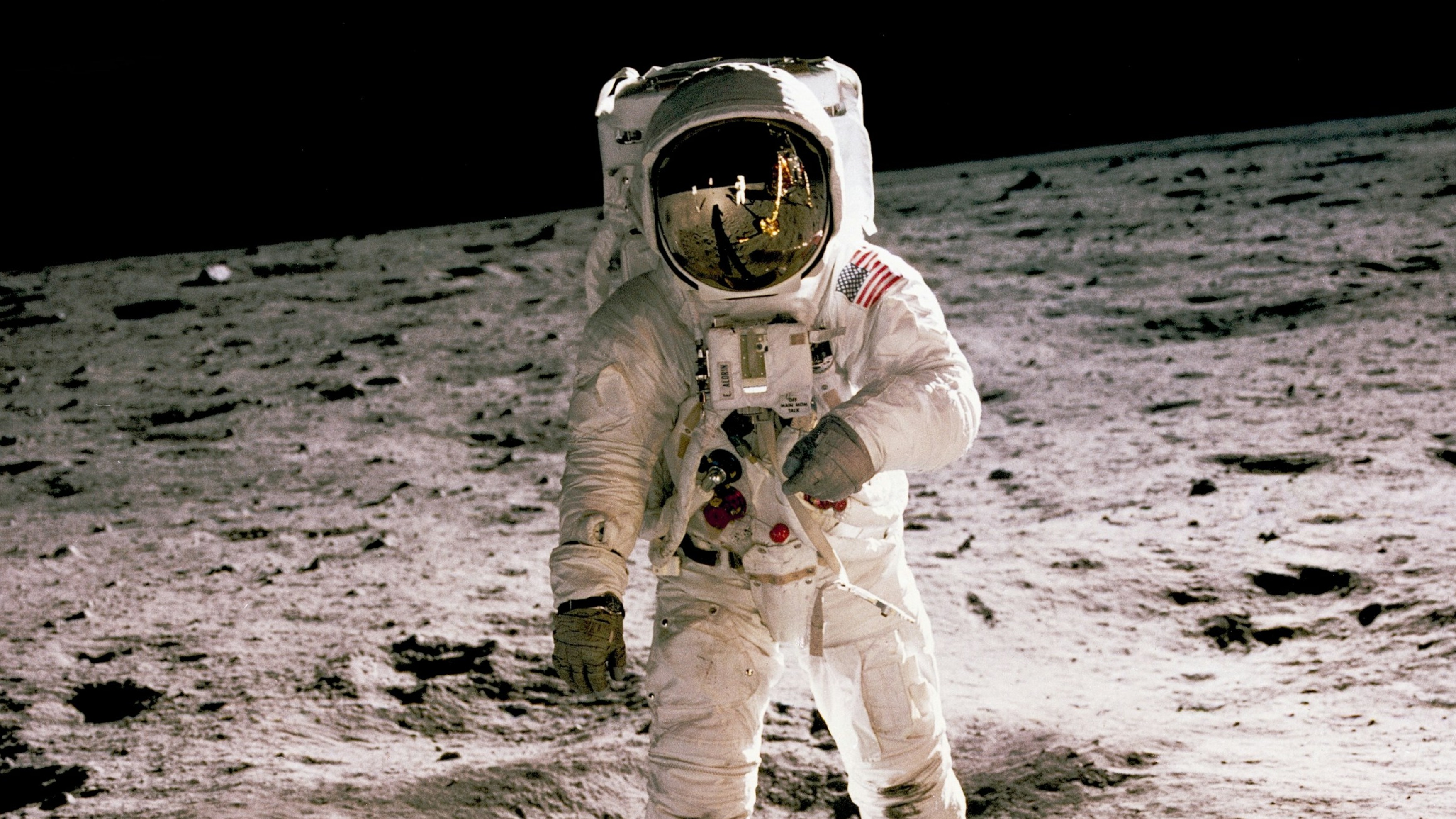
After a prolonged hiatus since the Apollo 17 mission in 1972, NASA is poised to return humans to lunar orbit with the Artemis II mission. Scheduled for launch on April 1, 2026, from Kennedy Space Center in Florida, this mission will carry four astronauts aboard the Orion spacecraft, propelled by the Space Launch System (SLS) rocket. The crew comprises NASA astronauts Reid Wiseman, Victor Glover, Christina Koch, and Canadian Space Agency astronaut Jeremy Hansen. Their journey will involve a free-return trajectory around the Moon, culminating in a Pacific Ocean splashdown after nearly ten days in space. The Artemis II mission serves as a critical test for NASA's Artemis program, which aims to establish a sustainable human presence on the Moon. Unlike its predecessor, Artemis I, which was an uncrewed test flight, Artemis II will validate the performance of the Orion spacecraft and SLS rocket with humans aboard. This mission is particularly significant as it will be the first crewed flight beyond low Earth orbit since 1972, setting several human spaceflight records. Glover will become the first person of color, Koch the first woman, and Hansen the first non-U.S. citizen to travel beyond low Earth orbit. The mission has faced several delays due to technical issues. Initially slated for February 2026, the launch was postponed after a wet dress rehearsal revealed a liquid hydrogen leak in the SLS rocket. Subsequent repairs were made, but further complications with the rocket's upper stage helium flow necessitated another rollback to the Vehicle Assembly Building for troubleshooting. These challenges underscore the complexities involved in returning humans to the Moon and the importance of thorough testing to ensure mission success. Despite these setbacks, NASA has expressed confidence in the mission's readiness. The Artemis II crew has entered quarantine to ensure they remain healthy ahead of the launch, a standard procedure to prevent any contamination of the spacecraft. The launch window opens on April 1, 2026, at 6:24 p.m. EDT, with backup dates available through April 6. Weather conditions at the launch site are favorable, with an 80% chance of good weather, further bolstering the mission's prospects. The Artemis II mission is not just a technical endeavor but also a symbolic milestone in NASA's efforts to inspire a new generation of explorers. The diverse composition of the crew reflects a commitment to inclusivity and representation in space exploration. As the mission progresses, it will provide valuable data and experience to inform future lunar missions, including the planned Artemis III, which aims to land astronauts on the Moon's surface. In the broader context, the Artemis II mission signifies a renewed commitment to space exploration. It represents a concerted effort to establish a sustained human presence on the Moon, laying the groundwork for future missions to Mars and beyond. The success of Artemis II will be a testament to NASA's resilience and determination, setting the stage for a new era of exploration and discovery.
 🔬 science
NASA's Artemis II: Moon Bound After 53 Years
NASA's Artemis II mission is set to launch on April 1, 2026, marking the first crewed lunar mission in over five decades. The mission aims to send four astronauts on a ten-day journey around the Moon, testing critical systems for future lunar exploration.
My Take
NASA's Artemis II mission is more than just a technical endeavor; it's a bold statement of intent. After over five decades, the agency is not merely returning to the Moon; it's setting the stage for a sustained human presence. The mission's diverse crew composition is a refreshing departure from the past, signaling a commitment to inclusivity and representation in space exploration. This isn't just about reaching the Moon; it's about inspiring a new generation to look up and dream big. However, the journey hasn't been without its hurdles. The technical delays, while frustrating, highlight the complexities of such ambitious undertakings. Yet, each challenge overcome adds to the mission's credibility and the agency's reputation for thoroughness and resilience. The Artemis II mission isn't just a test of technology; it's a test of NASA's resolve and its ability to adapt and overcome. Looking ahead, the success of Artemis II will be a game-changer. It will provide the data and experience necessary to inform future lunar missions, including the highly anticipated Artemis III. This mission isn't just about revisiting the past; it's about paving the way for the future of human space exploration. The Artemis II mission is a testament to human ingenuity, determination, and the unyielding desire to explore the unknown.
What Happens Next
As the Artemis II mission approaches its launch date, the crew will undergo final preparations, including a thorough health check and a review of mission protocols. The launch will be broadcast live, with millions around the world tuning in to witness this historic event. Following the mission, NASA will conduct a comprehensive analysis to assess the performance of the Orion spacecraft and SLS rocket, identifying any areas for improvement. The success of Artemis II will pave the way for Artemis III, which aims to land astronauts on the Moon's surface. This mission will build upon the lessons learned from Artemis II, incorporating advancements in technology and mission planning. The Artemis program is expected to continue its cadence of missions, with the goal of establishing a sustainable human presence on the Moon by the end of the decade. In the broader context, the Artemis II mission will serve as a catalyst for international collaboration in space exploration. The inclusion of a Canadian astronaut underscores the potential for future partnerships, as nations work together to achieve common goals in space. The mission's success will also inspire private sector investment in lunar exploration, leading to innovations that could benefit humanity both on and off the planet.