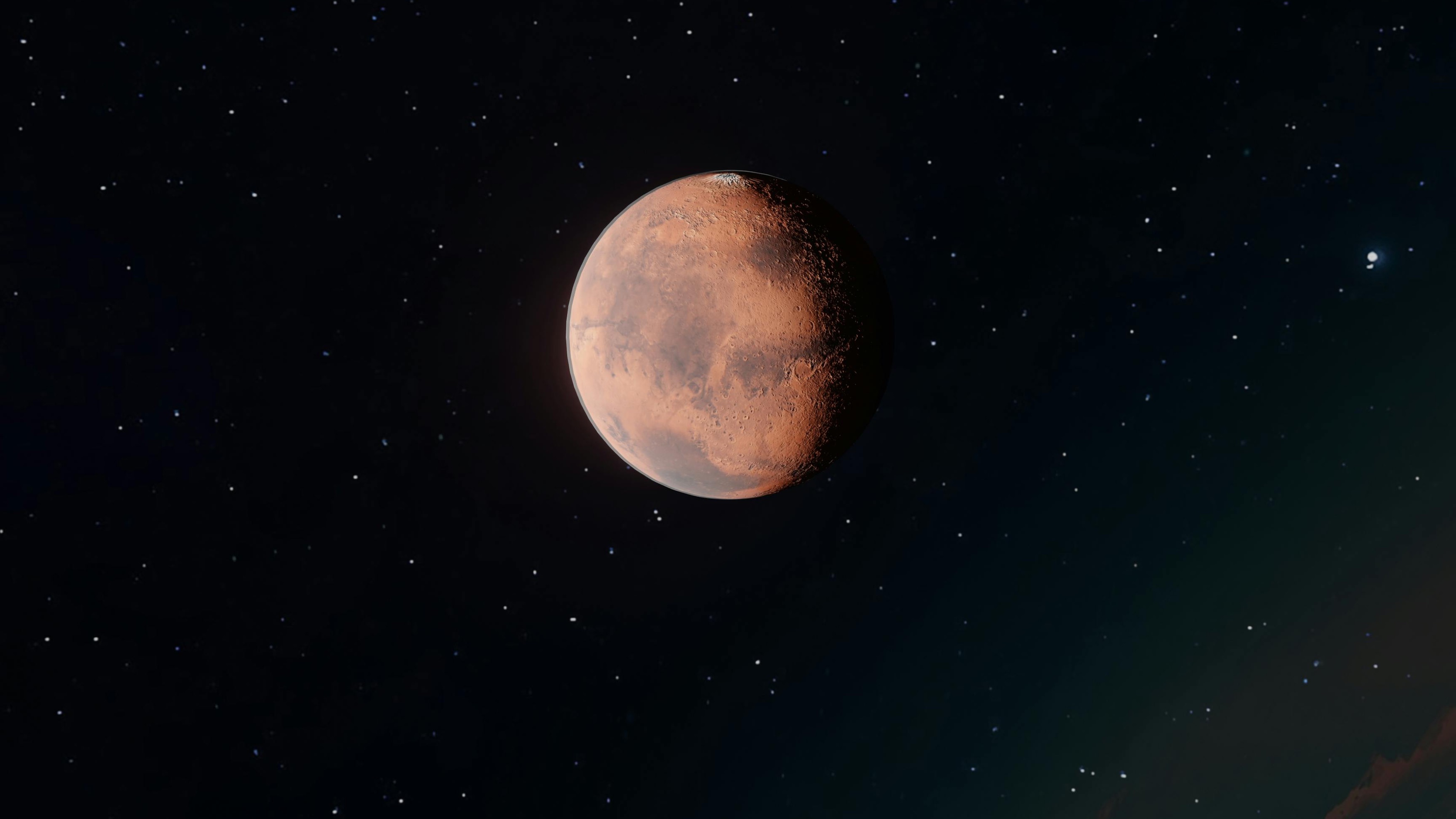
In a groundbreaking announcement, NASA has unveiled plans to launch the Space Reactor-1 Freedom (SR-1 Freedom), the first nuclear-powered interplanetary spacecraft, to Mars before the end of 2028. This mission seeks to demonstrate advanced nuclear electric propulsion in deep space, potentially transforming our approach to interplanetary exploration. The SR-1 Freedom will carry a payload of Ingenuity-class helicopters, known as Skyfall, to scout Mars' surface for future human missions. This ambitious endeavor marks a significant departure from traditional chemical propulsion methods, aiming to achieve faster and more efficient travel to distant planets. The SR-1 Freedom will utilize a compact nuclear reactor to generate electricity, powering electric thrusters that offer sustained propulsion over long distances. Unlike solar-powered spacecraft, nuclear propulsion operates independently of sunlight, making it viable for missions to the outer solar system. This technology has been under study for decades, but SR-1 Freedom represents the first practical application of nuclear propulsion for interplanetary travel. The mission's success could pave the way for more ambitious projects, including crewed missions to Mars and beyond. However, the announcement has raised several concerns. The use of nuclear technology in space is fraught with challenges, including safety risks during launch, potential contamination, and the management of nuclear materials. The international community may view the deployment of nuclear reactors in space as a provocative act, potentially leading to geopolitical tensions. Additionally, the feasibility of the mission within the proposed timeline is uncertain, given the complexities involved in developing and testing nuclear propulsion systems. The SR-1 Freedom mission also has significant implications for the future of space exploration. If successful, it could lead to the development of more advanced propulsion systems, reducing travel times to distant planets and enabling more ambitious scientific missions. The integration of autonomous helicopters on Mars could enhance our understanding of the planet's geology and climate, providing valuable data for future human colonization efforts. However, the mission's success is contingent upon overcoming substantial technical and political hurdles. In the broader context, NASA's announcement reflects a renewed commitment to space exploration under the current administration. The focus on nuclear propulsion aligns with the administration's emphasis on technological innovation and national security. However, the decision to prioritize this mission over other initiatives, such as the Lunar Gateway project, has sparked debate within the scientific community. Critics argue that resources could be better allocated to establishing a sustainable human presence on the Moon before embarking on more distant missions. In conclusion, NASA's plan to launch a nuclear-powered spacecraft to Mars by 2028 is a bold and ambitious undertaking that could revolutionize space travel. While the potential benefits are substantial, the mission faces significant technical, safety, and political challenges. The coming years will be critical in determining whether this vision can be realized and what it means for the future of human exploration of the solar system.
 🔬 science
NASA's Nuclear Mars Mission: Bold Leap or Risky Gamble?
NASA's ambitious plan to launch a nuclear-powered spacecraft to Mars by 2028 has sparked both excitement and skepticism. The mission aims to demonstrate advanced nuclear electric propulsion, a technology that could revolutionize deep-space travel. However, questions about safety, feasibility, and international implications loom large.
My Take
NASA's announcement of the SR-1 Freedom mission is a bold statement of intent, signaling a renewed commitment to space exploration. However, the decision to prioritize this mission over others, such as the Lunar Gateway project, raises questions about resource allocation and strategic planning. The focus on nuclear propulsion, while promising, introduces a host of technical and ethical challenges that must be addressed to ensure the mission's success and safety. The integration of autonomous helicopters on Mars is an exciting prospect, potentially providing unprecedented insights into the planet's surface. However, the reliance on nuclear technology in space is a double-edged sword. While it offers the promise of faster and more efficient travel, it also carries significant risks, including potential contamination and international concerns. NASA must navigate these challenges carefully to maintain public trust and international cooperation in space exploration.
What Happens Next
In the coming months, NASA will initiate the development phase of the SR-1 Freedom mission, focusing on the design and testing of the nuclear propulsion system. Concurrently, the agency will engage with international partners and regulatory bodies to address safety and policy concerns related to the use of nuclear technology in space. A series of public consultations and scientific reviews will be conducted to ensure transparency and address potential objections. The success of these efforts will determine the feasibility of the mission and its alignment with broader international agreements on the peaceful use of outer space.
What History Tells Us
The announcement of the SR-1 Freedom mission echoes the ambitious spirit of the Apollo program, which achieved the first human landing on the Moon in 1969. Both initiatives reflect a national commitment to technological innovation and exploration, though the SR-1 Freedom mission introduces new complexities due to the use of nuclear technology in space. The challenges faced by the Apollo program, including technical failures and geopolitical tensions, offer valuable lessons in risk management and international diplomacy.
Market Impact
The announcement of NASA's SR-1 Freedom mission is likely to influence the stock performance of companies involved in aerospace and defense sectors. Companies such as Lockheed Martin Corp. (LMT), Northrop Grumman Corp. (NOC), and Raytheon Technologies Corp. (RTX) may see increased interest from investors anticipating government contracts related to the mission. As of April 2, 2026, LMT is trading at $622.79, NOC at $702.50, and RTX at $196.21. Given the mission's ambitious timeline and technological requirements, these companies could experience a short-term bullish trend as they secure contracts for components and technologies essential to the mission's success.