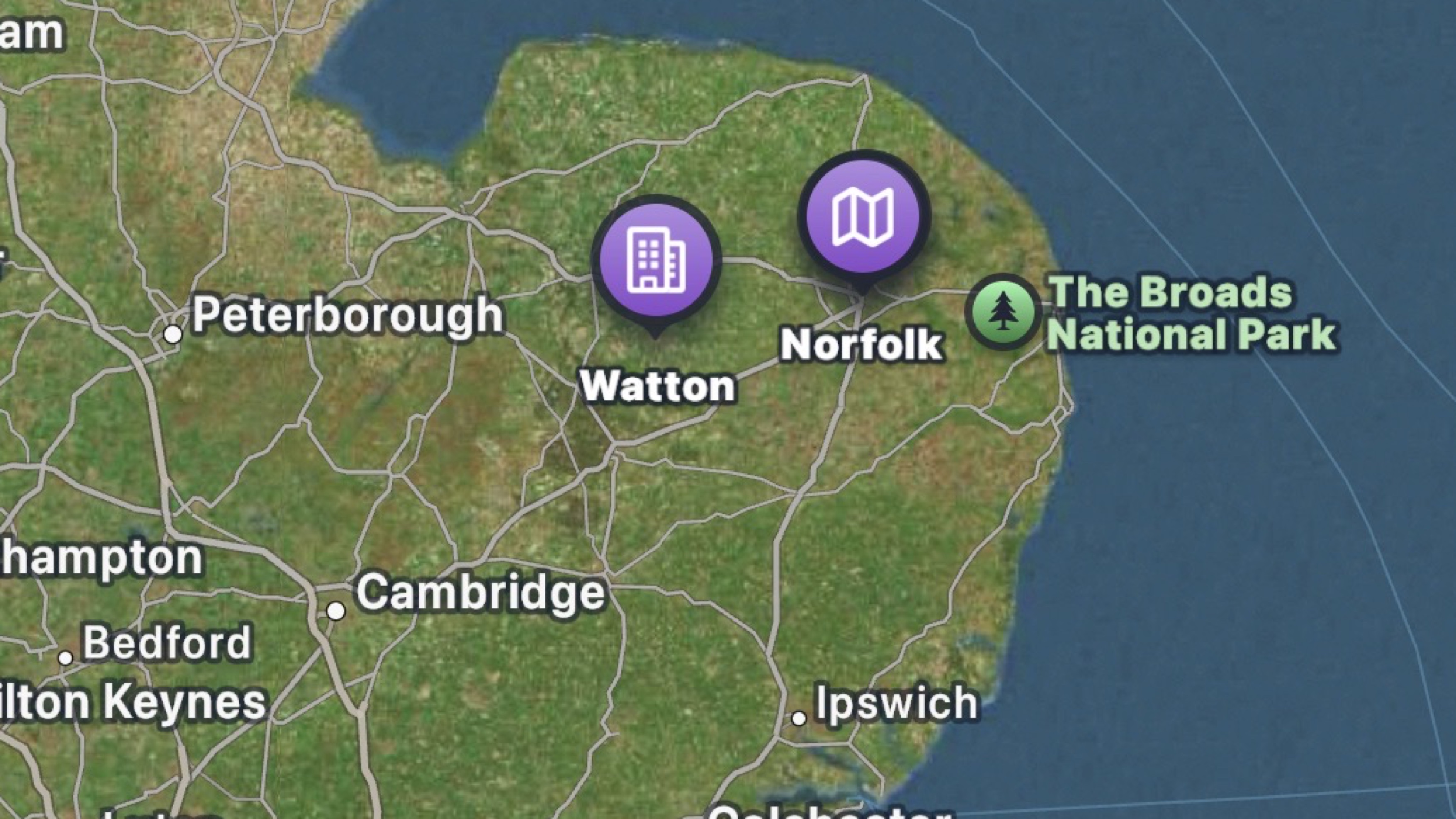
Watton, a market town of roughly 7,500 people in rural Norfolk, has become the latest flashpoint in Britain's ongoing asylum debate. Earlier this week, asylum seekers previously housed at a hotel in Norwich were relocated to accommodation in Watton without significant advance notice to local residents or community leaders. The move, part of the government's broader effort to redistribute asylum seekers away from large urban hotels, has sparked immediate pushback from segments of the community who argue they were not consulted. The relocation follows a pattern seen across Britain since 2022, when the government began using hotels to house asylum seekers waiting for their claims to be processed. As backlogs in the asylum system have stretched to years, these temporary hotel arrangements have become semi permanent, straining local services and inflaming community tensions in towns across England, Wales, and Scotland. The Home Office (the government department responsible for immigration and security) has faced criticism from both sides: advocates for asylum seekers point to inadequate support and inhumane conditions, while local communities complain about lack of transparency and consultation. Watton itself is a typical East Anglian town with a significant agricultural economy and a history of demographic shifts. The town has seen Polish and Lithuanian migration over the past two decades as workers arrived to support the farming sector, but this latest development represents a different kind of change. Unlike economic migrants who arrive with jobs, asylum seekers are barred from working while their claims are processed, creating a different dynamic in small communities where employment and self sufficiency are highly valued. The planned demonstration reflects deeper anxieties about resources, identity, and control. Norfolk County Council and local service providers are already stretched thin after years of austerity cuts. GP (General Practitioner) surgeries in rural areas are notoriously oversubscribed, school places can be tight, and social housing waiting lists are long. When asylum seekers arrive, they are entitled to the same public services as residents, which can exacerbate existing strains, particularly when local authorities receive limited additional funding to accommodate them. The timing is particularly sensitive given the broader political climate. With a general election potentially on the horizon and immigration remaining a top voter concern, local protests in places like Watton become symbolic battlegrounds. The government's asylum policies, including controversial plans to process claims offshore and the ongoing legal battles over Rwanda deportations, have failed to reduce either the number of arrivals or the processing times. Meanwhile, communities like Watton find themselves on the front lines of a policy crisis they did not create and feel powerless to influence.
 🏛️ politics
Norfolk Town Braces for Backlash Over Asylum Relocation
Watton, a quiet Norfolk market town, is preparing for demonstrations after asylum seekers were quietly moved from a Norwich hotel to local accommodation this week. The relocation has triggered fierce debate in a community unprepared for the sudden arrival. Tensions are escalating as organizers mobilize residents who feel blindsided by the government's decision.
My Take
Let's be clear: the anger in Watton is misdirected but not illegitimate. Residents have every right to be furious about sudden changes to their community imposed from above without consultation. But the people arriving in Watton are not the architects of this mess. They are human beings fleeing war, persecution, and violence, trapped in a bureaucratic nightmare that prevents them from working, integrating, or moving forward with their lives. The real villains are successive governments that have systematically dismantled the asylum system, creating years long backlogs while pursuing headline grabbing gimmicks like the Rwanda scheme instead of actually processing claims. The Home Office's approach of dumping asylum seekers in unprepared communities and hoping for the best is a masterclass in how to create resentment and division. If the government genuinely wanted integration to work, they would provide proper funding for local services, clear communication with residents, and most importantly, process asylum claims quickly so people can either stay legally and work or be removed if their claims fail. Instead, we get this performative cruelty that satisfies no one except politicians looking for convenient scapegoats. Watton deserved better. The asylum seekers being moved there deserved better. And Britain deserves an immigration system run by adults, not opportunists.
What Happens Next
The demonstration will likely attract a mixture of genuinely concerned local residents and opportunistic far right agitators looking to exploit community anxiety. Within 72 hours of the protest, we will see either a heavy police presence that inflames tensions further or a relatively peaceful gathering that media largely ignores. The real action happens behind closed doors: Norfolk County Council is already in emergency meetings trying to secure additional funding from the Home Office, which will be slow to arrive and inadequate when it does. Meanwhile, local charities and faith groups, who actually do the work of integration while protesters shout, are scrambling to provide language classes, food banks, and basic orientation services. Here is what almost nobody is watching: the asylum seekers moved to Watton are now in the community, and within three months, some local businesses will quietly hire them under the table because they need workers and the government's work prohibition is unenforceable in practice. This underground economy, which exists in dozens of similar towns across Britain, will further complicate the situation when it inevitably becomes public. The real test is not the protest, it is whether Watton can build the kind of grassroots integration networks that have worked in other small towns, or whether this becomes another Rochdale style disaster that haunts local politics for a generation.
What History Tells Us
Britain has faced similar backlashes during previous waves of refugee arrivals. In the 1970s, Ugandan Asians expelled by Idi Amin were settled in British towns with minimal consultation, sparking protests in Leicester and other cities. Local councils took out newspaper adverts warning Ugandan Asians not to come, fearing they could not cope. Yet within a generation, those refugees and their descendants became successful business owners and integral community members. The 2015 2016 Syrian refugee resettlement program saw similar initial resistance in some areas, though the structured sponsorship model and faster processing reduced tensions. The key difference then was government investment in integration support and, crucially, refugees were allowed to work from day one. Today's asylum seekers face indefinite limbo, making integration far harder and resentment far easier to stoke.