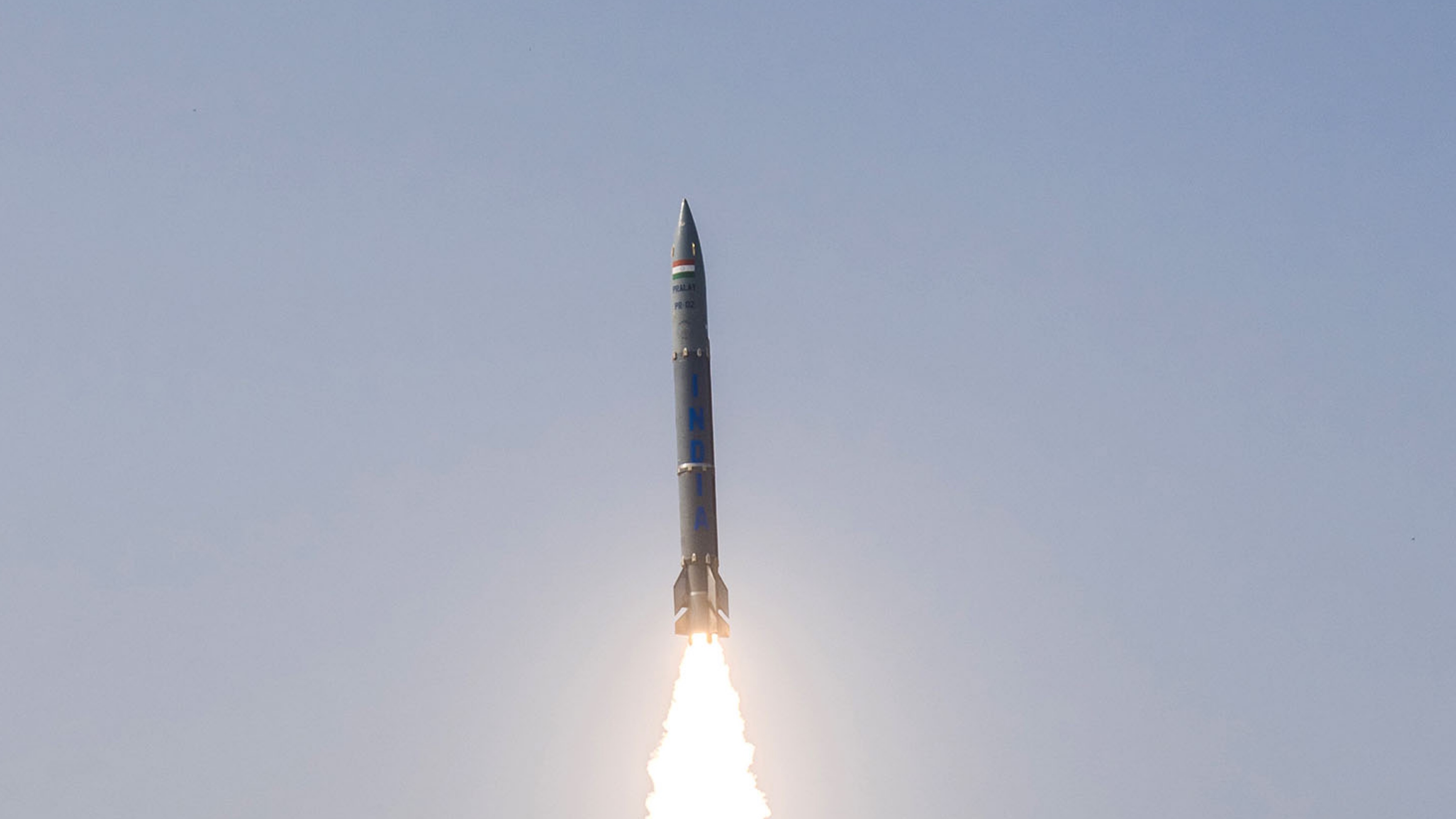
In a provocative display of defiance, North Korea has conducted multiple ballistic missile tests, underscoring its rejection of South Korea's attempts at reconciliation. The launches, originating from the Wonsan area on North Korea's eastern coast, saw missiles traveling approximately 240 kilometers (150 miles) each toward the East Sea. An additional missile was fired later, covering over 700 kilometers (435 miles) before landing outside Japan's exclusive economic zone. These actions come on the heels of a failed launch the previous day, further highlighting the North's aggressive posture. The timing of these missile tests is particularly significant. They coincide with remarks from Jang Kum Chol, North Korea's First Vice Minister of Foreign Affairs, who dismissed South Korea's hopes for improved relations, labeling Seoul as the North's "most hostile enemy state." This rhetoric follows South Korean President Lee Jae Myung's expression of regret over civilian drone incursions into North Korean territory, an incident that had previously heightened tensions between the two nations. North Korea's recent military activities are not limited to missile tests. The regime has been advancing its strategic capabilities, including the development of solid-fuel engines for intercontinental ballistic missiles (ICBMs). These engines offer the advantage of rapid deployment and concealment, enhancing the North's ability to launch surprise attacks. Such advancements are part of a broader strategy to bolster its nuclear deterrent and challenge regional missile defense systems. The United States has responded to these developments by reaffirming its commitment to the defense of its allies in the region. The U.S. Indo-Pacific Command stated that, based on current assessments, the recent missile launches do not pose an immediate threat to U.S. personnel or territory. However, the situation remains fluid, and the potential for escalation is ever-present. The international community watches with concern as North Korea continues to defy calls for dialogue and denuclearization. The implications of these actions extend beyond the Korean Peninsula, affecting regional stability and global security dynamics. The path forward remains uncertain, but the need for diplomatic engagement and strategic patience has never been more critical.
 🌍 world
North Korea's Missiles: A Middle Finger to Seoul's Peace Talks
North Korea's latest missile launches are a blatant snub to South Korea's peace overtures. Pyongyang's back-to-back tests and scathing remarks signal a deepening rift and escalating tensions in the region.
My Take
North Korea's recent missile tests and hostile rhetoric are a slap in the face to South Korea's peace efforts. Pyongyang's actions not only jeopardize regional stability but also challenge the international community's commitment to denuclearization. It's time for a robust response that holds the North accountable and reinforces the global stance against nuclear proliferation. Diplomatic niceties have failed; a firm, united front is now imperative to curb North Korea's provocations and prevent further escalation.
What Happens Next
In response to North Korea's provocations, South Korea and the United States are likely to conduct joint military exercises to demonstrate their readiness and deter further aggression. Diplomatic channels may intensify, with international mediators seeking to de-escalate tensions. However, North Korea's continued missile tests suggest a strategy aimed at pressuring the U.S. and its allies into concessions. The situation could lead to a renewed arms race in the region, with neighboring countries bolstering their defense capabilities in response to North Korea's advancements.
What History Tells Us
This escalation mirrors previous periods of heightened tensions on the Korean Peninsula, such as the 2017 crisis when North Korea conducted a series of nuclear tests and missile launches, leading to global condemnation and increased sanctions. The current situation underscores the persistent challenges in achieving denuclearization and lasting peace in the region.
Market Impact
The recent missile tests and escalating tensions are likely to impact regional markets, particularly in South Korea and Japan. Investors may react to perceived risks by moving assets away from the region, potentially affecting stock indices and currency values. However, the U.S. Indo-Pacific Command's assessment that the launches do not pose an immediate threat may mitigate some market volatility. Investors should monitor developments closely and consider the broader geopolitical context when making decisions.