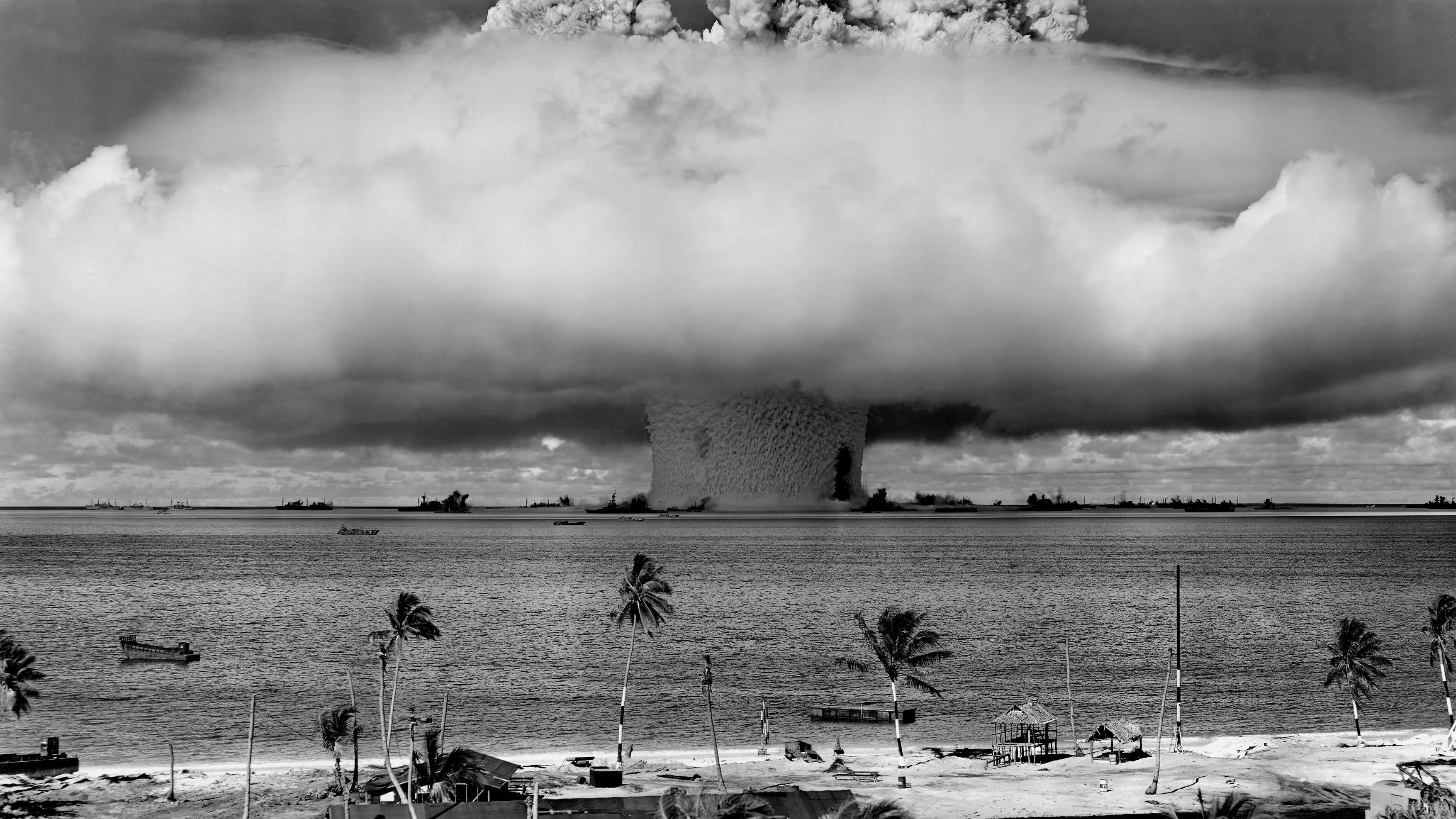
As the 2026 Review Conference of the Parties to the Treaty on the Non-Proliferation of Nuclear Weapons (NPT) approaches, a poignant testimony is set to take center stage. A survivor, who was exposed to radiation while still in the womb, is scheduled to share their harrowing experience during the conference. This personal account aims to underscore the often-overlooked human consequences of nuclear weapons testing, adding a deeply personal dimension to the ongoing discussions about nuclear disarmament and non-proliferation. The NPT, established in 1970, serves as the cornerstone of global efforts to prevent the spread of nuclear weapons and to promote peaceful uses of nuclear energy. The upcoming conference, slated for April 27 to May 22, 2026, in New York, is expected to address various pressing issues, including the humanitarian impact of nuclear weapons. The survivor's testimony is poised to be a powerful reminder of the real-world effects of nuclear testing, particularly on vulnerable populations. Historically, nuclear weapons testing has had devastating effects on human health and the environment. The legacy of these tests continues to affect communities worldwide, with many individuals suffering from radiation-related illnesses and psychological trauma. The survivor's account is expected to bring these issues to the forefront, challenging delegates to confront the human cost of nuclear weapons and to consider more robust measures for disarmament. The inclusion of such personal testimonies in international forums is crucial for fostering empathy and understanding. They serve as a stark reminder that behind the political and technical discussions are real people whose lives have been irrevocably altered. This approach aligns with the NPT's objectives to promote disarmament and prevent the spread of nuclear weapons, emphasizing the treaty's commitment to addressing the humanitarian consequences of nuclear weapons. As the conference approaches, the survivor's testimony is anticipated to influence the discourse, potentially leading to stronger commitments from state parties to address the humanitarian impact of nuclear weapons. It underscores the importance of incorporating human experiences into policy discussions to ensure that the voices of those affected are heard and considered in the pursuit of a nuclear-free world.
 ❤️ health
Nuclear Survivor's Testimony to Rock NPT Conference
A survivor of in-utero radiation exposure is set to testify at the upcoming Nuclear Non-Proliferation Treaty (NPT) Review Conference in New York, aiming to shed light on the human toll of nuclear weapons testing.
My Take
The upcoming testimony at the NPT Review Conference is a stark reminder of the human toll exacted by nuclear weapons testing. It's easy to get lost in the technicalities and political maneuvering of disarmament talks, but this survivor's story brings the issue back to its most fundamental level: real people suffering real consequences. This personal account should serve as a catalyst for delegates to move beyond rhetoric and take concrete actions toward disarmament. Incorporating such testimonies into international forums is not just a moral imperative; it's a strategic necessity. They humanize the abstract discussions and force policymakers to confront the realities of their decisions. If the NPT is to remain relevant and effective, it must evolve to address the humanitarian aspects of nuclear weapons, ensuring that the voices of those affected are not just heard but acted upon.
What Happens Next
The survivor's testimony is expected to resonate deeply with conference attendees, potentially leading to a renewed focus on the humanitarian consequences of nuclear weapons. This could catalyze more robust disarmament measures and prompt states to reevaluate their nuclear policies. The emotional weight of the testimony may also influence public opinion, increasing pressure on governments to act decisively toward a nuclear-free world.
What History Tells Us
The inclusion of personal testimonies in international forums echoes past efforts to humanize policy discussions. For instance, during the 1995 NPT Review Conference, the inclusion of survivor accounts from Hiroshima and Nagasaki played a pivotal role in shaping the treaty's extension and the commitment to disarmament.