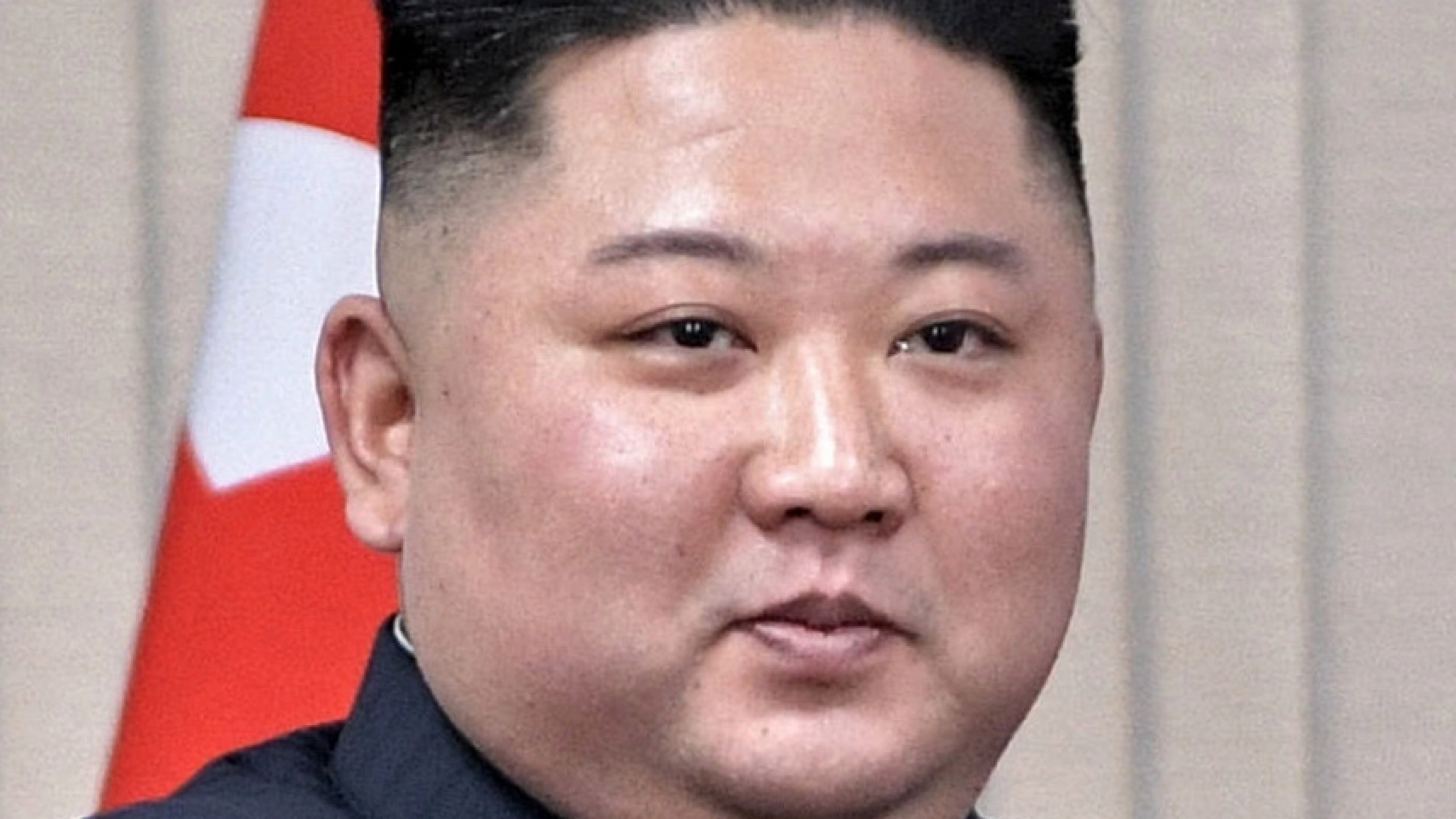
North Korea's recent missile engine test has sent shockwaves through the international community. Under the watchful eye of leader Kim Jong Un, state media reported a successful ground test of an upgraded solid-fuel engine, boasting a thrust of 2,500 kilonewtons—an increase from the previous 1,970 kilonewtons. This development is positioned as a significant enhancement to North Korea's strategic military capabilities, particularly in targeting the U.S. mainland. Solid-fuel engines are prized for their mobility and rapid launch readiness, offering a stark contrast to the cumbersome liquid-fueled counterparts. This advancement suggests a potential shift in North Korea's missile strategy, moving towards more agile and harder-to-detect systems. However, the absence of detailed test parameters, such as combustion time, raises questions about the veracity of these claims. Some analysts speculate that Pyongyang might be inflating its progress to bolster its negotiating position on the global stage. The timing of this test is also noteworthy. It aligns with North Korea's five-year strategic weapons development plan, which emphasizes the enhancement of long-range missile capabilities. The recent re-election of Kim Jong Un as the General Secretary of the Workers' Party of Korea and the convening of the Supreme People's Assembly to deliberate on constitutional revisions underscore the regime's commitment to solidifying its nuclear status. These political maneuvers suggest a concerted effort to project strength and deter external pressures. International reactions have been swift. South Korea's defense ministry has expressed concern over the potential implications for regional security, urging for a measured response. The United States, while acknowledging the test, has called for renewed diplomatic efforts to address the escalating tensions. The United Nations Security Council is expected to convene an emergency session to discuss potential sanctions or other measures in response to North Korea's actions. In the broader context, this missile test is part of a series of recent military activities by North Korea, including the launch of multiple ballistic missiles into the Sea of Japan and the testing of cruise missiles from the destroyer Choe Hyon. These actions indicate a pattern of escalating provocations aimed at asserting North Korea's military prowess and challenging international norms. The cumulative effect of these tests is a heightened sense of insecurity among neighboring countries and a renewed focus on defense preparedness. The strategic calculus behind North Korea's missile tests appears to be twofold: to advance its military capabilities and to strengthen its bargaining position in future diplomatic negotiations. By demonstrating technological advancements, North Korea seeks to compel the international community to acknowledge its status as a nuclear power, thereby seeking concessions or relief from sanctions. The regime's actions also serve to consolidate internal support by portraying strength and resilience in the face of external pressures. However, the international community remains divided on how to respond. While some advocate for increased sanctions to deter further provocations, others emphasize the need for dialogue and engagement to address the underlying issues. The challenge lies in balancing the enforcement of international norms with the pursuit of diplomatic solutions that address the security concerns of all parties involved.
 🌍 world
Kim's Missile Test: A Game-Changer or Bluff?
North Korea's latest missile engine test has the world on edge. But is it a true leap in capability or just another show of force?
My Take
North Korea's latest missile engine test is a classic case of saber-rattling designed to extract concessions from the international community. While the technical details are impressive, the lack of transparency and the timing of the test suggest that this is more about posturing than actual capability. The global response should be measured, focusing on diplomatic channels rather than escalating tensions further. Engaging North Korea in dialogue remains the most effective strategy to address the underlying issues and prevent future provocations.
What Happens Next
In the coming weeks, the United Nations Security Council is expected to convene an emergency session to discuss potential sanctions or other measures in response to North Korea's actions. Concurrently, diplomatic backchannels may be activated to explore avenues for dialogue, with South Korea and the United States leading efforts to engage North Korea in discussions aimed at de-escalation. The effectiveness of these diplomatic initiatives will depend on the willingness of all parties to compromise and seek common ground, balancing security concerns with the pursuit of regional stability.