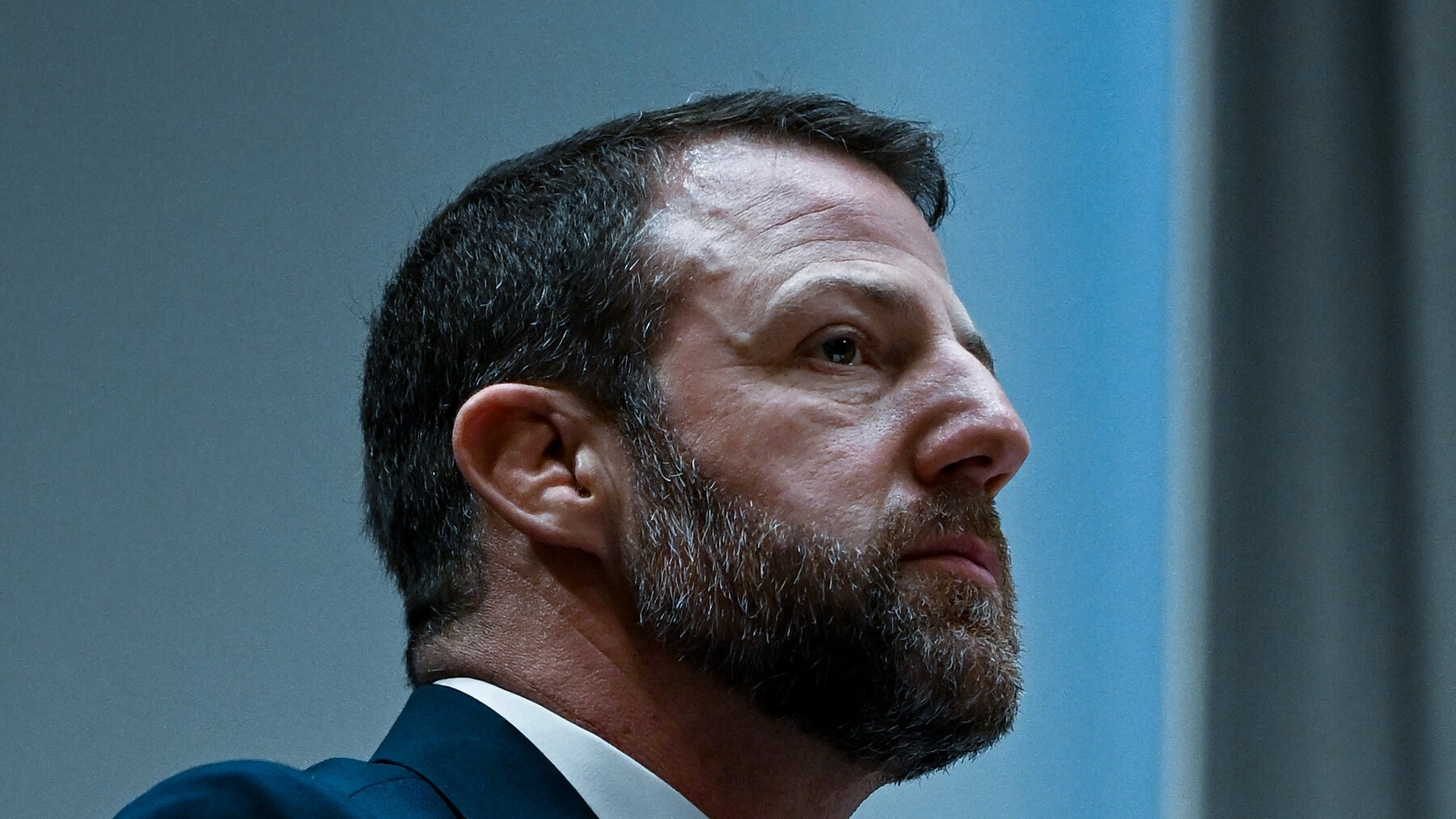
In a decisive Senate vote, Senator Markwayne Mullin (R-Okla.) has been confirmed as the new Secretary of the Department of Homeland Security (DHS), succeeding Kristi Noem. The confirmation, which passed with a 54-45 vote largely along party lines, marks a significant shift in DHS leadership amid ongoing challenges within the department. Notably, Democratic Senators Martin Heinrich and John Fetterman voted in favor of Mullin's confirmation, while Republican Senator Rand Paul voted against it. This bipartisan split underscores the contentious nature of Mullin's nomination and the polarized political climate surrounding DHS operations. Mullin, a member of the Cherokee Nation and former junior senator from Oklahoma, steps into the role at a critical juncture. The DHS is grappling with a severe staffing crisis, with over 400 Transportation Security Administration (TSA) officers resigning since mid-February. This exodus has led to significant airport delays and operational disruptions, highlighting the department's current instability. Additionally, the DHS is facing a substantial funding impasse, resulting in furloughs and unpaid work for thousands of employees. These issues have intensified public dissatisfaction and raised questions about the department's effectiveness in safeguarding national security. During his confirmation hearings, Mullin addressed concerns regarding his temperament and past conduct. He faced scrutiny over previous personal attacks, including comments supporting an assault on Senator Rand Paul in 2017. Despite these controversies, Mullin maintained a combative stance, aligning with former President Donald Trump's expectations. He also defended his involvement in classified overseas activities, which had drawn accusations of stolen valor. While Mullin's responses were assertive, they did little to alleviate skepticism among some senators about his suitability for the role. Mullin's appointment has raised questions about the future direction of DHS, particularly concerning the Cybersecurity and Infrastructure Security Agency (CISA). The agency has faced significant workforce cuts and continues to contend with a leadership vacuum, prompting concerns about its ability to effectively address cyber threats. The lack of a clear strategy for CISA's future under Mullin's leadership adds to the uncertainty surrounding the department's priorities and operational focus. Furthermore, Mullin's confirmation comes amid a broader debate over immigration enforcement policies. The DHS has been heavily criticized for its aggressive tactics, including indiscriminate raids and deportations without due process, leading to public outcry and legal challenges. Mullin's stance on these issues remains a focal point, with many questioning whether he will continue the hardline approach or seek reforms to address the department's controversial practices. In summary, Senator Markwayne Mullin's confirmation as Secretary of Homeland Security represents a pivotal moment for the department. While his leadership could potentially steer DHS toward stability and reform, the challenges ahead are formidable. The coming months will be critical in determining whether Mullin can navigate the complex landscape of national security, staffing shortages, and policy controversies to restore public trust and operational effectiveness within the department.
 🏛️ politics
Mullin's Homeland Security Gamble: A Risky Bet
Senator Markwayne Mullin's confirmation as Homeland Security Secretary is a bold move that could either stabilize or further destabilize the department. With a 54-45 Senate vote, his leadership is now under intense scrutiny.
My Take
Mullin's appointment is a gamble that could either stabilize or further destabilize the Department of Homeland Security. His combative approach and controversial past raise serious questions about his ability to lead effectively. The department is in crisis, and Mullin's leadership style may not be the remedy it desperately needs. His confirmation is a bold move, but whether it will pay off remains to be seen. The stakes are high, and the nation is watching closely to see if Mullin can rise to the occasion or if this will be another misstep in DHS's troubled history.
What Happens Next
Mullin's immediate priority will be to address the staffing crisis within the TSA, aiming to restore normal operations at airports nationwide. He will also need to navigate the contentious immigration enforcement policies, balancing the administration's agenda with public and legal pressures for reform. Additionally, Mullin must provide clear direction for CISA to ensure the nation's cybersecurity infrastructure is adequately protected. His ability to manage these challenges will determine the success of his tenure as Secretary of Homeland Security.