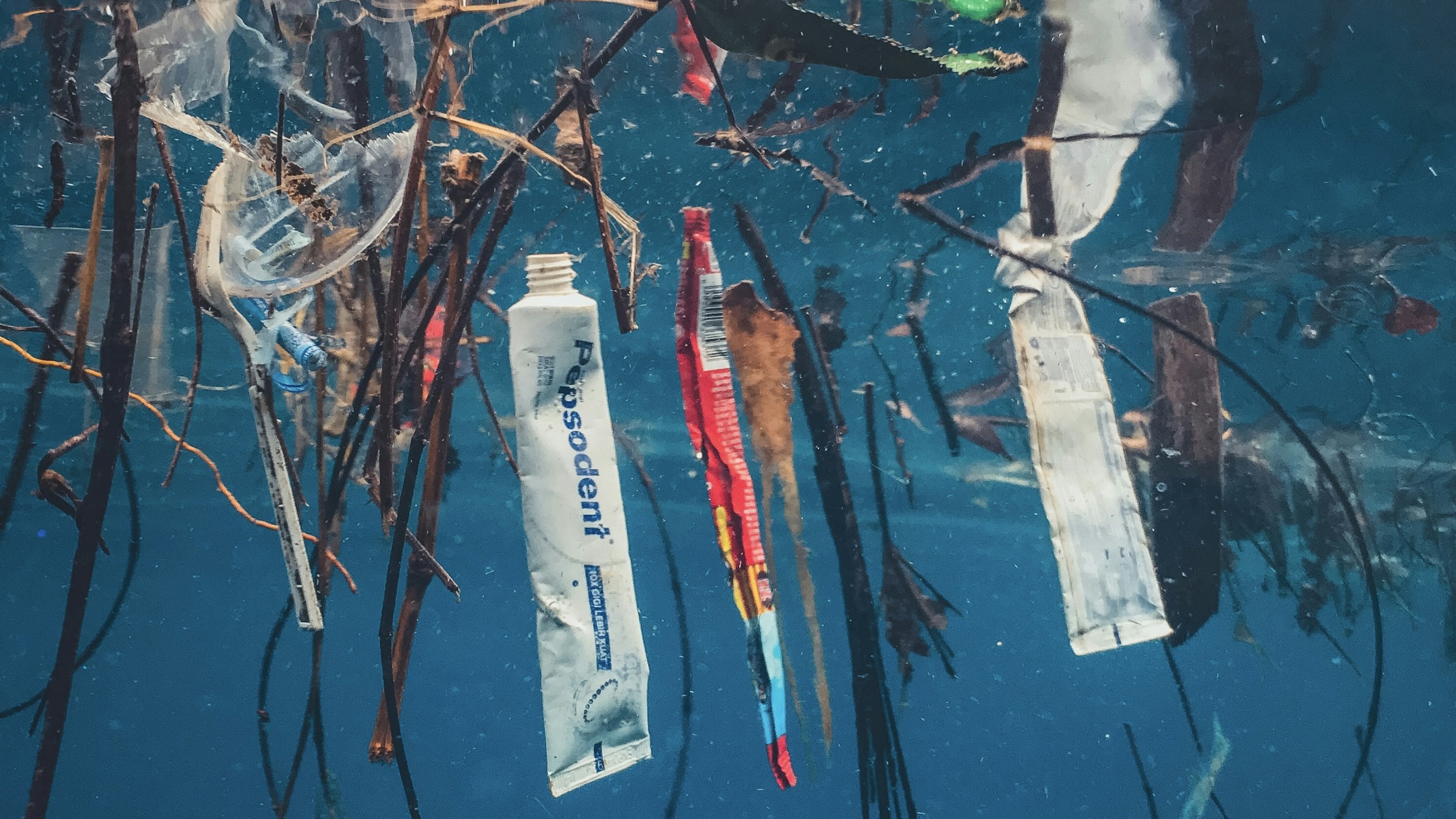
For years, the fate of the ocean's plastic waste was a mystery. Recent research has unveiled a chilling reality: this plastic doesn't vanish; it degrades into nanoplastics—particles less than one micrometer in size. These particles are so tiny that they permeate water, air, and the bodies of marine life, making their way up the food chain and into humans. The implications are profound, as nanoplastics can transport harmful chemicals, potentially leading to health issues such as cardiovascular diseases, obesity, and even cancer. The ubiquity of these particles means they are now present in our food, water, and air, posing a global health crisis. The persistence of plastics in the environment, especially in oceans, has been a growing concern. Their breakdown into microplastics and nanoplastics has been linked to various environmental and health problems. Studies have shown that these particles can accumulate in marine organisms, leading to potential harm to aquatic food chains and human health. The presence of nanoplastics in human tissues, including the colon, lungs, and even placentas, underscores the urgent need for comprehensive research into their long-term health effects. The environmental impact of plastic pollution is also significant. Nanoplastics can transport pollutants and pathogens, affecting marine ecosystems and biodiversity. Their small size allows them to infiltrate various habitats, making them a pervasive threat to the environment. The discovery of nanoplastics in the ocean's depths and their widespread distribution highlight the inadequacy of current waste management practices. The accumulation of these particles in marine organisms and their potential transfer up the food chain necessitate immediate action to mitigate their impact. Addressing the issue of nanoplastics requires a multifaceted approach, including reducing plastic production, improving waste management, and developing technologies to remove existing pollutants from the environment. Public awareness and policy interventions are crucial to combat this emerging threat to both human health and the environment.
 🔬 science
Ocean's Plastic Crisis: Nanoplastics Invade Our Bodies
Scientists have uncovered a disturbing truth: the ocean's 'missing' plastic hasn't disappeared; it's been transformed into trillions of microscopic nanoplastics infiltrating water, air, and living organisms. These minuscule particles are now present in our bodies, raising alarming health concerns.
My Take
The revelation that nanoplastics have infiltrated our bodies is a wake-up call. For too long, we've ignored the environmental consequences of our plastic consumption, and now it's coming back to haunt us. The fact that these particles are present in human tissues is a stark reminder of the interconnectedness of our actions and the environment. It's time to rethink our relationship with plastic and take responsibility for the damage we've caused. The health risks associated with nanoplastics are not just theoretical; they are real and present. The potential link to serious health conditions should be a catalyst for change. We cannot afford to wait for more evidence; the time to act is now. The environmental impact of nanoplastics is equally concerning. Their ability to transport pollutants and pathogens means they are not just a health risk but also a threat to biodiversity and ecosystem stability. This is a global issue that requires a global response. The discovery of nanoplastics in the ocean's depths and their widespread distribution highlight the inadequacy of current waste management practices. The accumulation of these particles in marine organisms and their potential transfer up the food chain necessitate immediate action to mitigate their impact. Addressing the issue of nanoplastics requires a multifaceted approach, including reducing plastic production, improving waste management, and developing technologies to remove existing pollutants from the environment. Public awareness and policy interventions are crucial to combat this emerging threat to both human health and the environment.
What Happens Next
In response to the alarming findings, global health organizations are expected to intensify research into the health impacts of nanoplastics. Governments may implement stricter regulations on plastic production and waste management to curb the proliferation of these particles. Public awareness campaigns will likely be launched to educate consumers on the risks associated with plastic consumption and encourage sustainable alternatives. Additionally, technological innovations aimed at removing existing nanoplastics from the environment may receive increased funding and support. The scientific community will continue to monitor the situation, providing updates on the effectiveness of these measures and any new developments in understanding the full scope of nanoplastics' impact on human health and the environment.