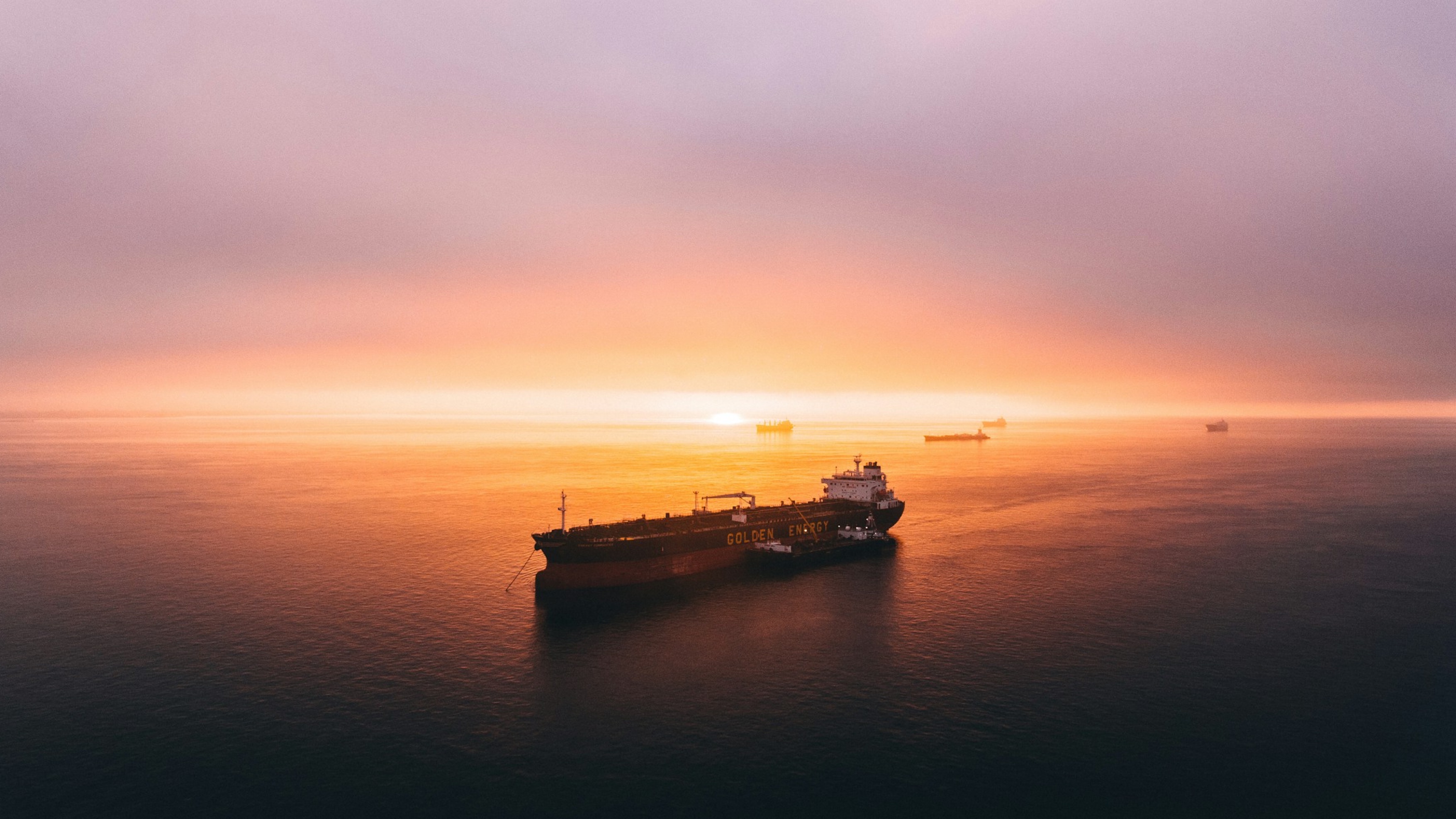
In a significant shift, three supertankers have successfully traversed the Strait of Hormuz, a vital chokepoint for global oil transit. This marks the first such movement since the onset of the U.S.-Iran conflict in February, which had led to a near-total blockade of the strait. The vessels—two Chinese supertankers, Cospearl Lake and He Rong Hai, and the Greek-flagged Serifos—each capable of carrying approximately 2 million barrels of crude oil, navigated a trial route bypassing Iran's Larak Island. This maneuver suggests a cautious resumption of normal tanker traffic through the strait, which handles about 20% of the world's oil and liquefied natural gas shipments. The resumption of these shipments is crucial for global energy markets, as the blockade had previously led to significant disruptions and soaring oil prices. The U.S. Energy Information Administration (EIA) had reported that the closure resulted in the shut-in of 7.5 million barrels per day of crude oil production in March, with expectations of a gradual return to pre-conflict levels by late 2026. The successful transit of these tankers coincides with ongoing U.S.-Iran peace negotiations, with talks set to begin in Islamabad. The ceasefire agreement, which had been fragile, now faces the challenge of translating into sustained stability in the region. The movement of these tankers could signal a tentative step towards normalizing shipping routes, but the situation remains delicate. The geopolitical dynamics, including Iran's control over the strait and its ability to impose tolls, continue to influence the flow of oil through this critical passage. The international community remains vigilant, monitoring the developments closely to assess the long-term implications for global energy security and market stability.
 📈 business
Oil Tankers Break Hormuz Blockade Amid US-Iran Talks
Three supertankers have navigated the Strait of Hormuz, signaling a potential easing of the blockade that has disrupted global oil shipments since February. This development coincides with ongoing U.S.-Iran peace negotiations aimed at stabilizing the region's energy flow.
My Take
The successful passage of these supertankers through the Strait of Hormuz is a glimmer of hope in a region that has been a powder keg for global oil markets. However, this is not a green light to assume that the crisis is over. The geopolitical chess game between the U.S. and Iran is far from settled, and the strait's reopening could be a temporary concession rather than a permanent solution. The international community must remain cautious, ensuring that this development doesn't lull us into a false sense of security. The real test will be whether this is the beginning of a sustained de-escalation or just a brief respite in a volatile region. The stakes are high, and the world cannot afford to be complacent in the face of such uncertainty.
What Happens Next
The successful transit of these supertankers through the Strait of Hormuz is a tentative step towards normalizing shipping routes, but the situation remains delicate. The international community remains vigilant, monitoring the developments closely to assess the long-term implications for global energy security and market stability. The real test will be whether this is the beginning of a sustained de-escalation or just a brief respite in a volatile region. The stakes are high, and the world cannot afford to be complacent in the face of such uncertainty.
Market Impact
The resumption of oil shipments through the Strait of Hormuz is expected to alleviate some pressure on global oil prices, which had been elevated due to the blockade. However, the market remains cautious, as the geopolitical situation is still volatile. Investors are likely to monitor the situation closely, with potential impacts on oil-related stocks and commodities. The market's response will depend on the stability of the ceasefire and the broader geopolitical developments in the region.