In a significant legal development, U.S. District Judge Paul Friedman has ruled that the Pentagon violated his previous order to restore press access by implementing a new policy that continued to impose unconstitutional restrictions on journalists. This ruling marks the second time in recent weeks that the Pentagon's press policies have been struck down by the courts, highlighting a persistent clash between the Defense Department and the media over access to information. The controversy began when the Pentagon introduced a policy that required journalists to obtain prior approval before reporting on certain topics, effectively limiting their ability to cover military operations and decisions freely. The New York Times, along with other media organizations, challenged this policy, arguing that it infringed upon First and Fifth Amendment rights. In March, Judge Friedman ruled in favor of the Times, declaring the policy unconstitutional and ordering the restoration of press credentials for affected journalists. Despite this ruling, the Pentagon attempted to circumvent the court's decision by implementing a revised policy that maintained many of the same restrictions. Judge Friedman found that this new policy was essentially a rebranding of the previous one and continued to violate constitutional rights. He emphasized that the Defense Department cannot simply reinstate an unlawful policy under the guise of taking 'new' action and expect the court to overlook it. The Pentagon's actions have drawn sharp criticism from press freedom advocates and legal experts. They argue that the Defense Department's persistent attempts to restrict press access are not only unlawful but also detrimental to the public's right to know, especially during times of military engagement. The media plays a crucial role in informing the public about government actions, and any attempt to limit this access undermines democratic principles. This ongoing legal battle underscores the broader issue of press freedom in the United States. While the government has a legitimate interest in protecting national security, it must also respect constitutional rights, including the freedom of the press. The courts have consistently found that the Pentagon's attempts to control the narrative by restricting press access are unconstitutional, reinforcing the importance of an independent and free press in holding the government accountable. The Pentagon has indicated plans to appeal Judge Friedman's ruling, suggesting that this legal saga is far from over. The outcome of this appeal could have significant implications for press access to government facilities and the broader discourse on press freedom in the United States.
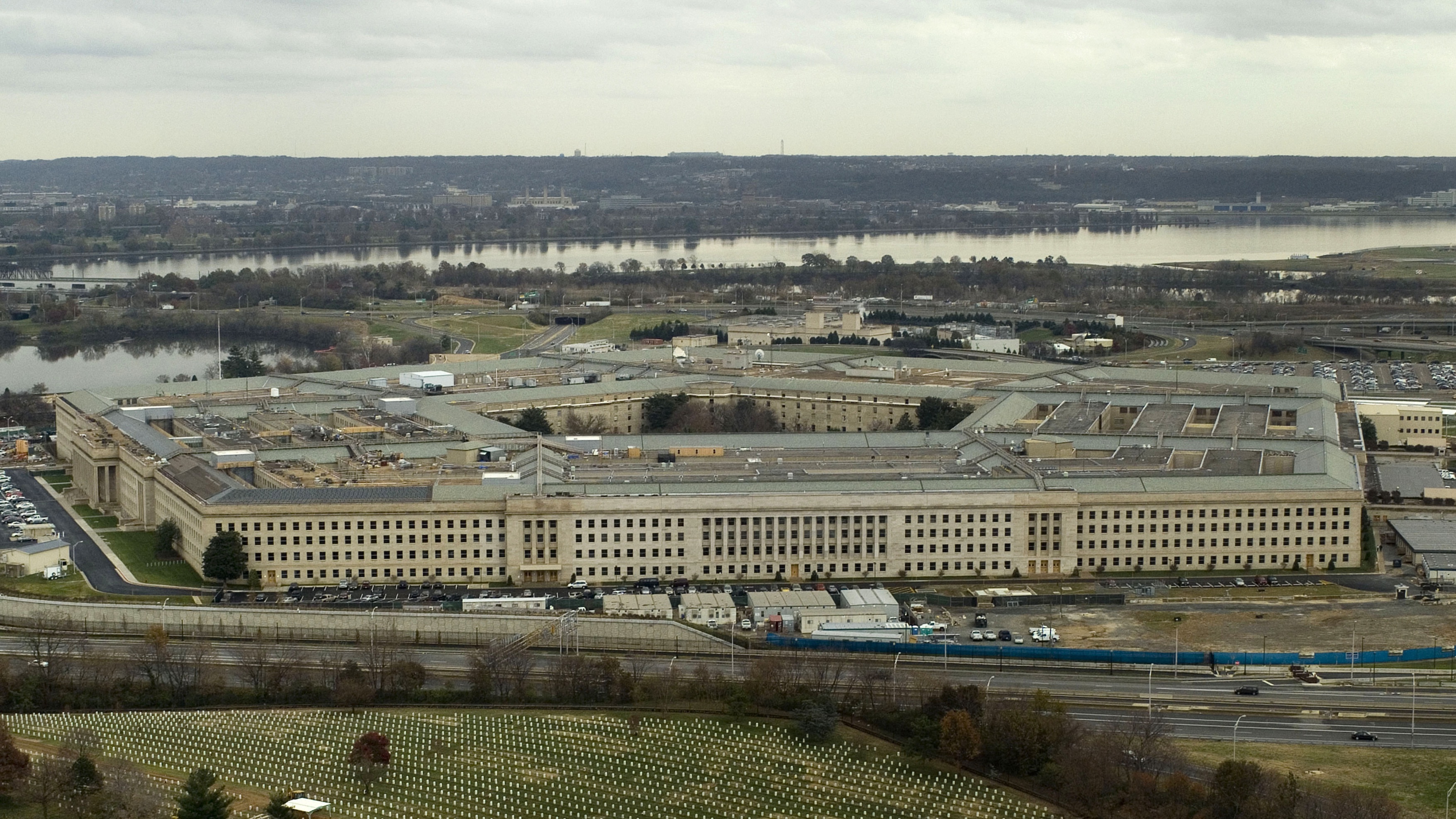 🏛️ politics
Pentagon's Press Access Policy Struck Down Again
A federal judge has once again ruled against the Pentagon's restrictive press access policy, ordering the restoration of credentials for journalists. This decision underscores the ongoing tension between the Defense Department and the media over access to information.
My Take
The Pentagon's repeated attempts to restrict press access are not just legal missteps; they are a direct assault on the principles of democracy. By trying to control the flow of information, the Defense Department is undermining the very foundation of a free society. This isn't just about access to a building; it's about the public's right to know and the media's role in holding power accountable. The courts have rightly struck down these policies, but the Pentagon's persistence suggests a troubling disregard for constitutional rights. It's time for the Defense Department to respect the rule of law and the essential role of the press in a free society.
What Happens Next
The Pentagon's decision to appeal Judge Friedman's ruling sets the stage for a protracted legal battle. If the appeal is unsuccessful, the Defense Department will be compelled to fully restore press access, potentially leading to a reevaluation of its press policies. This could also prompt other government agencies to reconsider similar restrictions, reinforcing the judiciary's role in upholding constitutional rights. However, if the appeal succeeds, it could embolden the Pentagon to continue its restrictive practices, potentially leading to further legal challenges and public outcry. The outcome of this case will likely influence the future of press freedom and government transparency in the United States.