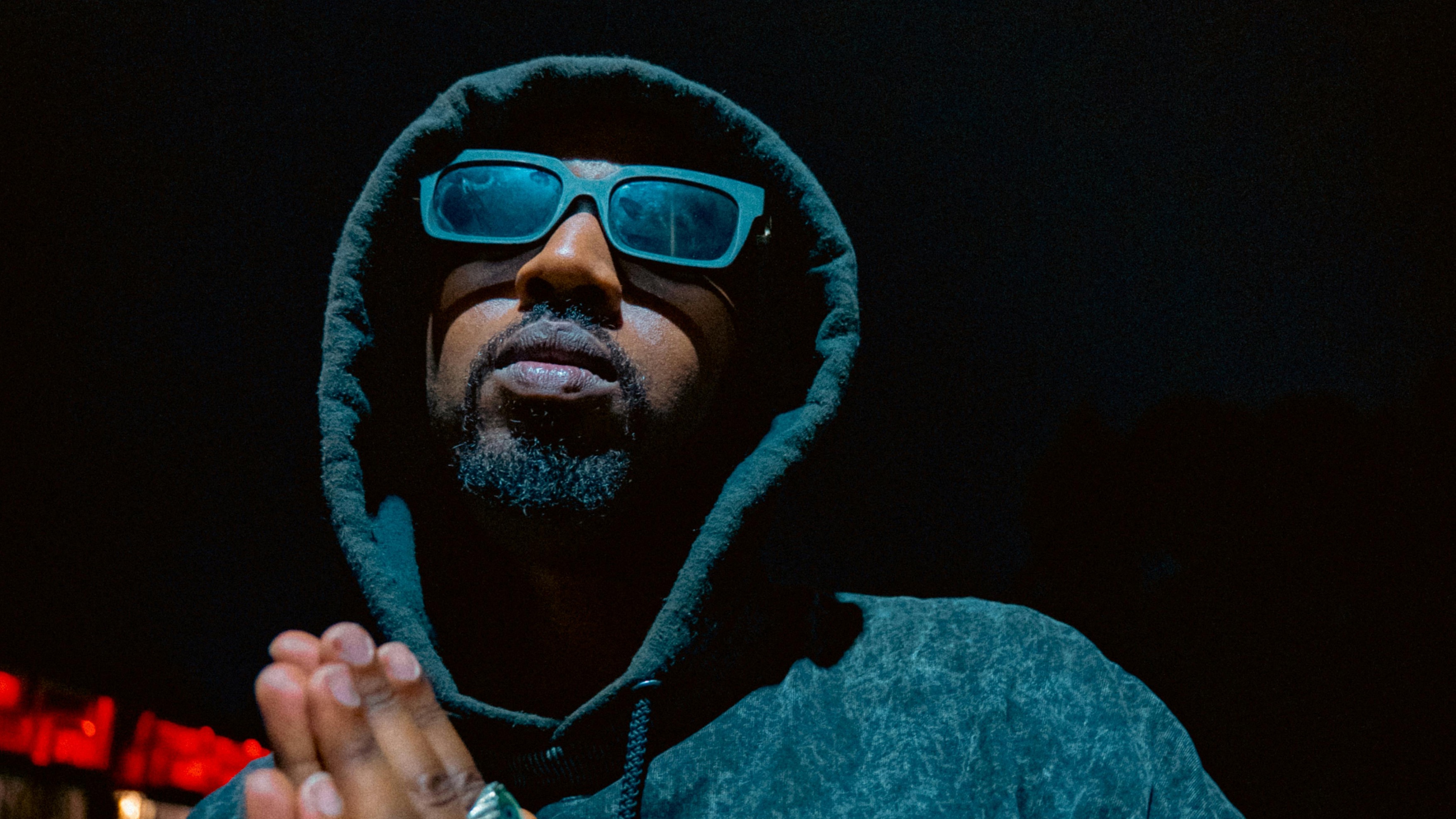
Pepsi's decision to withdraw its sponsorship from the Wireless Festival in London has sent shockwaves through the music and corporate worlds. The beverage giant, which had been the festival's main sponsor since 2015, cited its decision to 'withdraw its sponsorship of Wireless Festival' without explicitly mentioning Kanye West's involvement. This move comes in the wake of mounting criticism over West's past antisemitic statements and actions. Kanye West, now known as Ye, is scheduled to headline all three nights of the Wireless Festival at Finsbury Park in July 2026. His booking has sparked significant backlash, particularly from UK Prime Minister Keir Starmer, who described the decision as 'deeply concerning.' Starmer emphasized that 'antisemitism in any form is abhorrent and must be confronted firmly wherever it appears,' underscoring the responsibility to ensure the safety and security of Jewish communities in Britain. The controversy surrounding West is not new. In recent years, he has faced widespread condemnation for various incidents, including antisemitic remarks on social media, a Super Bowl advertisement promoting a swastika T-shirt, and the release of a song titled 'Heil Hitler.' Despite issuing an apology in January 2026, attributing his behavior to a manic episode related to his bipolar-1 disorder, public and political opposition remains strong. Pepsi's withdrawal raises questions about the festival's future. As the primary sponsor, Pepsi's departure leaves a significant void. The festival organizers have yet to respond publicly, and it's unclear how they plan to proceed. The situation also casts a spotlight on the broader issue of corporate responsibility and the extent to which companies should be held accountable for the actions and statements of the artists they support. This incident highlights the delicate balance between artistic freedom and corporate ethics. While artists are often given leeway for controversial expressions, there is a growing expectation for companies to align their brand values with societal norms and values. The pressure on Wireless Festival organizers to reconsider West's headlining role is mounting, and the outcome could set a precedent for how similar situations are handled in the future.
 📈 business
Pepsi Dumps Wireless Festival Over Kanye's Antisemitic Past
Pepsi has pulled its sponsorship from London's Wireless Festival after Kanye West was booked to headline all three nights. The move follows criticism from UK Prime Minister Keir Starmer over West's history of antisemitic remarks.
My Take
Pepsi's decision to sever ties with the Wireless Festival is a bold move that reflects a growing intolerance for antisemitism in the entertainment industry. It's a clear message that companies can no longer afford to overlook the past actions of the artists they associate with. While some may argue that this stifles artistic expression, the reality is that endorsing individuals with a history of hate speech sends the wrong message to consumers and communities alike. The festival organizers now find themselves at a crossroads. They can either stand by their decision to feature West, risking further backlash and potential loss of support from other sponsors, or they can reconsider their lineup to align with public sentiment. This situation underscores the importance of due diligence when booking artists and the potential consequences of overlooking an artist's history. Ultimately, this episode serves as a reminder that the entertainment industry is not immune to the societal values and expectations that shape our world. Companies and event organizers must be prepared to make tough decisions that prioritize ethical considerations over potential profits, especially when it comes to issues as serious as antisemitism.
What Happens Next
In the wake of Pepsi's withdrawal, the Wireless Festival organizers are under intense pressure to reassess their headliner lineup. The festival's credibility and future sponsorships are at stake, and they may need to make a public statement or even reconsider West's participation to salvage the event. This situation could also prompt other sponsors to reevaluate their associations with the festival, leading to a domino effect that could reshape the festival's future. If the organizers choose to stand by their decision to feature West, they risk further alienating potential sponsors and attendees who are sensitive to issues of hate speech and antisemitism. This could lead to a decline in ticket sales and a tarnished reputation that may take years to repair. Alternatively, if the organizers decide to remove West from the lineup, they may face backlash from his fanbase and supporters who view the decision as capitulating to political pressure. This could create a rift between the festival organizers and a segment of their audience, complicating the situation further. The outcome of this controversy will likely set a precedent for how similar situations are handled in the future, influencing the decisions of other event organizers and sponsors when it comes to booking artists with controversial histories.