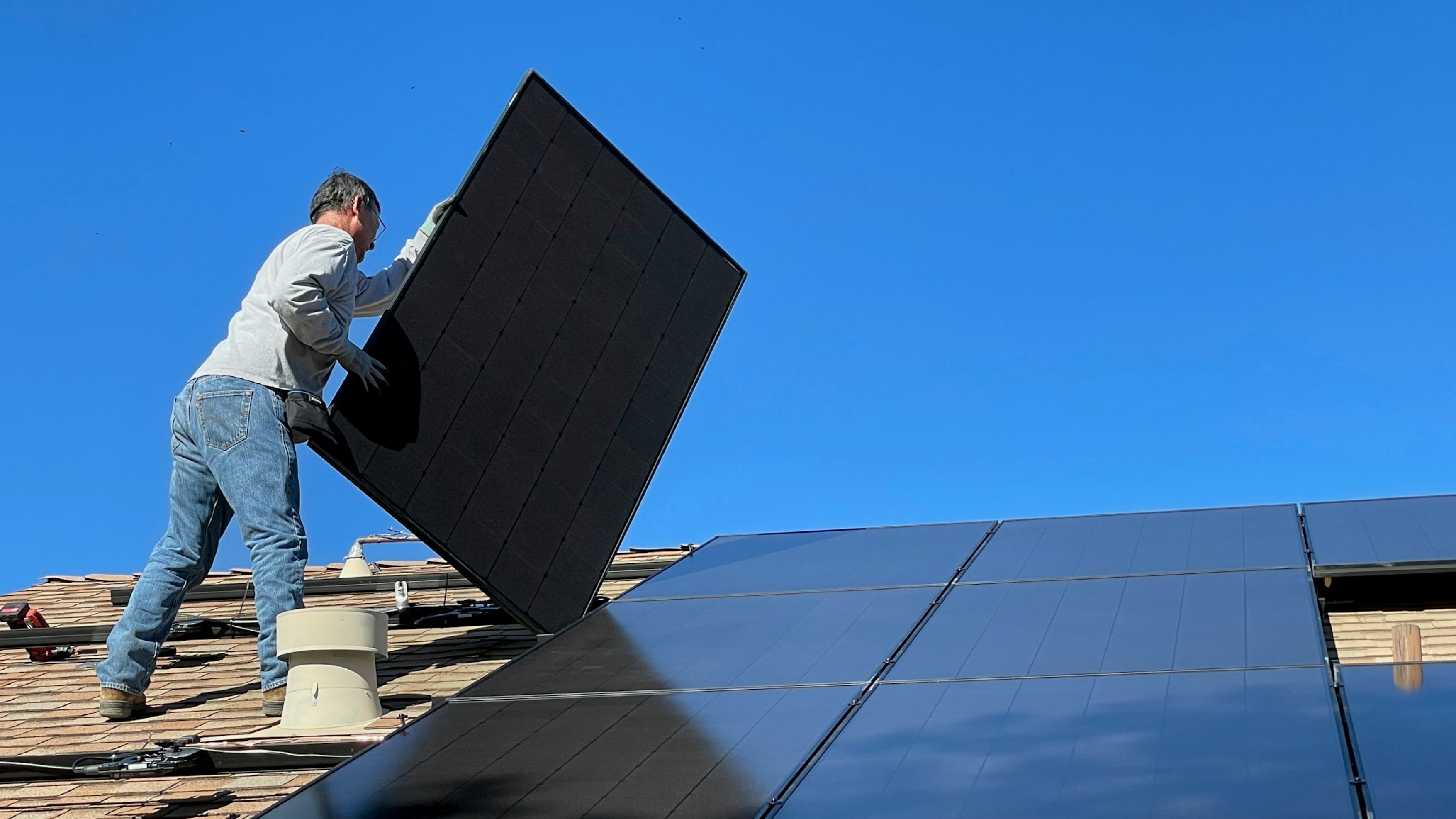
Plug-in solar panels, also known as balcony solar systems, are emerging as a convenient alternative to traditional rooftop installations. These compact units can be easily mounted on balconies, windows, or fences, and plug directly into standard household outlets, offering a straightforward way for homeowners and renters to harness solar energy. The appeal is clear: reduced electricity bills and a smaller carbon footprint without the need for professional installation. However, this simplicity raises significant safety concerns. Unlike traditional solar panels, which are hardwired into a home's electrical system, plug-in systems introduce electricity directly into standard outlets. This setup can lead to potential hazards such as circuit overloads and backfeeding, where electricity flows back into the grid during an outage, posing risks to utility workers. The National Electrical Code (NEC) was not designed with this bidirectional power flow in mind, leading to potential safety issues. (linksolar.net) To address these concerns, safety standards like UL 3700 have been developed. This certification ensures that plug-in solar systems include features like automatic power cut-off, grid outage protection, and overload safeguards. These measures aim to mitigate risks associated with backfeeding and circuit overloads, enhancing the safety of these systems. (solar.com) Despite these advancements, the adoption of plug-in solar panels has been met with resistance from utility companies. They argue that these systems could disrupt the traditional energy market by reducing demand for grid electricity. Some utilities have lobbied for regulations that would delay or restrict the use of plug-in solar panels, citing safety and reliability concerns. (opb.org) In response, several states are considering legislation to facilitate the use of plug-in solar systems. These legislative efforts aim to streamline the approval process and remove barriers to adoption, recognizing the potential benefits of increased solar energy usage among consumers. (wri.org) In conclusion, plug-in solar panels offer an accessible and cost-effective way for individuals to engage with renewable energy. While they present certain safety challenges, ongoing developments in safety standards and supportive legislation are paving the way for their broader acceptance. As the technology matures and regulatory landscapes evolve, plug-in solar systems could become a common feature in homes across the country, contributing to a more sustainable energy future.
 🔬 science
Plug-In Solar: A Bright Idea or a Shocking Risk?
Plug-in solar panels promise easy energy savings, but are they safe? Let's plug into the facts.
My Take
Plug-in solar panels are a game-changer for energy independence, but they come with a jolt of caution. The convenience of plugging into a standard outlet is enticing, but we must ensure that safety isn't short-circuited in the process. It's crucial to balance innovation with responsibility, ensuring that these systems are both accessible and secure for consumers. The pushback from utility companies is understandable—they're facing a new competitor in the energy market. However, rather than resisting change, they should embrace it by adapting their business models to incorporate renewable energy sources. Collaboration between utilities, regulators, and consumers will be key to integrating plug-in solar panels safely and effectively into our energy landscape.
What Happens Next
As plug-in solar panels gain traction, expect a surge in consumer interest, especially among renters and apartment dwellers seeking renewable energy options. This demand will likely accelerate legislative efforts to streamline regulations and promote adoption. Utilities, facing declining demand, may pivot by offering complementary services like solar panel installations or energy storage solutions to maintain their market position. The success of plug-in solar will depend on effective collaboration between stakeholders to ensure safety, reliability, and equitable access to renewable energy.
What History Tells Us
The rise of plug-in solar panels echoes the early days of home solar adoption, where safety and regulatory hurdles were significant. Over time, as standards evolved and adoption increased, these challenges were addressed, leading to widespread acceptance. Similarly, plug-in solar panels are navigating a path toward mainstream adoption, with ongoing efforts to resolve safety and regulatory concerns.
Market Impact
The introduction of plug-in solar panels could disrupt the traditional energy market by reducing consumer reliance on grid electricity. Companies like Enphase Energy Inc (ENPH) and First Solar Inc (FSLR) may face increased competition as consumers seek more accessible and cost-effective solar solutions. Conversely, utility companies like NextEra Energy Inc (NEE) might need to adapt their business models to incorporate renewable energy sources, potentially leading to new revenue streams from solar services and infrastructure.