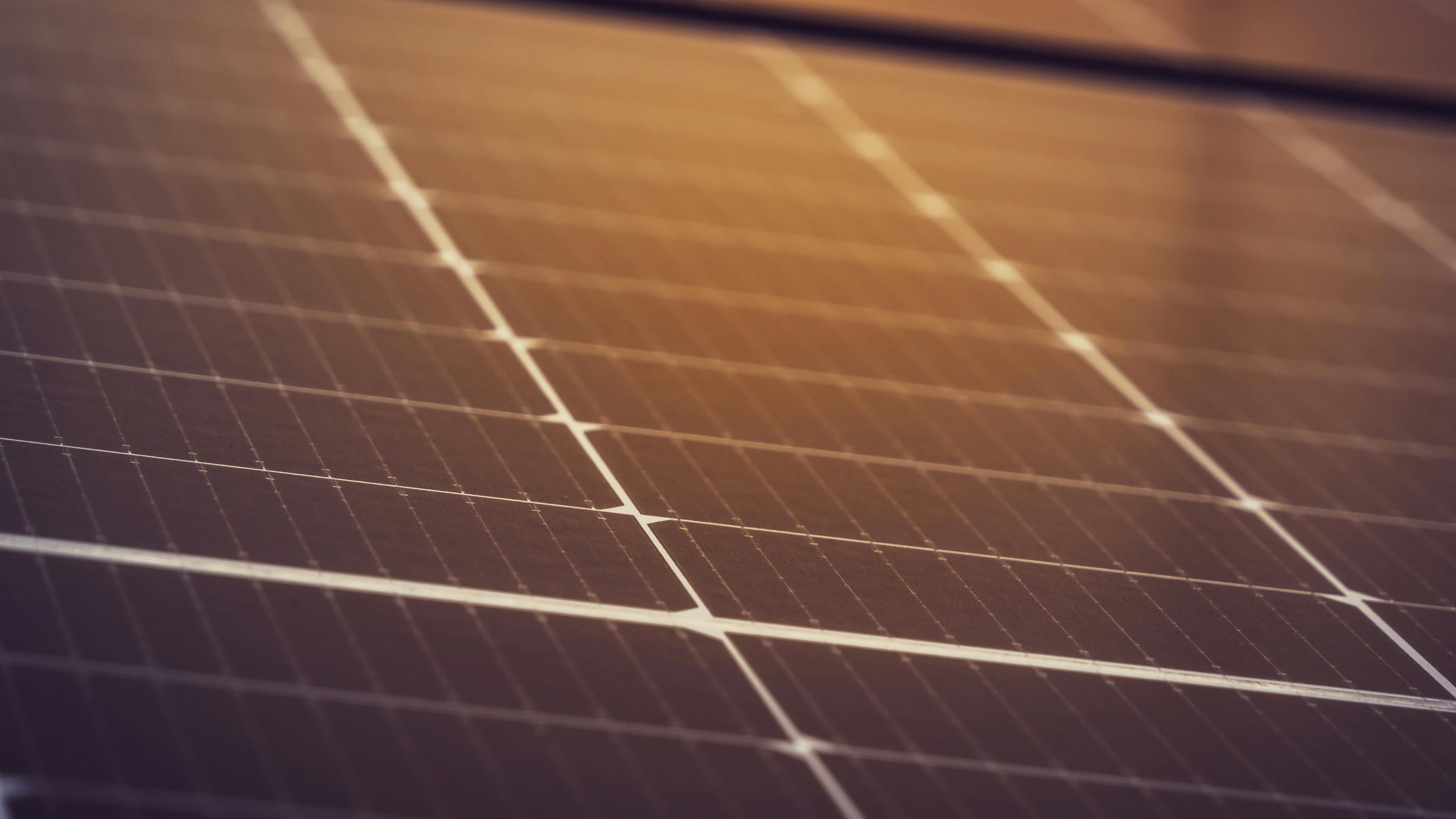
In March 2026, the UK government announced plans to make plug-in solar panels available in retail outlets within months. These compact systems, which can be installed on balconies or external walls and connected directly to household sockets, offer a more accessible option for households that cannot install traditional rooftop solar panels. Retailers like Lidl and Amazon, alongside manufacturers such as EcoFlow, are collaborating with the government to bring these products to market. The move is part of a broader strategy to enhance national energy security and reduce reliance on fossil fuels. Plug-in solar panels have been widely used in Europe, particularly in Germany, where approximately 4 million units were in use by 2025. In the UK, a typical 800W plug-in solar system is expected to generate around 150-350 kilowatt-hours (kWh) annually, depending on installation factors like orientation and shading. This could contribute about 5-12% of a household's annual electricity consumption, providing some relief on energy bills. To maximize the benefits of solar energy, households need to consider their electricity usage patterns. Solar panels generate electricity during the day, but most households consume more energy in the evening. Therefore, much of the solar energy produced may go unused if the home is unoccupied during the day. One solution is to shift electricity use to the daytime when solar power is available, such as running appliances or charging devices during these hours. Another option is to use battery storage systems. Smaller plug-in batteries, typically around 1 - 2kWh and costing £500 - £1,500, can store excess electricity for later use. However, due to the relatively small amount of energy generated by plug-in solar panels, the financial return on the battery is often limited, with payback periods of seven to ten years. Daily savings can be estimated based on the difference between off-peak and peak electricity prices. In the UK, standard electricity prices are around 24 - 30p/kWh. This price difference means a small battery shifting around 1 - 2kWh per day could save roughly 25p - 45p per day, equivalent to around £90 - £160 per year. However, actual savings depend on usage patterns and seasonal variation. A different approach is to combine battery storage with smart time-of-use tariffs. This technology, already established in the UK, allows batteries to be charged with cheaper off-peak electricity overnight from the grid and discharged during expensive peak periods. One example already available is the EcoFlow Stream Ultra battery. A single unit can supply 250W - 300W for appliances including fridges, routers, and standby devices. It can discharge the power for approximately six to eight hours. In the future, a battery like this could potentially be charged from a solar panel. To understand how this works in practice, consider a small battery of around 1.9kWh, costing approximately £1,500. If it is used only to store surplus solar energy from a balcony system, the financial return is relatively modest and will vary by season, with strong summer performance and lower winter output. However, the savings change when the same system is used along with a smart time-of-use tariff. Instead of relying only on solar power, the battery can be charged overnight using cheaper electricity from the grid (typically 7 - 9p/kWh) and then used during the day when electricity is more expensive (often 30 - 35p/kWh). Typically, off-peak charges apply between midnight and 5am-6am. This can lead to daily savings, usually around 25p - 45p (up to around £1-£1.50 per day for larger batteries of around 5kWh), depending on usage and price differences. When these steady savings are combined with seasonal solar generation, total savings could reach £200-£300 per year. This means the overall system could pay for itself in around five to six years. And for the larger battery systems, savings could be higher, reaching around £500 - £650 per year. Overall, solar will work best as part of a wider shift in households rethinking when and how to use energy. For those dreaming of going completely off-grid, it's a complex and costly endeavor. Achieving total independence from traditional energy providers requires significant investments in solar array installations, high-capacity batteries, and sometimes alternative energy sources like wind. It also necessitates substantial changes to lifestyle, consumption habits, and a preparedness to handle potential energy shortages, especially during gloomy winter months when solar output drops considerably. While possible, it's a demanding leap that requires careful planning and financial commitment, far beyond simply plugging in a solar panel.
 📈 business
Plug-In Solar Panels: UK's Game-Changer for Energy Bills
The UK government is set to introduce plug-in solar panels, aiming to revolutionize household energy consumption and reduce electricity costs.
My Take
The introduction of plug-in solar panels in the UK is a game-changer for household energy consumption. By making solar energy more accessible and affordable, the government is empowering consumers to take control of their energy bills and contribute to a more sustainable future. However, to truly reap the benefits, households must be proactive in adjusting their energy usage patterns and consider integrating battery storage solutions. This proactive approach will ensure that the shift towards renewable energy is both effective and economically advantageous. The government's initiative also signals a broader commitment to energy security and independence. By reducing reliance on fossil fuels and promoting clean energy solutions, the UK is setting a precedent for other nations to follow. The success of this program could pave the way for similar initiatives globally, accelerating the transition to renewable energy sources and mitigating the impacts of climate change.
What Happens Next
In the coming months, plug-in solar panels are expected to become available in UK retail outlets, with prices starting around £400. Households interested in adopting this technology should monitor announcements from retailers like Lidl and Amazon, as well as manufacturers such as EcoFlow, for product availability and purchasing options. Additionally, consumers should stay informed about updates to UK electrical regulations and safety standards to ensure compliance and optimal performance of their solar systems.
What History Tells Us
The UK's move towards plug-in solar panels mirrors similar initiatives in Europe, particularly in Germany, where such systems have been widely adopted. This historical context underscores the feasibility and potential success of integrating plug-in solar technology into the UK's energy landscape.
Market Impact
The introduction of plug-in solar panels is expected to stimulate growth in the renewable energy sector, particularly in solar technology. Companies involved in manufacturing and retailing these products, such as EcoFlow, Lidl, and Amazon, may see increased demand and sales. Additionally, the broader market may experience a shift towards more sustainable energy solutions, influencing investment trends and consumer behavior.