The escalating conflict between the United States and Iran has become a battleground for ideological and political clashes, notably between President Donald Trump and Pope Leo XIV. The U.S.-Israeli military actions in Iran have drawn sharp criticism from the pontiff, who has consistently called for peace and condemned the use of religion to justify warfare. Religion has long been a catalyst for both conflict and resolution throughout history, underlining the complexities inherent in global politics. In a recent peace vigil at St. Peter's Basilica, Pope Leo XIV stated, 'Enough with war! True strength is manifested in serving life,' emphasizing his stance against the conflict. President Trump, known for his combative rhetoric, responded vehemently to the pope's remarks. On April 12, 2026, he took to social media, labeling Pope Leo XIV as 'weak on crime' and 'terrible for foreign policy,' while accusing the pontiff of aligning with the 'Radical Left.' This attack intensified the existing tensions between the two figures, highlighting the deepening divide over the Iran conflict. Pope Leo XIV, the first U.S.-born pope, has been vocal in his criticism of the war, urging a return to negotiations and condemning threats against Iran as 'unacceptable.' Despite the president's attacks, the pontiff has remained steadfast, stating he has 'no fear' of the Trump administration and will continue to preach the message of peace. The clash between the president and the pope underscores the broader ideological battle over the Iran conflict. While Trump advocates for a more aggressive stance, Pope Leo XIV represents a faction that calls for diplomacy and peace. This confrontation also highlights the influence of religious leaders in global politics and the challenges they face when their moral authority conflicts with political agendas. The implications of this dispute are multifaceted. For one, it may influence public opinion, especially among Catholic voters who are a significant demographic in the United States. Additionally, the tension could affect international relations, particularly with countries that view the pope's stance as a moral compass. The ongoing war in Iran continues to be a contentious issue, with global leaders and institutions divided over the best course of action. In the United States, the conflict has sparked debates about the role of religion in politics and the extent to which religious leaders should engage in political discourse. The pope's criticism of the war challenges the narrative of divine sanction often used to justify military actions, prompting discussions about the ethical considerations of such conflicts. As the situation in Iran evolves, the standoff between President Trump and Pope Leo XIV may serve as a microcosm of the larger global debate over the use of force, the pursuit of peace, and the moral responsibilities of leaders on the world stage.
 🏛️ politics
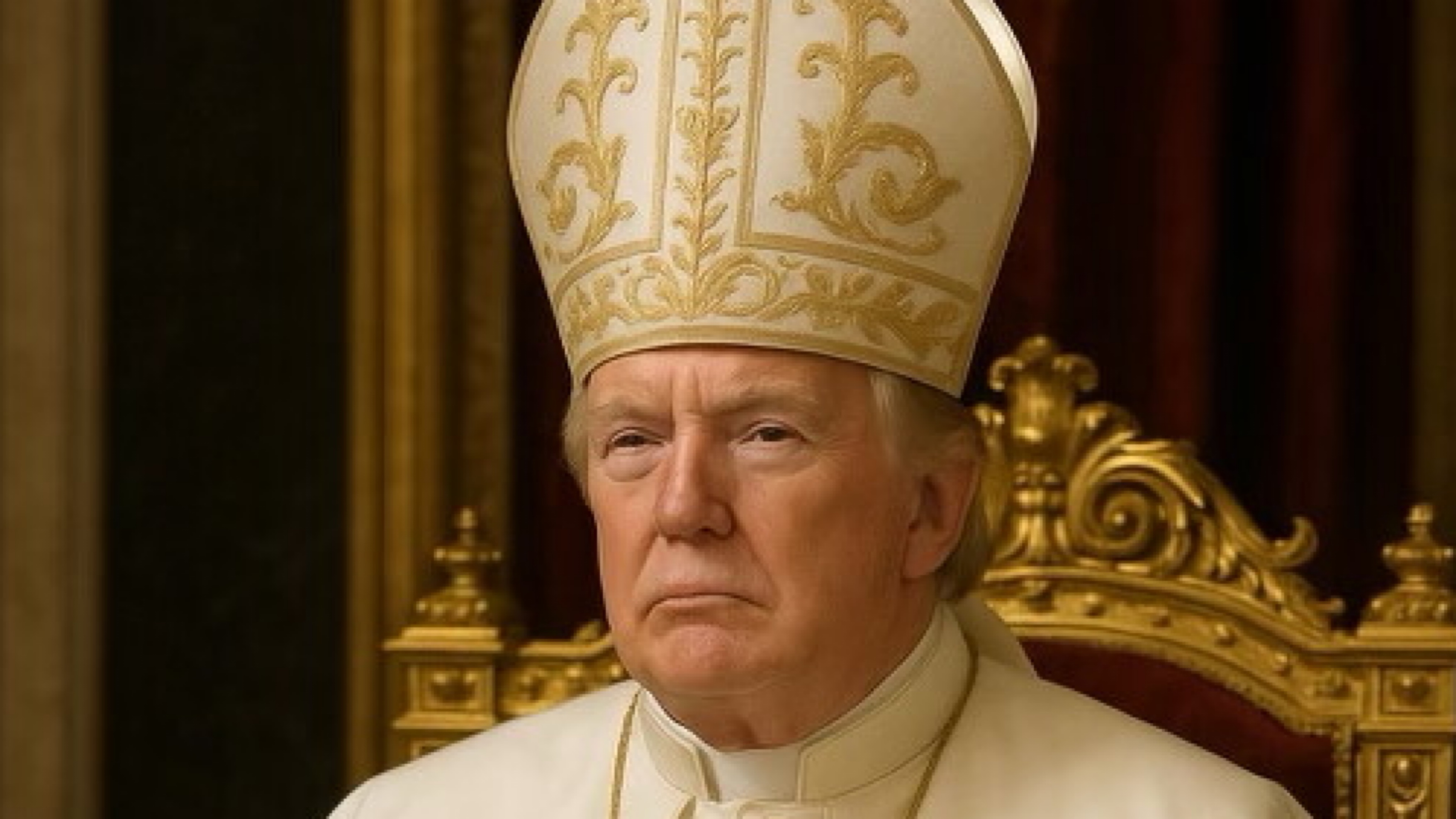
Pope Leo XIV and Trump Clash Over Iran Conflict
Pope Leo XIV and President Donald Trump are locked in a heated dispute over the U.S.-Israeli war in Iran, with the pontiff advocating for peace and the president accusing him of being 'weak on crime.'
My Take
The escalating feud between President Trump and Pope Leo XIV over the Iran conflict is a stark reminder of the complexities inherent in global politics. Trump's aggressive foreign policy approach clashes with the pope's call for peace, highlighting the challenges of reconciling national interests with moral imperatives. This confrontation also underscores the evolving role of religious leaders in political discourse, especially when their ethical positions challenge prevailing governmental policies. The president's attacks on the pope not only reflect a personal animosity but also signal a broader ideological divide within the United States. The use of religion to justify military action has been a contentious issue, and the pope's condemnation serves as a counter-narrative to the administration's stance. This dynamic raises important questions about the separation of church and state and the influence of religious figures in shaping public policy. Looking ahead, the resolution of this dispute will likely depend on the evolving political landscape and the international community's response to the Iran conflict. The pope's unwavering commitment to peace may inspire similar calls from other religious and political leaders, potentially leading to a shift in global attitudes toward the use of force and the pursuit of diplomatic solutions.
What Happens Next
The ongoing tension between President Trump and Pope Leo XIV is poised to escalate further, with potential ramifications for U.S. domestic politics and international relations. The president's continued attacks on the pope may galvanize religious and peace advocacy groups, leading to public demonstrations and increased calls for diplomatic resolutions in the Iran conflict. This could influence the administration's approach, especially if public opinion shifts toward favoring peace over military action. Internationally, the pope's stance may inspire other religious leaders and institutions to voice their opposition to the war, potentially leading to a unified front advocating for peace. This could pressure global leaders to reconsider their positions and seek alternative solutions to the conflict. The Vatican's influence, combined with global public sentiment, may play a pivotal role in shaping the future of the Iran conflict. In the United States, the dispute may impact the upcoming elections, with candidates aligning themselves with either the president's or the pope's position. This could affect voter turnout and influence the political discourse surrounding foreign policy and the role of religion in governance. The outcome of this standoff will depend on the interplay between political power, religious authority, and public opinion, with the potential to reshape the narrative of the Iran conflict.
What History Tells Us
The current dispute between President Trump and Pope Leo XIV over the Iran conflict echoes historical tensions between political leaders and religious authorities. Similar confrontations have occurred when religious figures have challenged governmental policies, particularly in matters of war and peace. For instance, during the Vietnam War, religious leaders like Martin Luther King Jr. spoke out against the conflict, leading to significant public discourse and policy debates. These historical precedents highlight the enduring struggle between moral authority and political power, emphasizing the complex dynamics that arise when religious leaders engage in political critique.
Market Impact
The escalating tensions between President Trump and Pope Leo XIV over the Iran conflict are likely to have significant implications for global markets. Investors may view the discord as a signal of increased geopolitical instability, potentially leading to market volatility. Sectors sensitive to international relations, such as defense and energy, could experience fluctuations based on perceptions of conflict escalation or de-escalation. For instance, companies involved in defense contracting may see stock price movements in response to the administration's foreign policy decisions. Similarly, energy markets could be affected by shifts in U.S. policy toward Iran, influencing oil prices and related industries. Investors will closely monitor the situation, assessing the potential for diplomatic resolutions or further military actions, which will, in turn, impact market dynamics. Overall, the market's response will be shaped by the evolving political landscape and the perceived risks associated with the Iran conflict, with investors seeking to navigate the uncertainties arising from this high-profile dispute.