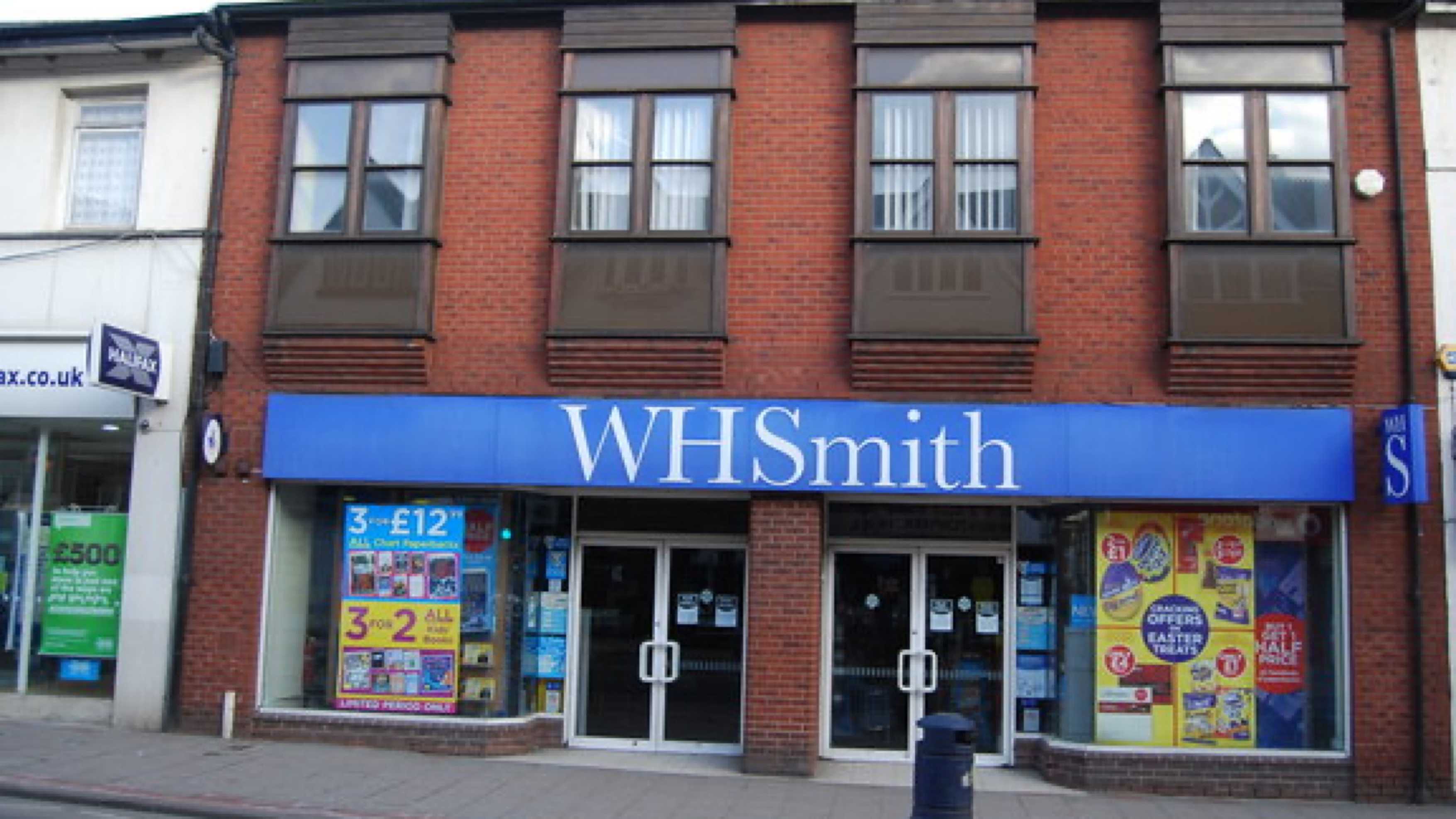
Modella Capital acquired WHSmith's high street operation in 2024, spinning off the struggling bricks-and-mortar stores from the more profitable travel retail arm that operates in airports and train stations. The deal was pitched as a rescue mission: rebrand as TGJones, inject fresh capital, modernize operations, and compete with the likes of Waterstones and independent bookshops. Instead, Modella is now launching what it euphemistically calls a "deep restructuring"-private equity code for mass closures and job cuts. Up to 150 stores are expected to shutter, roughly half the estate the firm inherited. The speed of the collapse is staggering. WHSmith itself had struggled for years as online retail gutted demand for magazines, books, and stationery. But Modella's gamble was that a focused high street operator, stripped of corporate bloat and armed with private equity cash, could carve out a niche. That bet has failed spectacularly. Industry insiders point to rising rents, collapsing foot traffic in secondary towns, and brutal competition from Amazon and supermarket chains selling the same products at lower margins. TGJones was always a turnaround play, but the turnaround never materialized. The human cost will be severe. Each store typically employs between 10 and 20 staff, meaning 1,500 to 3,000 jobs are at immediate risk. Many of these roles are part-time positions held by women, students, and older workers who rely on flexible retail shifts. Union representatives have already warned that redundancy consultations will be rushed, severance packages minimal, and redeployment opportunities virtually nonexistent. This is not a managed decline-it's a fire sale. Modella Capital's playbook is familiar to anyone who follows private equity in retail. Buy distressed assets cheap, load them with debt, extract management fees, and if the business can't service the debt or return quick profits, strip it for parts. The firm has been silent on whether it will inject further capital or simply wind down the remaining estate. What's clear is that Modella never had a genuine retail strategy-it had a financial engineering strategy that assumed the market would cooperate. The market did not cooperate. Broader retail trends compound the misery. UK high streets have lost more than 17,000 chain stores since 2018, according to PwC data. The pandemic accelerated the shift to online shopping, and hybrid working has gutted weekday footfall in town centers. TGJones was trying to sell books, greeting cards, and stationery in an environment where consumers either buy those items online or don't buy them at all. The brand never gained traction, the marketing was half-hearted, and customer loyalty remained with the old WHSmith brand-which itself was fading fast.
 📈 business
Private Equity's High Street Disaster: 150 Stores Axed
Less than a year after buying WHSmith's high street chain, rebranding it TGJones, and promising a new era, private equity firm Modella Capital is closing up to 150 stores. It's a masterclass in how financial engineering collides with retail reality-and thousands of jobs are on the chopping block.
My Take
Private equity's obsession with retail is baffling. Time and again, financial firms with zero operational retail experience buy struggling chains, promise turnarounds, and then act shocked when consumers don't show up just because you changed the logo and refinanced the debt. Modella Capital had no business owning a high street retailer. They saw an asset they could buy cheap, not a business they could run well. The result? Another thousand-plus people thrown onto the job market, another hundred empty storefronts scarring British town centers, and another tick in the "private equity destroys value" column. The most galling part is how predictable this was. WHSmith offloaded its high street stores precisely because they were losing money and had no obvious path to profitability. Modella swooped in, presumably believing their financial wizardry could conjure profits where operational expertise had failed. It couldn't. And now local communities lose yet another retailer, however mediocre TGJones might have been, because a London investment firm made a bad bet with other people's money and other people's livelihoods. The UK government needs to seriously examine private equity's role in retail collapses. These aren't market failures-they're leveraged buyout failures. The model is broken, the incentives are perverse, and the social costs are mounting. Maybe it's time to regulate how much debt can be loaded onto acquired businesses, or require genuine operational plans beyond "cut costs and hope." Because right now, private equity in retail is just asset-stripping with extra steps.
What Happens Next
Administrators will circle within weeks if Modella doesn't inject emergency capital, which seems increasingly unlikely given the firm's silence. Expect a phased closure plan starting with the worst-performing stores-likely those in smaller market towns where rent-to-revenue ratios are most punishing. Landlords will scramble to find replacement tenants, but empty retail units will proliferate because there simply aren't enough viable retailers left to fill the space. Some sites will convert to charity shops or discount stores; others will stay dark for years. The more intriguing scenario is whether any competitor tries to cherry-pick the better TGJones locations. Waterstones could expand its footprint, though it's been cautious about overextension. The Works, the budget stationery and book chain, might snap up leases in secondary towns where it already has a presence. But the smart money says most of these stores just close permanently. The economics don't work, and no amount of brand repositioning will change that fundamental reality. Longer term, this becomes a case study in private equity's retail failures, cited whenever the next distressed chain hits the market. Modella will quietly wind down its involvement, take the loss, and move on to the next deal. The workers won't be so lucky. And British high streets will have another 150 fewer reasons for anyone to visit.
What History Tells Us
This echoes the collapse of Woolworths in 2008-2009, when private equity ownership and unsustainable debt loads combined with the financial crisis to kill a 99-year-old retailer. Woolworths closed 807 stores and shed 27,000 jobs, leaving gaping holes in high streets across Britain. The parallels are striking: both involved legacy retailers struggling to adapt to changing consumer habits, both were saddled with debt by financial owners, and both collapsed far faster than anyone expected. The lesson from Woolworths was that no brand is too big or too familiar to fail-and that private equity turnarounds in retail almost never work. Fifteen years later, we're relearning that lesson with TGJones, just on a smaller scale.